
For some dog owners, the word “crate” immediately brings up an uncomfortable image: a dog locked behind a door with nowhere to go.
But when crate training is introduced properly, the reality can be completely different.
A crate doesn’t have to be a punishment or a place where a dog is simply confined.
For many dogs, it can become something much more comforting — a quiet little space where they can sleep, relax and escape when the world around them becomes overwhelming.
And that’s one reason trainers, veterinarians and experienced dog owners often consider crate training an important part of raising a well-adjusted dog.
Dogs Naturally Appreciate Cozy Spaces
Think about what many dogs do when they want some peace and quiet.
They crawl underneath a table.
They squeeze behind furniture.
They curl up in a corner.
They look for somewhere that feels protected.
A crate can provide exactly that kind of environment.
Instead of having an entire house to monitor, an anxious or uncertain dog can have one small area that belongs entirely to them. That can make it easier for some dogs to settle down and relax.
For puppies, a crate can also become a valuable part of house training.
Since dogs generally prefer not to soil their sleeping area, a properly managed crate can help puppies learn bladder and bowel control while their owners gradually give them more freedom around the home.
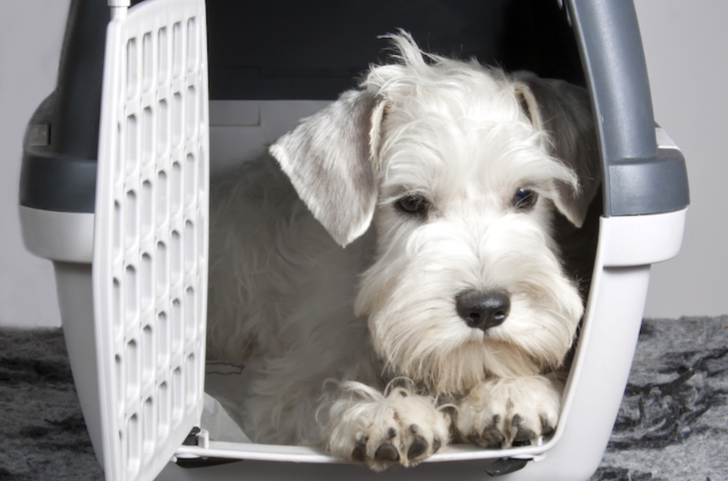
It Can Make Everyday Life Less Stressful
Life isn’t always quiet.
There are thunderstorms. Fireworks. Vacuum cleaners. Construction noise. Guests arriving at the door. Children running around. New pets. New babies.
For a dog that finds these situations overwhelming, having a familiar place to retreat can make a huge difference.
Instead of desperately searching for somewhere to hide, a crate-trained dog can learn that their crate is a predictable, comfortable refuge.
That sense of familiarity can be particularly valuable for nervous dogs or dogs adjusting to changes in their environment.
And there’s another benefit many owners don’t think about until they desperately need it.
You Never Know When You’ll Need One
Imagine a sudden emergency.
Your family needs to evacuate quickly. There’s no time to coax a frightened dog into a crate for the first time. If your dog already understands that the crate is a safe place, getting them secured and moving can be much easier.
A crate can also help prevent a dog from running away or becoming injured during a chaotic evacuation.
And in some emergency or temporary shelter situations, dogs may need to be comfortable staying in a crate if they are going to remain with their families.
That’s why teaching a dog to calmly enter and relax in a crate isn’t just about convenience.
It’s preparation for situations you hope will never happen.
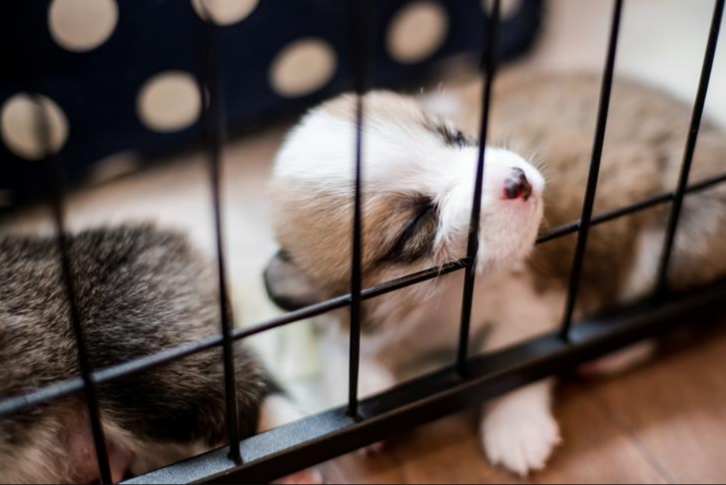
Older Dogs Can Benefit, Too
Crate training isn’t something that only matters during puppyhood.
Senior dogs can benefit from having a familiar resting area, especially when they need more sleep or are dealing with age-related challenges.
A crate can provide a comfortable place for an older dog to rest away from energetic children or younger pets. It can also make transportation to veterinary appointments easier when the dog is already accustomed to traveling in one.
The earlier a dog learns that a crate is a positive place, the less likely they are to experience unnecessary stress if they eventually need to spend time there because of illness, injury or recovery.
Rescue Dogs May Need That Safe Space Most Of All
For a newly rescued dog, everything can feel unfamiliar.
New people. New smells. New sounds. New surroundings.
Some rescued dogs need time before they feel comfortable enough to explore their new home. A crate can give them a small territory where they don’t have to worry about being disturbed.
Instead of expecting a frightened dog to immediately adapt to an entire household, owners can give them somewhere predictable to decompress.
For dogs with difficult pasts, that sense of security can be especially meaningful.
The Secret Is Making The Crate A Positive Place
The biggest mistake is treating the crate like punishment.
The goal is for your dog to think, “This is my place,” not, “I’ve been sent here because I’m in trouble.”
That means introducing the crate gradually and positively. Food, treats and calm experiences can help create positive associations. And dogs should never be left in a crate all day simply because they’re trained to tolerate it. Their age, training, daily routine and individual needs all matter.
Done correctly, crate training isn’t about taking away a dog’s freedom.
It’s about giving them somewhere they can choose to feel safe.
And sometimes, that little space behind a crate door can become one of the most comforting places in the entire house.



Clean design and very straightforward. I didn’t have to spend any time figuring out how things work. br45t is definitely a top-tier choice.