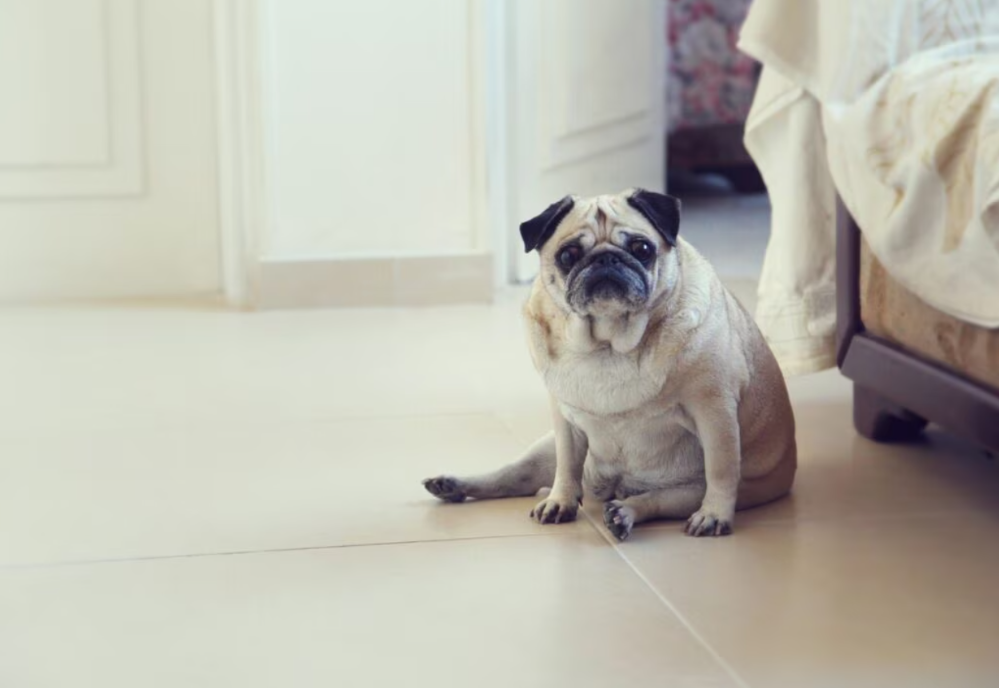
A few extra pounds might not seem like a big deal when you’re looking at your dog.
Maybe their belly looks a little rounder. Their collar seems slightly tighter. Or perhaps they’ve become more interested in napping than chasing a ball around the yard.
It can be tempting to laugh it off as your dog simply getting older or enjoying a few too many treats.
But excess weight isn’t just a cosmetic concern.
For dogs, carrying too much body fat can affect their overall health, mobility, energy, and quality of life. In fact, obesity is common among dogs, and the consequences can reach far beyond what you see on the scale.
The good news? Recognizing the problem early can make a meaningful difference.
How Much Is Too Much?
A dog is generally considered overweight when they’re at least 10% above their ideal body weight and obese when they’re around 20% or more above it. But simply stepping on a scale doesn’t always tell the whole story.
Veterinarians often use something called a body condition score to determine whether a dog is carrying an appropriate amount of body fat.
One simple thing pet parents can watch for is their dog’s shape.
When viewed from above, a healthy-weight dog should generally have a noticeable waist. You should also be able to feel the dog’s ribs without having to press through a thick layer of fat.
If your dog’s body has become more rounded and that natural waist has disappeared, it may be time for a closer look.
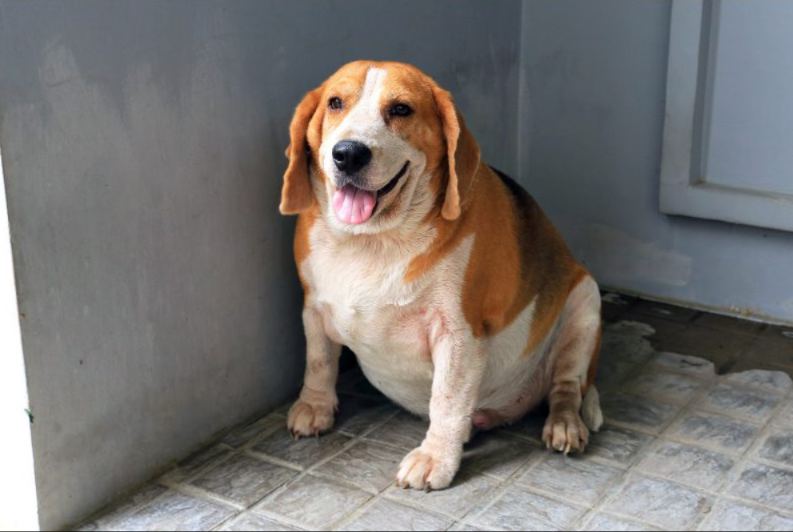
Watch for These Warning Signs
Weight gain doesn’t always happen overnight.
Sometimes, it happens so gradually that pet parents don’t notice until their dog’s body has changed significantly.
Some clues include:
- Less energy than usual
- Getting tired more quickly during walks
- Difficulty keeping up during play
- A collar or harness becoming tighter
- Trouble feeling the ribs
- A noticeable loss of the natural waistline
- Increased panting or difficulty tolerating exercise
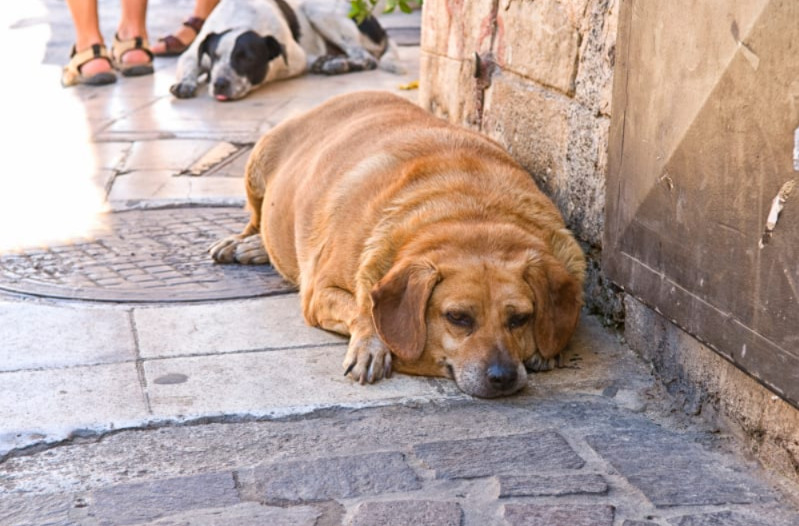
A dog who used to happily race around the yard but now wants to stop after a short walk may be carrying more weight than is healthy.
Why Those Extra Pounds Matter
Extra weight places additional stress on a dog’s body.
One of the most obvious problems is the impact on the joints. Excess weight can contribute to arthritis and make movement more difficult.
Obesity is also associated with conditions including pancreatitis, kidney disease, cardiovascular problems, breathing difficulties, impaired insulin response, and reduced ability to tolerate exercise and heat.
And there’s another problem: once a dog becomes less comfortable moving, they may exercise less.
Less exercise can lead to additional weight gain.
That can create a frustrating cycle that’s difficult to break.
What Causes Dogs to Gain Weight?
Sometimes, the explanation seems obvious: too much food and not enough exercise.
But it’s not always that simple.
Extra calories can come from regular meals, treats, table scraps, human food, or simply portions that are larger than the dog actually needs. A sedentary lifestyle can add to the problem as well.
Certain medical conditions can also contribute to weight gain. Hypothyroidism and Cushing’s disease, for example, can play a role.
Some breeds also have a greater tendency toward obesity, including Labrador Retrievers, Golden Retrievers, Beagles, Dachshunds, Cocker Spaniels, Boxers, and Pugs.
That’s why unexplained or sudden weight gain deserves a conversation with your veterinarian.
Helping Your Dog Get Back on Track
If your dog needs to lose weight, don’t suddenly slash their food or push them into intense exercise.
A veterinarian can help determine your dog’s ideal weight and create a safe weight-loss plan based on their age, breed, current condition, and any underlying health problems.
Exercise is usually part of the solution, but it should be increased gradually, particularly for dogs who are significantly overweight or already have mobility problems.
Short walks can be a good starting point. As fitness improves, activities such as playing fetch, swimming, or other appropriate forms of exercise can gradually be incorporated.
Food matters just as much.
Measuring meals rather than simply filling a bowl can help control calorie intake. Treats and table scraps may also need to be reduced.
Your veterinarian may recommend adjusting the amount of your dog’s current food or switching to a diet specifically designed for weight management.
The goal isn’t simply to make the number on the scale smaller. It’s to help your dog lose excess body fat while maintaining healthy lean tissue.
A Little Less Food, A Lot More Life
It’s easy to equate treats with love.
That extra biscuit feels harmless. Sharing a bite from your dinner feels like a special moment. And when those puppy-dog eyes appear, saying no can be surprisingly difficult.
But love isn’t measured in treats.
Sometimes, the greatest gift you can give your dog is helping them maintain a healthy weight so they can keep walking, playing, exploring, and enjoying life with you for as long as possible.
If you’ve noticed that your dog’s waist has disappeared, their energy has dropped, or their body seems heavier than it used to be, don’t ignore it.
A healthier future can start with something as simple as a conversation with your veterinarian—and one small change at a time.

I love how straightforward the login and deposit system is. No unnecessary stress, just pure gaming. ck4444betlogin is my go-to now.