
You don’t have to see a flea to have a flea problem.
And that’s what makes these tiny parasites so frustrating.
One day, your dog seems perfectly fine.
The next?
He’s scratching.
Chewing at his legs.
Licking his skin.
Maybe you notice a few red spots.
Maybe you find tiny brown specks hiding in his fur.
Or maybe you don’t see anything at all.
But somewhere nearby, fleas or ticks could already be waiting.
And the consequences can go far beyond a little itching.
Fleas And Ticks Are More Than A Nuisance
Fleas and ticks survive by feeding on your dog’s blood.
That alone can create problems.
Flea bites can trigger intense itching, allergic reactions, skin inflammation, infections, and, in heavier infestations, anemia.
Ticks can be even more concerning because they can transmit diseases and cause other health complications.
Dogs can be exposed to illnesses including Lyme disease, anaplasmosis, Rocky Mountain spotted fever, babesiosis, and others.
And here’s the part many dog owners don’t realize:
Your dog doesn’t have to spend every day hiking through the woods to encounter them.
Fleas can get inside your home.
They can be carried in by other animals.
They can survive in carpets and bedding.
They can even hitch a ride into your house on people, clothing, or other pets.
Ticks, meanwhile, can be waiting in tall grass, wooded areas, leaf piles, parks, and even your own backyard.
So staying indoors doesn’t create a flea-and-tick force field around your dog.
Don’t Wait Until Summer
Many owners think of fleas and ticks as a warm-weather problem.
That’s understandable.
But fleas don’t exactly follow the calendar.
They can survive indoors throughout the year.
Ticks can also remain active during cooler periods when temperatures are suitable.
That’s why PetMD recommends year-round flea and tick prevention rather than stopping treatment when summer ends.
In other words:
Winter isn’t necessarily a free pass.
There Isn’t One Perfect Solution For Every Dog
This is where things get important.
Flea and tick prevention isn’t one-size-fits-all.
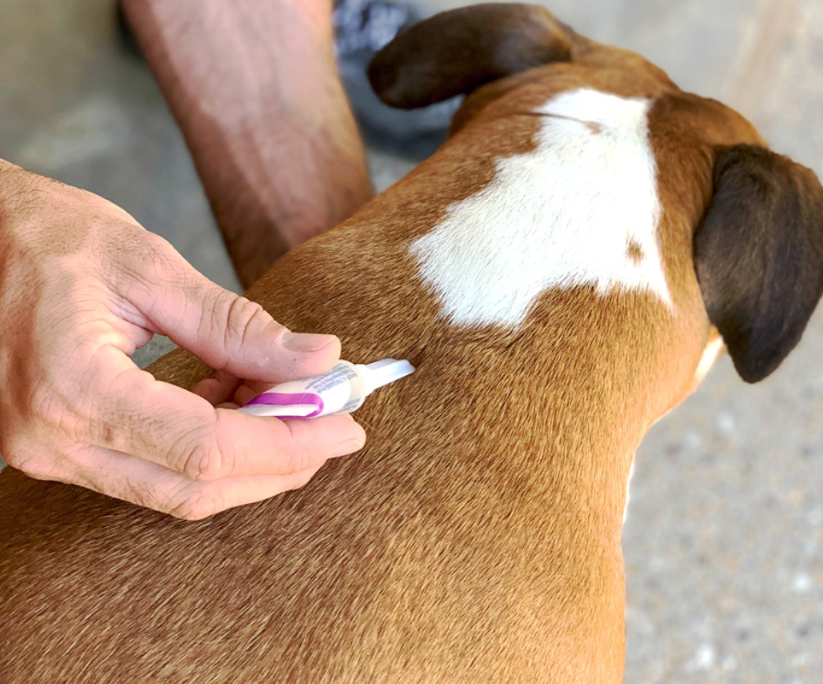
There are several types of preventives, including oral medications, topical treatments, and collars.
Some products target fleas and ticks.
Others provide protection against additional parasites.
Oral preventives may be given monthly or at longer intervals depending on the specific product.
Topical treatments are generally applied directly to the skin and often provide protection for about a month, although some last longer.
Flea and tick collars release active ingredients over time, with certain products designed to provide protection for several months.
The right choice depends on your dog.
Age matters.
Weight matters.
Lifestyle matters.
Health history matters.
And so does the parasite risk in your area.
That’s why choosing a product simply because it worked for your neighbor’s dog isn’t necessarily the best approach.
PetMD recommends checking with your veterinarian and carefully following the product label before starting a flea and tick preventive.
What If Your Dog Already Has Fleas?
Don’t panic.
But don’t ignore it, either.
Getting rid of an infestation usually requires more than treating the dog once.
A veterinarian-recommended flea treatment can help kill existing fleas and prevent the infestation from continuing.
A flea comb can help physically remove fleas and eggs.
Your veterinarian may also recommend other treatments depending on the situation.
But there’s another place you absolutely cannot forget:
Your house.
Flea eggs and immature fleas can remain in the environment.
That means your dog may be treated while the next generation is quietly waiting in the carpet.
Vacuum floors, furniture, and baseboards regularly.
Wash your dog’s bedding in hot water and dry it thoroughly.
And follow appropriate environmental treatment recommendations when necessary.
Check For Ticks After Outdoor Adventures
Ticks can be surprisingly easy to miss.
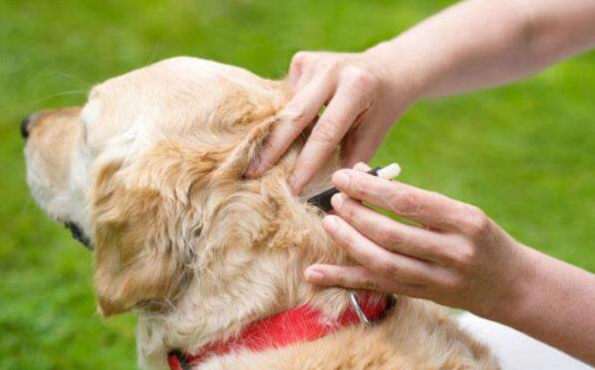
After your dog has been outside, run your hands carefully over his body and feel for unusual bumps.
Pay particular attention to areas such as the ears, between the toes, around the eyes, under the tail, and around the armpits and groin.
If you find a tick attached to your dog, remove it promptly.
Using tweezers, grasp the tick as close to the skin as possible and pull firmly outward without twisting or crushing it. A specialized tick-removal tool can also be used.
The Biggest Mistake Is Waiting
Missing doses.
Using the wrong dose.
Stopping prevention during winter.
Using a product intended for a different species.
Choosing something outside your dog’s age or weight range.
These seemingly small mistakes can leave your dog vulnerable.
And that’s the real lesson.
You don’t want to wait until your dog is covered in fleas.
You don’t want to discover a tick after your dog becomes sick.
And you don’t want an infestation spreading through your home before you realize what’s happening.
Prevention is much easier when it becomes part of your normal routine.
So check your dog’s protection schedule.
Check the label.
Check your dog after outdoor adventures.
And talk with your veterinarian about the option that’s appropriate for your dog’s specific needs.
Because when it comes to fleas and ticks, the best time to think about protection isn’t after the problem starts.
It’s before the first bite.




I’ve been playing here for a few weeks now and the payout speed is honestly impressive. Highly recommend vne888 for anyone looking for a reliable spot.