There’s something special about watching your dog explore the great outdoors.
Their nose is constantly working, their tail keeps wagging, and every new smell seems to lead to another exciting discovery.
For dogs, a hiking adventure can be so much more than an ordinary walk around the neighborhood. It’s an opportunity to explore new surroundings, enjoy fresh air, and spend quality time with the person they love most.
But before you grab the leash and head toward your favorite nature trail, there’s something every dog owner should remember.
A fun outdoor adventure can quickly become dangerous if you’re not properly prepared.
From unexpected weather changes to dehydration and unfamiliar wildlife, hiking comes with challenges that dogs may not be equipped to handle on their own.
Fortunately, a little preparation can make a tremendous difference.
Here are five important tips to help keep your four-legged hiking companion safe and happy on the trail.
1. Choose a Trail That’s Suitable for Your Dog
Not every hiking trail is appropriate for dogs.
Some nature preserves have restrictions on pets, while others allow dogs only in designated areas. Before leaving home, check the trail’s rules and make sure your furry companion is welcome.
But permission isn’t the only thing to consider.
Think about your dog’s age, physical condition, size, and experience with outdoor activities.
A young, energetic dog might enjoy a longer trail with gentle elevation changes. However, an older dog or one with mobility concerns may be more comfortable on a shorter, relatively flat route.
Also consider the terrain.
Rocky paths, steep hills, slippery bridges, and uneven surfaces can be challenging for dogs, particularly those with shorter legs or joint problems.
Choose a route that matches your dog’s abilities rather than pushing them beyond their limits.
Remember, the goal isn’t to complete the longest hike. It’s to enjoy the experience together.
2. Bring Enough Water and Essential Supplies
Your dog may be perfectly happy exploring for hours, but that doesn’t mean you should forget their basic needs.
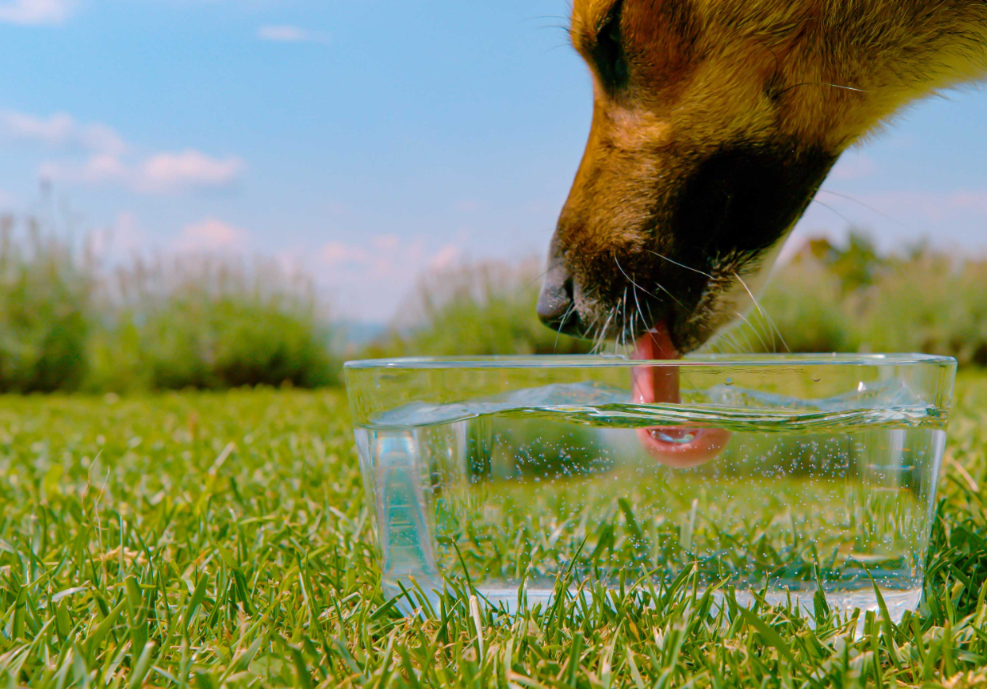
Water is one of the most important things to bring on any hiking adventure.
Dogs can become dehydrated during physical activity, especially when temperatures are high. Unlike humans, they don’t sweat efficiently through their skin, making it particularly important to help them stay hydrated.
Pack enough fresh water for both of you and bring a collapsible bowl so your dog can drink comfortably during breaks.
Don’t assume that streams, ponds, or other natural water sources are safe drinking options. They may contain harmful bacteria, parasites, or other contaminants.
Depending on the length of your hike, consider bringing:
- Waste bags for cleaning up after your dog.
- A small first-aid kit.
- Your dog’s regular treats.
- A towel for muddy paws.
- Any necessary medications.
Having these essentials available can make unexpected situations much easier to manage.
3. Keep Your Dog on a Leash
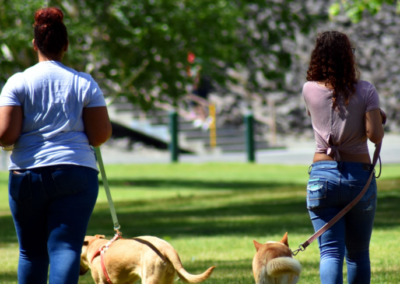
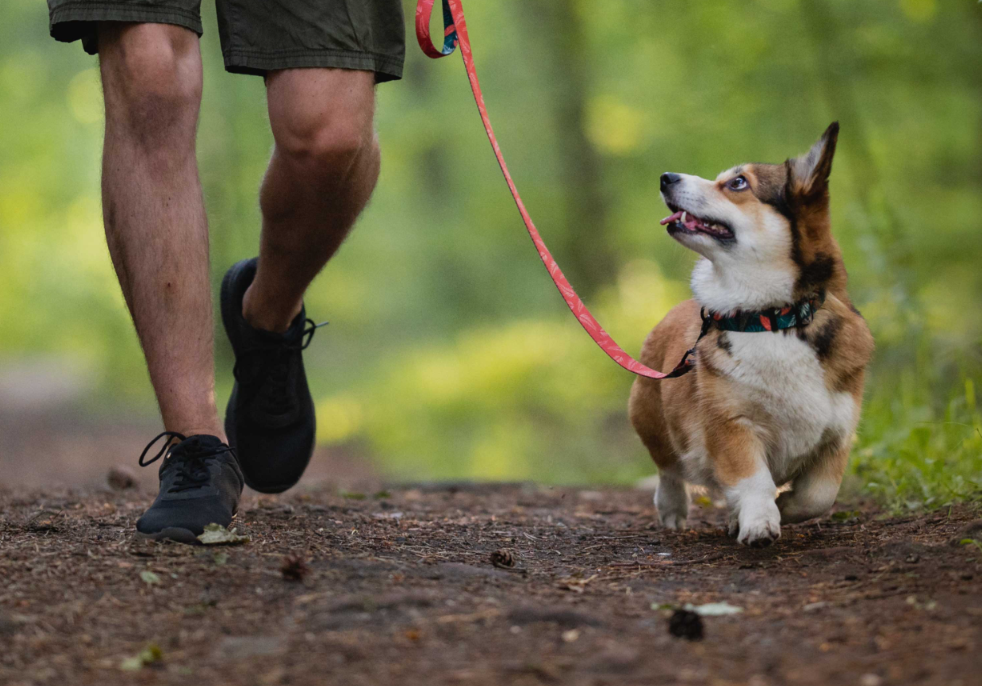
Even if your dog has excellent recall, keeping them leashed on hiking trails is essential.
An unfamiliar smell, passing wildlife, or another dog can quickly distract even the most obedient companion.
A dog that suddenly runs off may become lost, encounter dangerous animals, or wander into areas where they could get injured.
Leashes also protect wildlife and help prevent unwanted interactions with other hikers and their pets.
Always follow the specific trail regulations, and use a comfortable, secure leash and properly fitted harness or collar.
Giving your dog opportunities to explore is important, but keeping them under control helps ensure everyone can enjoy the trail safely.
4. Pay Attention to the Weather
Beautiful sunshine might make a hiking trip seem perfect, but hot weather can be dangerous for dogs.
Dogs can overheat much faster than people, especially during strenuous physical activity.
Breeds with short snouts, thick coats, and certain medical conditions may be particularly vulnerable to heat-related problems.
If temperatures are high, consider hiking early in the morning or later in the evening when conditions are cooler.
Watch for warning signs of overheating, including excessive panting, heavy drooling, weakness, vomiting, or difficulty breathing.
If your dog shows signs of heatstroke, stop exercising immediately, move them somewhere cool, begin cooling them with cool water, and seek emergency veterinary care.
Also remember that cold weather, icy surfaces, and sudden storms can create additional hazards.
Check the forecast before leaving and be prepared to change your plans if conditions become unsafe.
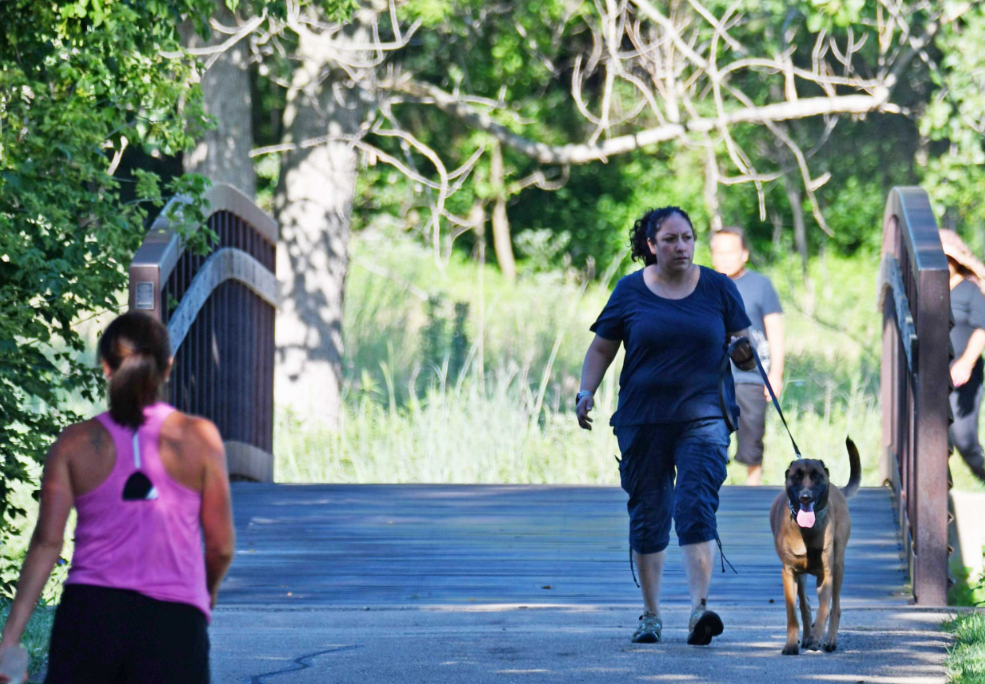
5. Be Considerate of Other Hikers
Nature trails are shared spaces, and not everyone you encounter will be comfortable around dogs.
Some people may be afraid of them, while others simply want to enjoy a peaceful outdoor experience.
Keep your dog close, prevent them from jumping on strangers, and avoid allowing them to approach unfamiliar dogs without permission.
Always clean up after your pet and dispose of waste properly.
It’s also important to respect wildlife. Never allow your dog to chase birds, squirrels, deer, or other animals.
A responsible dog owner understands that enjoying nature also means protecting it.
Make Every Adventure a Happy Memory
Hiking with your dog can create some of the best memories you’ll ever share.
But the greatest adventures aren’t measured by distance or how many trails you complete.
They’re measured by the time you spend together, the new places you discover, and the happiness your dog experiences along the way.
Choose the right trail, bring plenty of water, keep your dog leashed, watch the weather, and respect everyone sharing the outdoors.
Most importantly, pay attention to your dog’s comfort and don’t hesitate to turn back when they’ve had enough.
Because your dog doesn’t need an exhausting adventure to be happy.
Sometimes, all they need is a beautiful trail, a few interesting smells, and their favorite human walking right beside them.