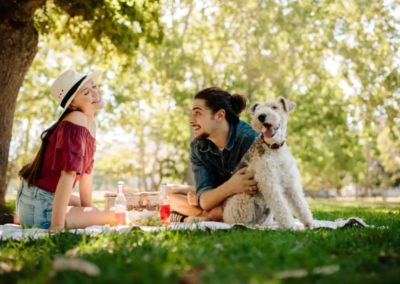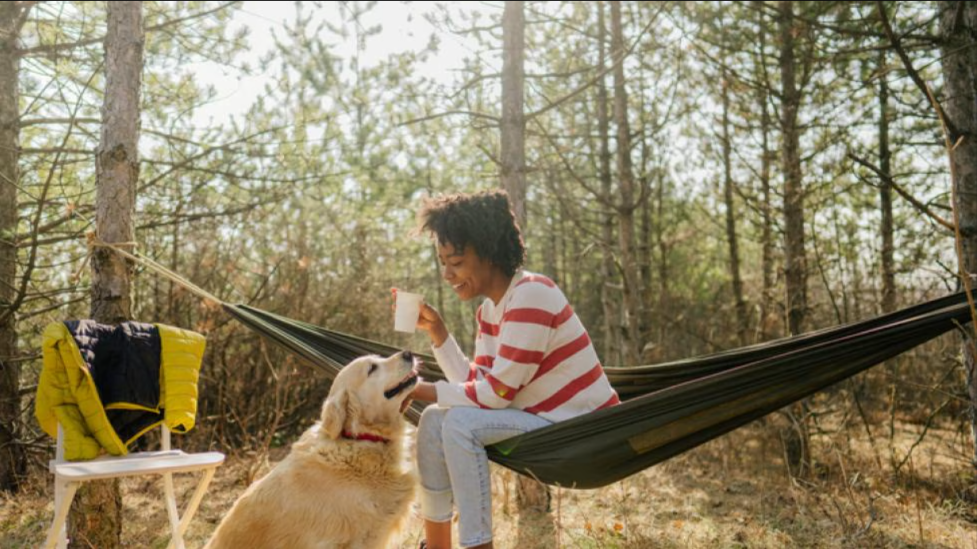
Camping with your dog sounds like the perfect adventure — fresh air, open trails, crackling campfires, and your best furry friend right beside you.
But while it can be an unforgettable bonding experience, it’s not something you should jump into unprepared.
A successful camping trip with a dog isn’t just about packing a tent and heading into the woods. It’s about planning ahead, thinking through safety, and making sure your dog is just as comfortable and protected as you are.
Before you even leave home, preparation is everything.
Start with the basics: make sure your dog is healthy, vaccinated, and protected against fleas, ticks, and heartworm.
Outdoor environments expose dogs to wildlife and parasites they don’t usually encounter at home, so prevention is essential for safety.
It’s also important to check whether your chosen campsite actually allows dogs. Not every park or trail is pet-friendly, and rules can vary widely depending on location.
A quick check beforehand can save you from fines or being turned away after a long drive.
If you’re traveling far from home, it’s smart to locate the nearest veterinary clinic near your campsite. Emergencies are rare, but when you’re outdoors and away from familiar care, having a plan makes all the difference.
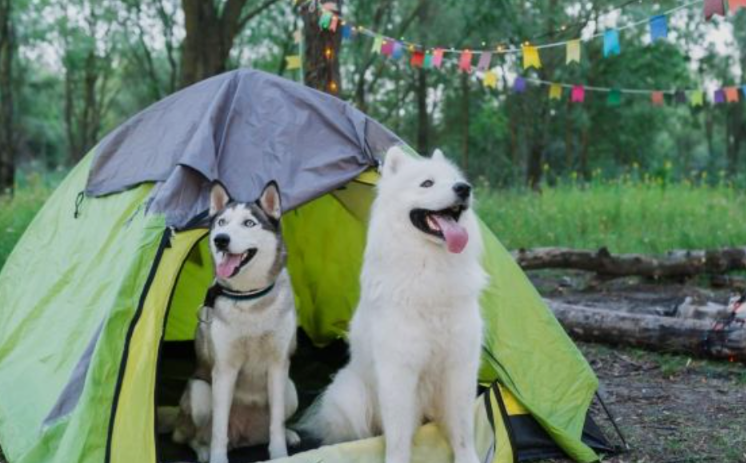
Once logistics are handled, it’s time to pack.
Think of your dog’s gear as seriously as your own. Bring their regular food (don’t switch diets mid-trip), plenty of clean drinking water, collapsible bowls, a sturdy leash, and waste bags.
Dogs burn more energy outdoors, and hydration becomes especially important.
Comfort items matter too. A familiar blanket, bed, or toy can help your dog feel grounded in a new environment. Camping can be exciting, but it’s still a change from their normal routine — familiarity helps reduce stress.
For safety, many owners also bring reflective gear or LED collars so their dog is visible at night, especially in wooded or low-light areas.
When you arrive at the campsite, supervision becomes the number one rule.
Dogs should never be left alone at camp. Between wildlife, unfamiliar sounds, and the risk of wandering off, constant supervision keeps them safe and prevents accidents.
Leashes are essential, even if your dog is well-trained. In most campgrounds, leash rules are strict, and even the most obedient dog can get distracted by wildlife or unfamiliar scents.
A long lead can give them freedom while still keeping control.
It’s also important to think about comfort. Make sure your dog always has access to shade, water, and a place to rest away from direct sun or heat. Outdoor environments can be more physically demanding than they appear.
Camping isn’t just about safety — it’s also about enjoyment.
Dogs need mental stimulation just like physical exercise. Bring toys, balls, or even simple chew items to keep them entertained while you relax.
Exploring trails together, walking around the campsite, or playing gentle games can make the experience more enriching for both of you.
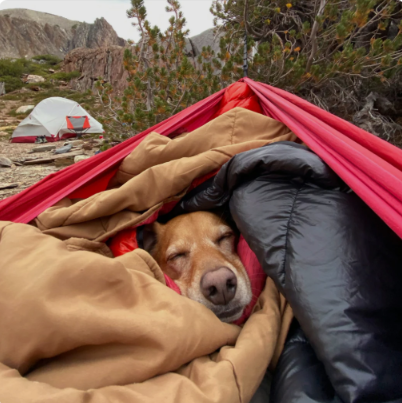
But always watch for signs of fatigue: heavy panting, slowing down, or disinterest in activity means it’s time for a break.
After the trip ends, don’t forget the final step: a proper check-up.
Once you’re home, inspect your dog for ticks, burrs, scratches, or irritation on their paws. Outdoor terrain can be rough, and small issues are easier to treat when caught early.
A quick rinse or bath can also help remove dirt and allergens picked up along the way.
At its core, camping with your dog is about balance.
It’s adventure paired with responsibility. Freedom paired with safety. Excitement paired with preparation.
When done right, it becomes more than just a trip — it becomes shared memory-making in its purest form: you, your dog, and the outdoors working together in perfect rhythm.
And for most dogs, that’s exactly where they belong — right beside you, under the open sky.