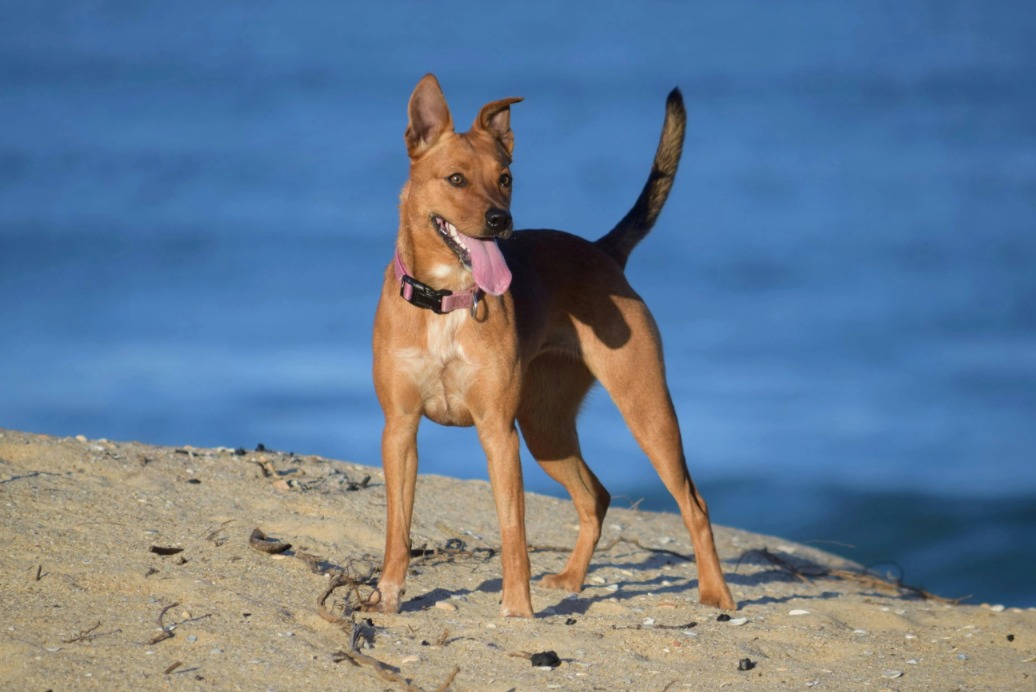
You love your dog, and you want every part of them to reflect health and happiness — especially their coat.
A shiny, soft, vibrant coat isn’t just aesthetically pleasing; it’s a true reflection of your dog’s overall well-being. The secret to a gorgeous coat starts from the inside out.
Nutrition plays a pivotal role: diets rich in high-quality proteins, Omega-3 and Omega-6 fatty acids, and essential vitamins like biotin, vitamin E, and zinc help maintain healthy skin and promote strong, glossy fur.
When a dog’s body is properly nourished, the oils produced by the skin naturally distribute along the hair shafts, creating that luminous sheen every dog owner dreams of.
But food alone isn’t enough. Regular grooming is equally essential for maintaining coat health.
Brushing your dog’s fur removes dirt, loose hair, and debris, while also stimulating blood flow and distributing natural oils evenly.
The frequency and type of brushing depend on your dog’s coat type: short-haired dogs may only need weekly attention, while long-haired or curly-coated dogs often require several sessions per week to prevent tangles, mats, and knots.
Incorporating grooming into your routine not only keeps the coat looking its best but also helps you detect skin irritations, parasites, or other potential health issues early.
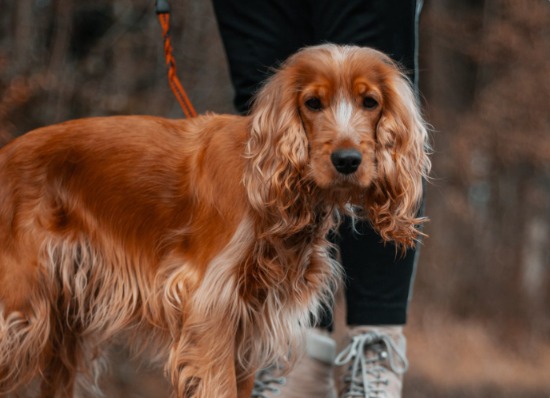
Bathing is another key element of a healthy coat, but it must be done carefully.
Using a gentle, dog-specific shampoo helps cleanse the skin and fur without stripping away essential oils, while a conditioner can lock in moisture and maintain softness, particularly for dogs with longer or denser coats.
Over-bathing can lead to dryness, itchiness, and a dull coat, so it’s important to find the right balance and rinse thoroughly to avoid residue that could irritate the skin.
Pairing bathing with proper drying techniques — gently towel-drying or using a low-heat blow dryer — ensures the coat remains smooth and frizz-free, preventing damage from friction or harsh heat.
Hydration is another often-overlooked factor. Dogs need constant access to clean, fresh water.
Dehydration can lead to dry, brittle hair and itchy, flaky skin, while a well-hydrated dog naturally produces healthier oils that nourish the coat from the inside out.
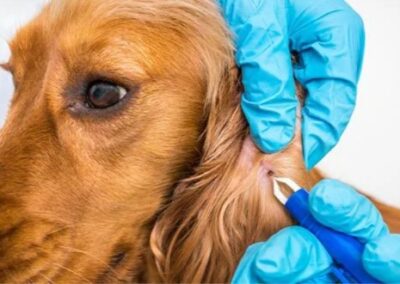
In addition, protecting your dog from parasites such as fleas, ticks, and mites is crucial, as infestations can cause itching, scratching, and hair loss, all of which compromise the coat’s health and shine.
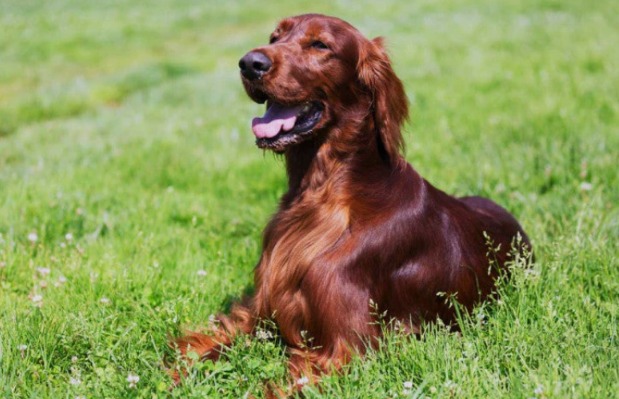
Long-haired and curly-coated breeds benefit from regular trims, particularly around sensitive areas like the paws, ears, and tail.
This prevents mats, tangles, and the accumulation of dirt that can irritate the skin and dull the fur.
Maintaining a consistent routine — feeding, grooming, bathing, exercise, and parasite prevention — helps reduce stress, which itself can affect coat condition.
Stress triggers hormonal changes that can lead to excessive shedding or dullness, so keeping your dog’s life predictable and balanced contributes directly to a healthier, more vibrant coat.
Ultimately, achieving a shiny, healthy coat requires attention to both internal health and external care.
It’s not just about looking good; it’s about promoting overall wellness, comfort, and confidence in your dog.
A soft, glossy coat indicates that your dog is nourished, hydrated, and well cared for, and it also enhances their comfort and mobility.
By committing to quality nutrition, thoughtful grooming, proper bathing, hydration, parasite control, and a consistent routine, you’re not only improving your dog’s appearance — you’re elevating their quality of life.
When you run your fingers through a soft, silky, shiny coat, you’re not just feeling fur; you’re witnessing the result of a holistic approach to care that nurtures both body and spirit.
Your dog will look radiant, feel comfortable, and move with ease — a true reflection of love, attention, and health.