When a dog disappears into dense forest, time doesn’t feel like it moves normally.
It stretches.
Every minute becomes heavier.
And every direction looks the same.
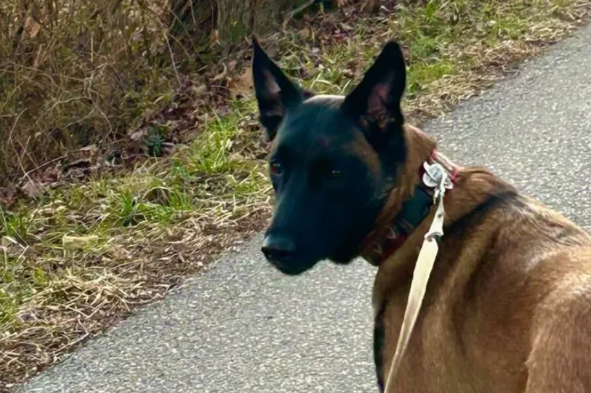
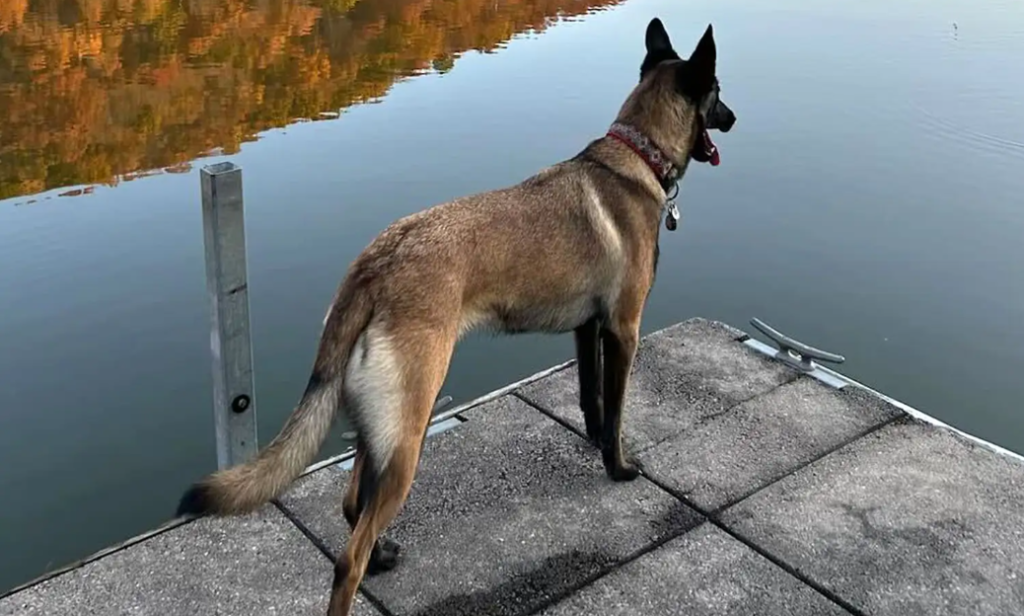
That’s exactly what happened when a dog named Petra ran off during a game of fetch in Kentucky’s Daniel Boone National Forest, a vast, rugged area with steep terrain and no reliable cell reception.
Her owner, Lisa Jenkins, suddenly found herself in a situation no pet parent wants to face: a missing dog, deep wilderness, and no easy way to search safely on foot.
The terrain itself made things worse — thick forest, uneven ground, and limited visibility meant that even a determined search would have been dangerously difficult.
But Petra wasn’t truly “lost” in the way most people imagine.
Because she was wearing a GPS-enabled collar.
That single detail changed everything.
Instead of guessing where her dog might be, Jenkins could track Petra’s movements remotely, watching as the collar continued to send location updates even through the remote landscape.
For days, those signals became the only thread connecting them.
Not sight.
Not sound.
Just a blinking point on a map that confirmed something crucial: Petra was still alive, still moving, still out there.
That kind of information does something important in situations like this — it replaces panic with direction.
Even when you can’t physically reach your dog, you’re no longer completely blind.
You can plan.
You can wait for the right moment.
You can follow the path instead of chasing uncertainty.
Eventually, Petra’s GPS signal shifted into an area that was accessible enough for Jenkins to reach.
Guided by the collar’s updates, she was able to navigate toward her dog’s location and close the distance that the forest had opened between them.
And that’s where everything turned.
The search didn’t end in theory or hope.
It ended in presence.
Petra was found safe, exhausted but alive, and the emotional reunion reflected exactly what had been building over those tense days — relief layered on top of disbelief.
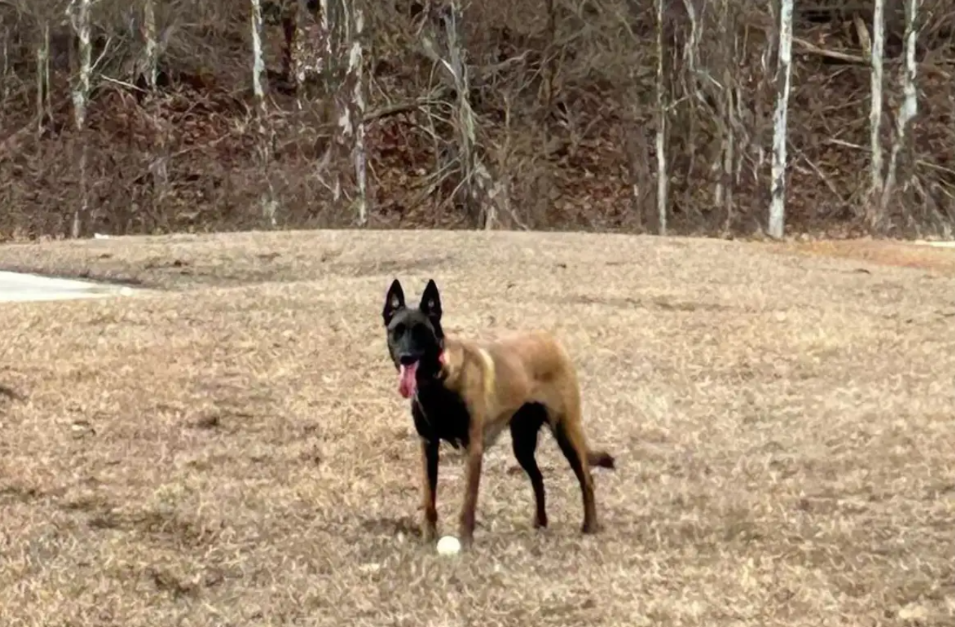
The collar’s battery was nearly drained by the time she was recovered, down to just a few percent, underscoring how narrow the window had been.
Moments like this highlight why GPS tracking has become such an important tool in modern pet safety.
These devices use satellite positioning to provide near real-time location data, allowing owners to locate pets even in areas without cell service.
In environments like dense forests, where traditional search methods can fail quickly, that kind of technology can be the difference between uncertainty and recovery.
But beyond the technology, the emotional core of the story is simple.
A dog ran.
A human worried.
And a small device kept them connected long enough for that worry to end safely.
After the reunion, Petra returned home unharmed — a reminder that even in vast, unpredictable landscapes, modern tools can quietly hold the line between “missing” and “found.”
And for Jenkins, the experience left one clear takeaway:
Even the most familiar dogs can get distracted in an instant — but with the right safeguards, they don’t have to be lost for good.