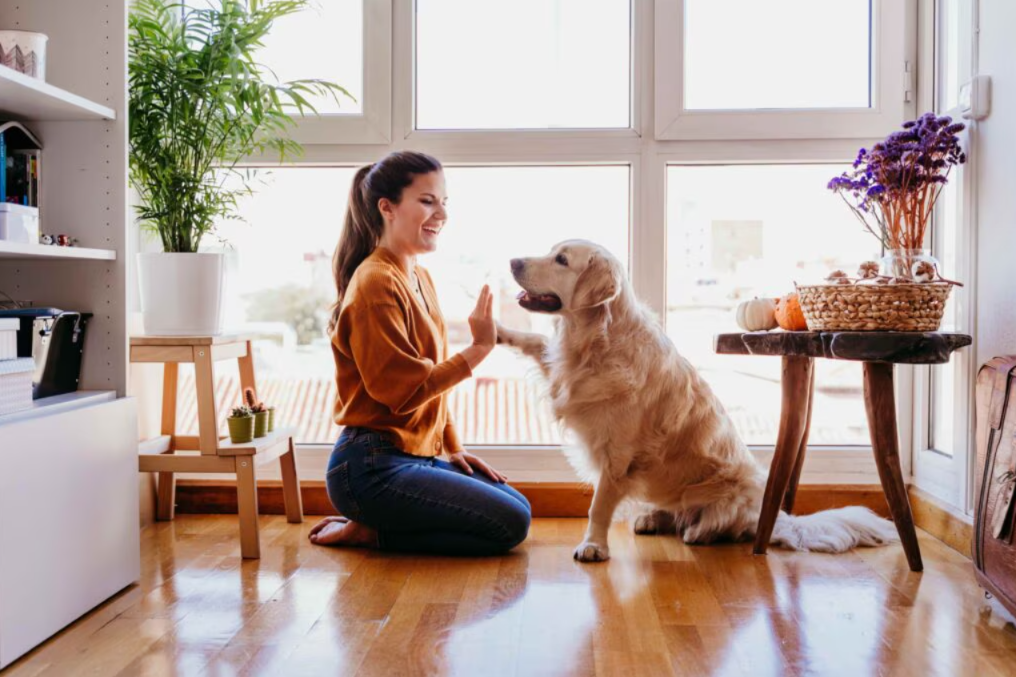
Your dog has food. A comfortable bed. Plenty of toys. Maybe even a nice walk every day.
So why are they chewing your shoes, barking at everything, digging holes in the yard, or following you around like they have nothing better to do?
Here’s a possibility many dog owners overlook.
Your dog may be physically tired of doing nothing with their brain.
Dogs need more than exercise and affection. They need opportunities to sniff, explore, solve problems, learn new things, and use the instincts that make them dogs.
The good news? Keeping your dog’s mind active doesn’t require expensive equipment or hours of extra work.
In fact, some of the best activities cost absolutely nothing.
Here are nine ways to make your dog’s day more interesting.
1. Play Hide-and-Seek
Remember how exciting hide-and-seek was when you were a kid?
Your dog can enjoy a version of that game, too.
Ask your dog to stay, or have someone gently keep them occupied while you hide somewhere in the house. Then call their name and let them search for you.
Start with easy hiding places. As your dog gets better, make the game more challenging.
They’re not just having fun. They’re practicing listening, searching, and problem-solving.
And when they finally find you? Celebrate like they’ve accomplished something wonderful.
2. Turn Your Home Into a Treasure Hunt
Want to keep your dog busy while you’re doing something else?
Try the “find it” game.
Hide a few pieces of your dog’s regular kibble or favorite treats around an accessible room. Start with obvious locations so your dog understands the game.
Then give the cue, “Find it!”
As your dog improves, hide the rewards in slightly trickier places.
Always choose safe hiding spots and supervise your dog so they don’t swallow unsuitable objects.
This simple activity encourages your dog to use their nose—and that can make an ordinary afternoon much more exciting.
3. Let Your Dog Sniff on Walks
Here’s a mistake many owners make: Treating every walk like a race.
You focus on distance. Your dog focuses on the fascinating smell beside the sidewalk.
Who’s right?
Sometimes, your dog is.
Sniffing lets dogs gather information about the world around them. A slower walk with plenty of safe opportunities to investigate can provide valuable mental enrichment.
So occasionally, put the rush aside.
Let your dog explore suitable patches of grass, investigate interesting scents, and enjoy the journey.
The goal isn’t to cover more ground. It’s to give your dog more opportunities to experience the world.
4. Change Your Walking Route
Imagine eating the same meal, visiting the same places, and seeing exactly the same things every single day.
Routine can be comforting, but a little variety can make life more interesting.
Try a different walking route when it’s safe and practical. Explore a quiet neighborhood street or a new green space where dogs are permitted.
New sights, sounds, and smells give your dog fresh information to investigate.
Keep your dog’s comfort and physical abilities in mind. A new adventure should be enjoyable, not overwhelming.
5. Introduce Puzzle Toys
Some dogs finish dinner so quickly you barely have time to put the food bowl down.
Puzzle feeders can turn mealtime into a more engaging activity.
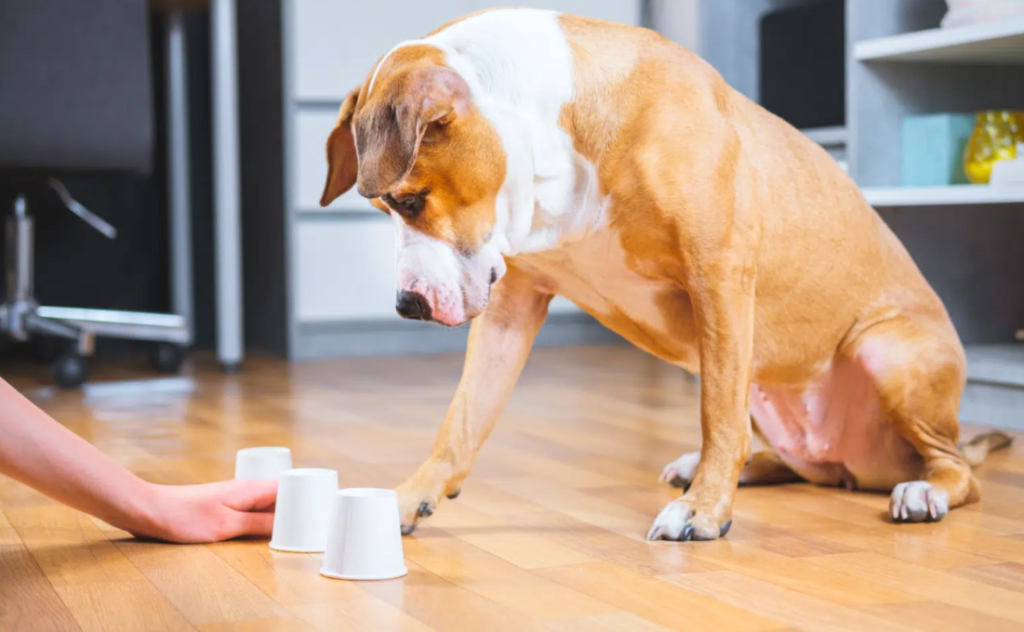
These toys require dogs to move pieces, investigate compartments, or figure out how to release food.
Start with an easy puzzle. If it’s too difficult, your dog may become frustrated rather than entertained.
Choose sturdy, appropriately sized products and supervise play to prevent chewing or swallowing pieces.
The reward? Your dog gets to work for their food while exercising their problem-solving skills.
6. Make Mealtime Last Longer
You don’t need a fancy toy to make eating more interesting.
Try scattering a portion of your dog’s dry food across a clean, safe area and letting them sniff out each piece.
A snuffle mat offers another option, hiding kibble among fabric folds for your dog to discover.
You can also use a suitable slow feeder to encourage a more measured pace.
Just remember to count these rewards toward your dog’s daily food allowance. Enrichment should support good health, not lead to unwanted weight gain.
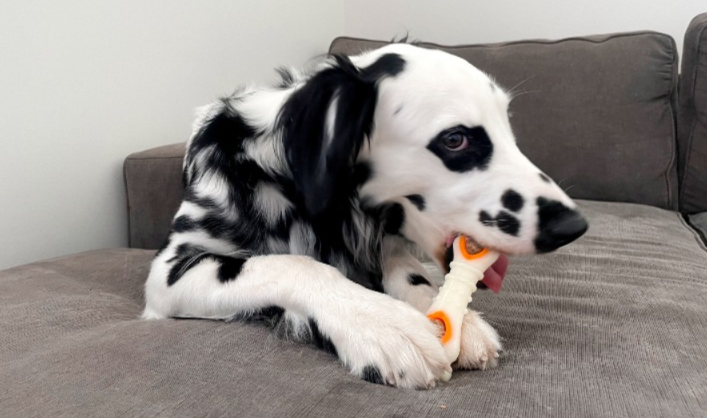
7. Offer a Dog-Safe Frozen Treat
Want a simple activity for a warm afternoon?
Try a frozen enrichment treat made with ingredients appropriate for your dog.
You might freeze some of their regular wet food in a suitable toy or offer a small portion of dog-safe vegetables.
Always check ingredients carefully. Avoid toxic foods such as grapes, raisins, chocolate, and products containing xylitol.
Choose a texture and size your dog can handle safely, and supervise them while eating.
A treat that takes time to lick and enjoy can provide a welcome change from ordinary snacking.
8. Teach One New Skill
Training isn’t just about obedience.
It’s an opportunity for your dog to think, communicate, and work with you.
Spend five minutes teaching a simple behavior, such as touching your hand with their nose, going to a mat, or responding to a new cue.
Use rewards and short, positive sessions. Finish while your dog is still interested.
Even older dogs can enjoy learning when the activity suits their abilities.
The bonus? You’re building communication and strengthening your relationship at the same time.
9. Rotate Their Toys
Your dog has ten toys but keeps choosing the same old favorite?
Try putting some toys away temporarily and leaving just a few available.
Later, swap them out.
Rotating toys can make familiar items feel interesting again without requiring you to buy something new every week.
Keep favorite comfort items available if your dog relies on them, and remove toys that are damaged or unsafe.
Give Your Dog a More Interesting Day
Mental stimulation isn’t a luxury. It’s an important part of helping dogs lead fulfilling lives.
Boredom can contribute to unwanted behaviors, although persistent barking, destruction, pacing, or other changes can also indicate anxiety or medical problems. Consult your veterinarian if you’re concerned.
Start small. Choose one activity and see how your dog responds.
Because sometimes, the answer isn’t another expensive toy or a longer walk.
It’s giving your best friend something meaningful to do.

I love how transparent everything is here. No hidden catches, just straightforward fun and fast cashouts. Visit ph24phcash
The app is super stable and loads quickly. No lags or crashes which is exactly what I need when playing. Love the setup at x111gameloginapk.