You grab your keys, slip on your shoes, and head toward the door.
Your dog immediately notices.
Maybe they follow you from room to room. Maybe they start whining, pacing, panting, or staring at you with worried eyes.
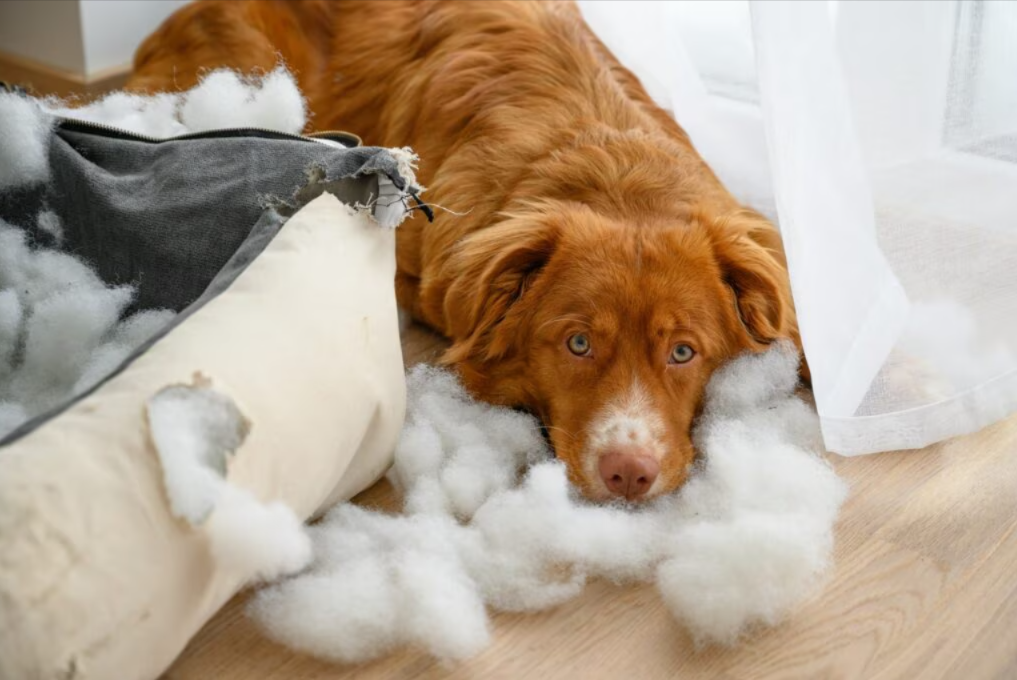
And when you finally return home, you discover that your dog has chewed the couch, scratched at the door, knocked things over, or had an accident.
It can be frustrating. But for a dog experiencing separation anxiety, these behaviors aren’t simply an act of rebellion.
They’re signs of distress.
Separation anxiety occurs when a dog experiences significant stress after being separated from a person they’re strongly bonded to.
For some dogs, being left alone can trigger an intense fear response that makes it extremely difficult for them to relax until their person comes home.
Fortunately, there are ways to help.
Learn to Recognize the Signs
Separation anxiety doesn’t always look the same from one dog to another.
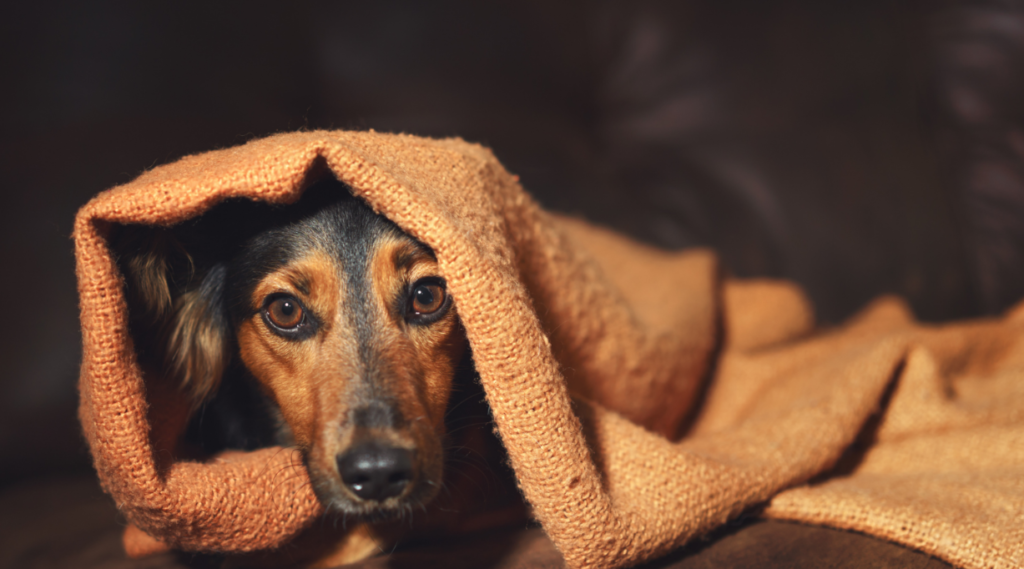
Some dogs become extremely vocal, barking, whining, or howling after their person leaves. Others pace constantly, tremble, drool heavily, or seem unable to settle.
Destructive behavior is another common warning sign. A dog may scratch at doors and windows, chew furniture, destroy household objects, or desperately try to escape from an area.
Some dogs may also refuse food, have accidents inside the home, vomit, or develop other stress-related behaviors.
The important thing is to look at the pattern.
If these behaviors happen primarily when your dog is left alone—or even begin when you start preparing to leave—separation anxiety could be part of the problem.
Don’t Expect an Overnight Fix
One of the biggest mistakes people can make is expecting their dog to simply “get used to” being alone.
For a dog with genuine separation anxiety, repeated exposure to long periods of isolation can actually make the fear worse.
Instead, successful behavior modification generally involves teaching the dog that being alone is safe, gradually and at a pace they can handle.
This process is known as systematic desensitization.
For example, you might briefly step into another room and return before your dog becomes anxious. If your dog remains calm, you can gradually increase the amount of time you’re gone.
The key is to stay below your dog’s anxiety threshold.
If your dog begins panicking, you’ve probably progressed too quickly. Going back to a shorter absence can help rebuild that sense of safety.
Even Your Keys Can Become a Trigger
Here’s something many dog parents don’t realize: Your dog may begin worrying long before you actually walk out the door.
Dogs are excellent observers.
They learn that certain actions—picking up your keys, putting on your shoes, grabbing your bag, or opening the door—usually mean you’re about to leave.
Over time, those everyday actions can become warning signals.
One way to help is to occasionally perform these actions without actually leaving. Pick up your keys and then sit on the couch. Put on your shoes and stay home.
The goal is to break the connection between these cues and the frightening experience of being left alone.
Don’t Let Training Progress Go to Waste
Consistency matters enormously.
Suppose your dog has gradually learned to remain calm for 20 or 30 minutes. Then, one day, they’re suddenly left alone for several hours.
That long absence can push them straight back into panic and undermine the progress you’ve made.
Whenever possible, dogs undergoing separation-anxiety training shouldn’t be left alone longer than they can comfortably handle.
If you need to be away, consider asking a trusted friend, family member, neighbor, dog walker, or daycare to help while you’re working through the training process.

Give Their Brain Something to Do
For dogs experiencing milder separation intolerance, physical and mental exercise before an absence may help them settle.
A walk can provide physical activity, while a scent game, puzzle activity, or short training session can give their brain a workout.
Teaching simple tricks such as “spin” or “high five” can also provide useful mental stimulation.
Interactive toys may help some dogs associate your departure with something positive. However, they aren’t appropriate as a stand-alone solution for every dog.
A severely anxious dog may quickly finish the food and then become distressed when they realize their person is still gone.
Sometimes, Professional Help Is Needed
Severe separation anxiety can be incredibly difficult to manage without professional guidance.
If your dog is injuring themselves, damaging the home, hurting another animal, or experiencing such intense anxiety that their quality of life is suffering, talk to your veterinarian.
A veterinary behaviorist or qualified separation-anxiety professional can help develop an individualized behavior-modification plan.
In some cases, medication may also be recommended alongside training. The purpose isn’t to replace behavioral work, but to reduce anxiety enough that the dog can actually learn and make progress.
Patience Can Change Everything
Perhaps the most important thing to remember is that separation anxiety isn’t your dog being difficult.
They’re scared.
And helping them overcome that fear can take time.
There may be days when progress seems almost invisible. You might spend weeks working on what feels like only a few additional seconds of calm alone time.
But those seconds matter.
With consistency, positive reinforcement, appropriate management, and professional support when necessary, many dogs can learn that their person leaving doesn’t mean they’ve been abandoned.
They can learn something far more comforting:
You leave.
And you always come back.

The graphics are stunning and the gameplay is fluid. It is honestly one of the most polished apps I have used in a long time. Love 52betwinapp
I’ve been playing on this app for a few weeks now and the interface is super smooth. The payouts are surprisingly fast too. Highly recommend j8jiliapp for anyone looking for a reliable spot.