What rescuers found along a quiet Florida roadside was the kind of scene that stops people in their tracks.
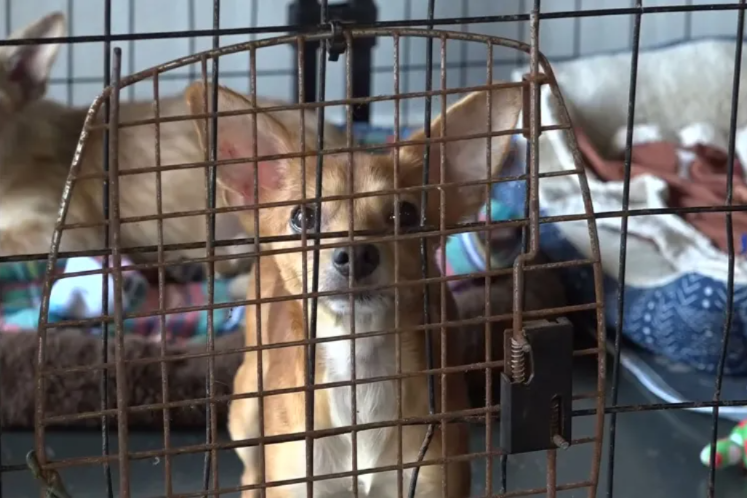
Dozens of small dogs—Chihuahuas—left behind in cages, scattered along the area as if someone had simply walked away and never looked back.
Some were frightened and unsure, clinging to the edges of their cages.
Others had already managed to slip into nearby wooded areas, forcing rescuers to search carefully through the brush and roadside terrain.
It quickly became clear this wasn’t a simple case of lost pets—it was an urgent, large-scale rescue.
When help arrived, the situation was chaotic. Dogs were everywhere.
Some were too scared to approach at first, requiring patience and careful handling from multiple rescue teams working together.
Others were more willing, rushing toward rescuers as if they understood this might be their only chance at safety.
Reports from the scene described dogs in varying conditions.
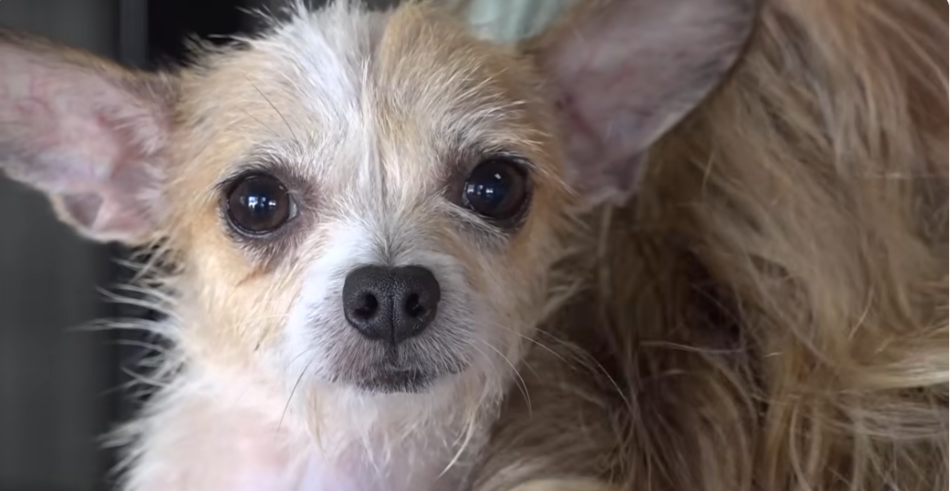
Many were dirty, malnourished, and showing clear signs of neglect.
Some had untreated injuries or skin issues, while others appeared to be in better shape but still shaken from the experience of being abandoned in an unfamiliar and dangerous environment.
Rescue crews worked methodically, prioritizing the most vulnerable dogs first while setting traps and carefully tracking those that had escaped into surrounding areas.
Every capture mattered—not just for safety, but for ensuring no dog was left behind in an environment that posed real risk from traffic, weather, and wildlife.
As the operation continued, it became clear that this effort would take coordination between multiple organizations.
Volunteers and animal rescue teams shared the workload, transporting dogs to safety and beginning the immediate process of medical evaluation and stabilization.
Even in the middle of the urgency, one thing stood out: how social many of the Chihuahuas were despite everything they had been through.
Several approached people readily, almost as if they still expected kindness from humans, even after being left in such a vulnerable situation.
For rescuers, that mixture of fear and trust is often the hardest part.
It highlights just how quickly animals can go from feeling safe to being completely exposed—and how important it is that help arrives in time.
Once secured, the dogs were taken to rescue facilities where they began receiving veterinary care.
That included treatment for injuries, hydration support, and assessments to determine which dogs could be made available for adoption once they recovered.
The road ahead is still long for many of them.
Recovery from neglect—especially in large group rescues like this one—takes time. Medical care is only the first step.
Rebuilding trust, routine, and emotional security is just as important.
But there is hope.
In cases like this, community response often becomes the turning point.
Once news spreads, foster applications, donations, and adoption interest begin to grow rapidly.
And for dogs that were once left behind, that attention becomes the bridge to something completely different: a stable home.
For now, these Chihuahuas are safe. They are being cared for. They are no longer alone on the roadside.
And while their story began with abandonment, it is now shifting toward something far more important.
A second chance—one cage, one rescue, and one future at a time.