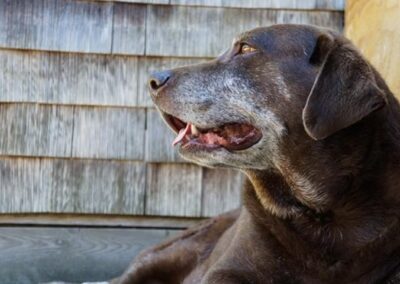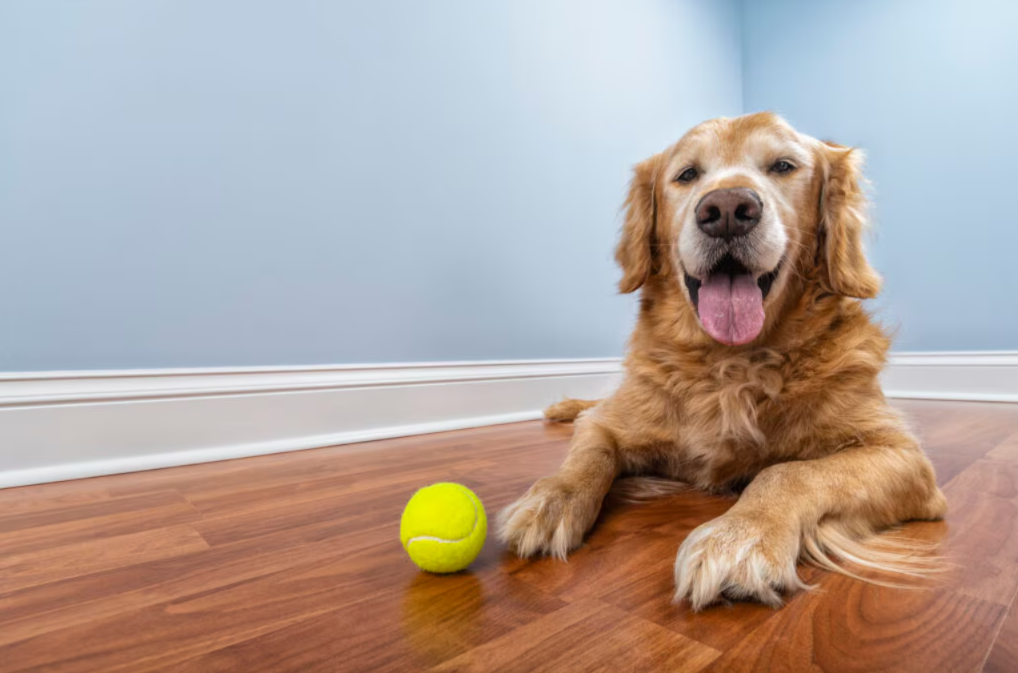
Your dog doesn’t wake up one morning and announce:
“Hey, I’m getting old.”
There is no warning bell.
No flashing light.
No little note left on the refrigerator.
Instead, the changes usually arrive quietly.
Maybe your dog takes a little longer to get off the floor.
Maybe those stairs suddenly look like a bigger challenge.
Maybe the long walk that once had their tail wagging now leaves them exhausted.
Or maybe they’re drinking more water than usual.
And that’s where you need to pay attention.
Because aging is normal.
But not every change should simply be blamed on age.
Senior dogs can develop health problems that are easier to manage when they’re recognized early. Regular veterinary care—often every six months for senior dogs—can help catch problems before they become much harder to deal with.
So what should you watch for?
Here are some of the big ones.
1. Getting Up Becomes a Struggle
Remember when your dog could jump off the couch like gravity didn’t exist?
If they’re now hesitating before standing…
Moving stiffly after sleeping…
Avoiding stairs…
Or walking more slowly than they used to…
Don’t automatically assume it’s “just old age.”
Arthritis and other joint problems become increasingly common as dogs age.
And your dog may be hurting without making a sound.
Sometimes the clues are surprisingly small.
They stop jumping onto their favorite chair.
They don’t want to climb into the car.
They avoid slippery floors.
They seem uncomfortable when touched.
Those changes matter.
A veterinarian can determine whether pain or another medical problem is behind the change and discuss appropriate treatment.
Simple home adjustments, such as better traction, ramps, and supportive bedding, can also make life easier.
2. Their Appetite or Thirst Changes
Here’s something dog owners sometimes overlook.
Food and water habits can tell you a lot.
If your senior dog suddenly isn’t interested in food…
Or they’re eating dramatically more…
Or they’re drinking and urinating much more than usual…
Don’t shrug it off.
Changes in appetite or thirst can sometimes accompany underlying health problems.
And unexplained weight loss or weight gain deserves attention, too.
Your dog doesn’t need a crash diet.
They need to know why their body is changing.
That’s a job for your veterinarian.
3. They Start Acting Confused
This one can be especially difficult to watch.
Your dog may pace around the house.
Wake up repeatedly at night.
Forget familiar routines.
Have accidents indoors.
Or occasionally seem unsure of where they are.
Cognitive dysfunction can occur in older dogs.
But here’s the important part:
Don’t diagnose it yourself.
Other medical conditions can cause similar behavior.
A veterinary examination can help determine what’s actually happening.
And if cognitive changes are involved, mental enrichment—such as scent games, puzzle feeders, and other age-appropriate activities—may help keep their mind engaged.
4. Their Senses Start Changing
Your dog may not hear you as well anymore.
They may hesitate in dark rooms.
They might bump into things.
They may seem startled when approached from behind.
Vision and hearing can decline with age, but sudden or noticeable changes should still be checked.
And you can make the home safer.
Keep furniture in familiar places.
Clear clutter from walkways.
Use night lights.
Keep food and water bowls where your dog expects them.
Small changes can make a big difference to an aging dog trying to navigate a changing world.
5. Don’t Forget Their Teeth
Bad breath isn’t always just bad breath.
Dental disease is common in older dogs and can cause pain and difficulty eating.
And dogs are remarkably good at hiding discomfort.
That’s why preventive dental care matters.
Regular brushing with dog-specific products, veterinary dental examinations, and professional cleanings when recommended can help protect your dog’s comfort and overall health.
6. They’re Sleeping Differently
Maybe your dog sleeps much more.
Or perhaps they’re suddenly restless at night.
Neither change should automatically be dismissed.
Senior dogs naturally become less active and may sleep more, but significant changes in sleeping patterns can sometimes point toward pain, cognitive changes, or another underlying condition.
Pay attention to what’s normal for your dog.
You know their routine better than anyone.
7. Their Weight Starts Moving in the Wrong Direction
Here’s another quiet warning sign.
Some senior dogs gain weight as activity and metabolism decrease.
Others lose weight or muscle because of disease, dental problems, or other age-related changes.
Either way, unexplained weight changes deserve a conversation with your veterinarian.
Because sometimes the scale is telling you something the dog can’t.
Your Dog Is Older. That Doesn’t Mean Their Best Days Are Over.
This is the part every senior-dog owner needs to remember.
Getting older isn’t the same thing as giving up.
Your dog may walk more slowly.
They may need more rest.
They may need help getting onto the couch.
They may need a softer bed, different nutrition, more frequent veterinary visits, or a little extra patience.
But they can still have wonderful days.
They can still enjoy their favorite treats.
Still sniff every interesting patch of grass.
Still chase a toy.
Still curl up beside you.
Still look at you with those same familiar eyes.
And that’s why noticing the little changes matters.
Because your dog can’t tell you where it hurts.
They can’t explain why they’re thirsty.
They can’t tell you they’re confused.
They can only show you.
So watch.
Listen.
And don’t dismiss something unusual simply because your dog is getting older.
Sometimes, catching one small change early can mean giving your best friend many more comfortable days by your side.