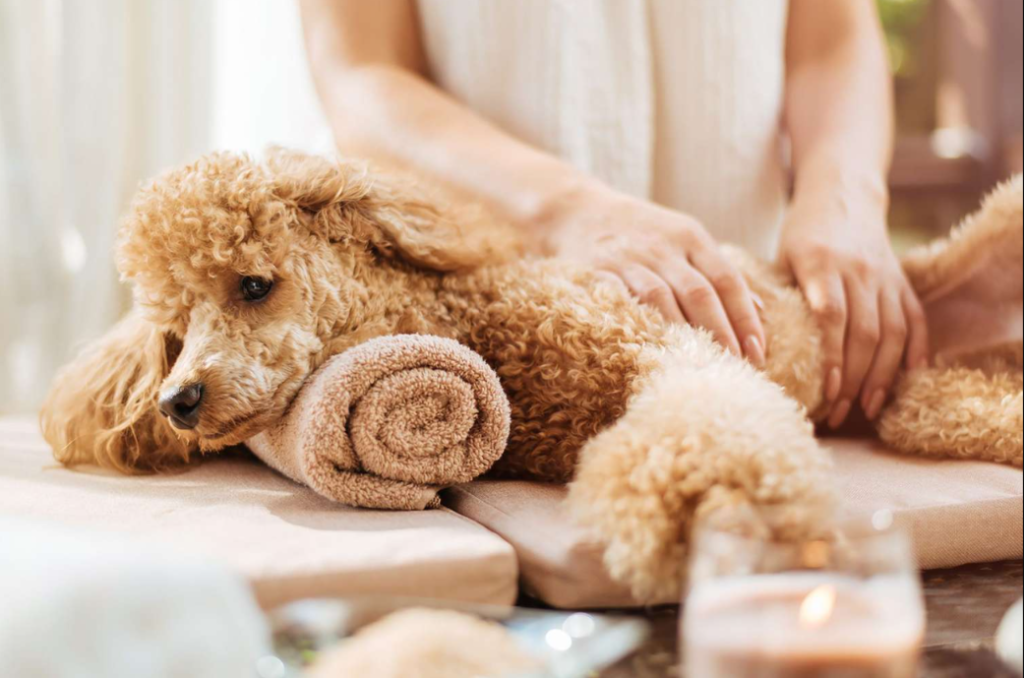
Most dog owners already do it without realizing it.
The gentle rub behind the ears.
The slow scratches down the back after a long walk.
The comforting touch during thunderstorms.
To us, it feels like affection.
To dogs, it can feel like healing.
Canine massage has quietly become one of the most talked-about wellness practices among veterinarians, trainers, rehabilitation specialists, and dog owners alike — not because it’s trendy, but because many dogs genuinely seem to thrive from it.
And no, this isn’t about turning dogs into pampered spa clients.
For many pups, massage can help with stiffness, anxiety, recovery, mobility, and even trust-building.
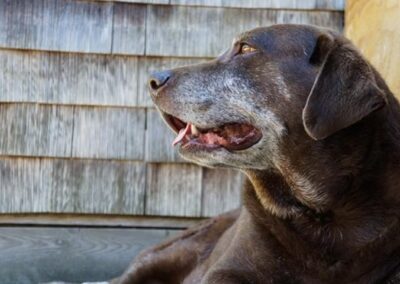
That’s especially true for older dogs.
Anyone who has loved a senior dog knows the heartbreaking little signs that begin to appear over time.
The slower rise from the floor. The hesitation before stairs. The stiffness after naps.
You notice it in silence before you notice it in movement.
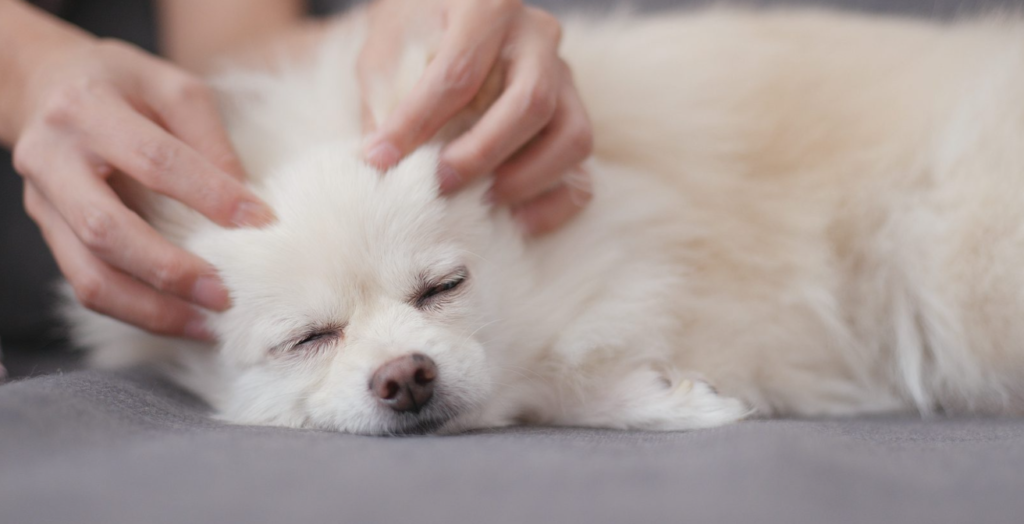
That’s why many dog owners begin exploring massage therapy not out of luxury — but out of love.
According to canine rehabilitation experts, massage may help increase circulation, reduce muscle tension, ease soreness, and improve range of motion in aging or recovering dogs.
And perhaps even more importantly?
It helps dogs relax.
One of the most powerful parts of massage has nothing to do with muscles at all.
It’s emotional.
Touch changes dogs.
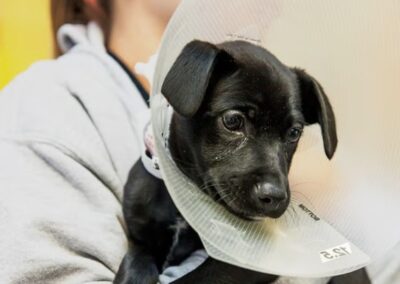
Rescue dogs who once flinched from human hands sometimes slowly learn that touch no longer means fear.
Nervous dogs often begin softening during calm massage sessions.
High-energy dogs who can never seem to settle may suddenly melt into the floor after a few minutes of gentle pressure.
Dog owners across Reddit often describe the same surprising effect: calmer evenings, deeper sleep, smoother movement, and stronger bonding.
One owner described their stiff senior dog as having less “retired athlete energy” after regular massage sessions.
Another shared that gentle post-walk massages noticeably helped their dog settle and recover faster.
And honestly, it makes sense.
Dogs experience tension too.
Excitement tightens muscles. Anxiety affects breathing. Aging changes mobility.
Active dogs strain their bodies constantly during zoomies, hikes, agility training, and endless games of fetch.
Massage simply gives the body a chance to release some of that strain.
Experts say even athletic dogs can benefit. Sporting dogs often receive massage before or after high-intensity activities to warm muscles up and reduce soreness afterward.
But perhaps the most beautiful thing about dog massage is how simple it can be.
You don’t need a luxury setup.
You don’t need candles or music.
Most dogs just need you.
Professionals often recommend starting in a quiet room with slow, gentle strokes along your dog’s back and sides.
Long sweeping motions — sometimes called “effleurage” — are commonly used to help dogs relax and warm the tissues.
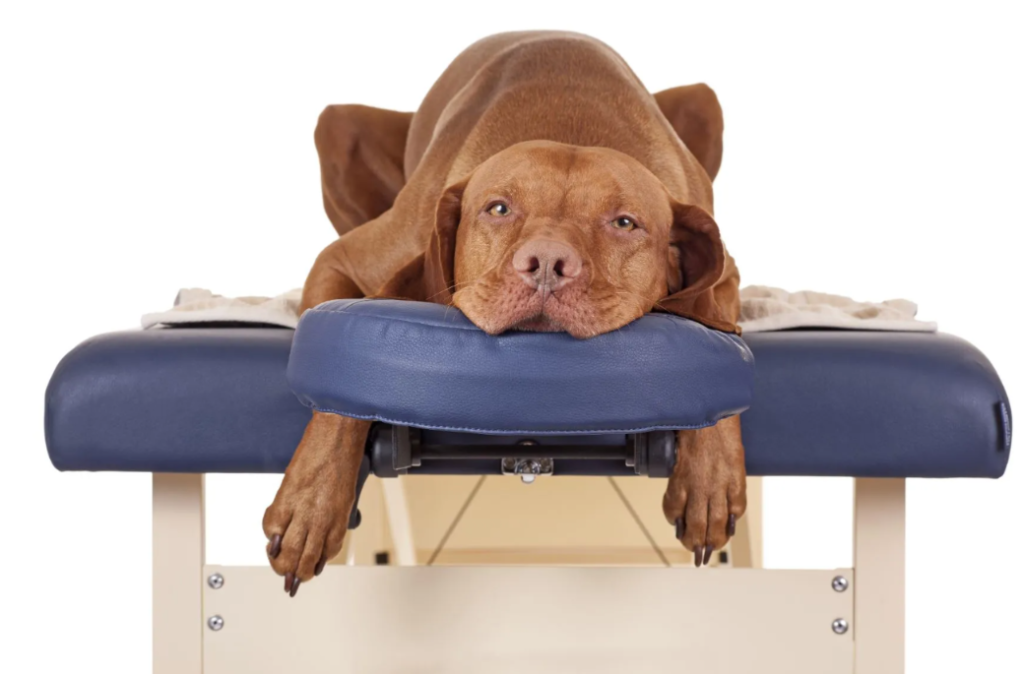
The key is paying attention to your dog’s response.
Relaxed breathing?
Soft eyes?
Leaning into your hand?
Those are good signs.
But if your dog pulls away, stiffens, flinches, growls, or seems uncomfortable, experts advise stopping immediately.
Because massage should never feel forced.
And contrary to what some people assume, harder pressure is not better.
Many experienced owners say the biggest mistake beginners make is pressing too firmly or moving too quickly. Gentle, controlled touch usually works best.
There are also situations where massage may not be appropriate.
Dogs with infections, open wounds, certain tumors, or severe pain conditions should always be evaluated by a veterinarian first.
Certified canine massage therapists also stress the importance of professional guidance for dogs recovering from injuries or surgeries.
Still, for healthy dogs, simple massage often becomes less of a “therapy” and more of a ritual.
Five quiet minutes before bed.
A calming routine after stressful days.
A gentle check-in after long adventures.
And maybe that’s why so many owners become emotional talking about it.
Because somewhere between the slow strokes and sleepy eyes, the experience stops feeling like treatment.
It starts feeling like communication.
A way of saying:
I see you hurting.
I see you aging.
I see you trying.
And I’m still here.
For dogs, that kind of comfort may matter more than we realize.