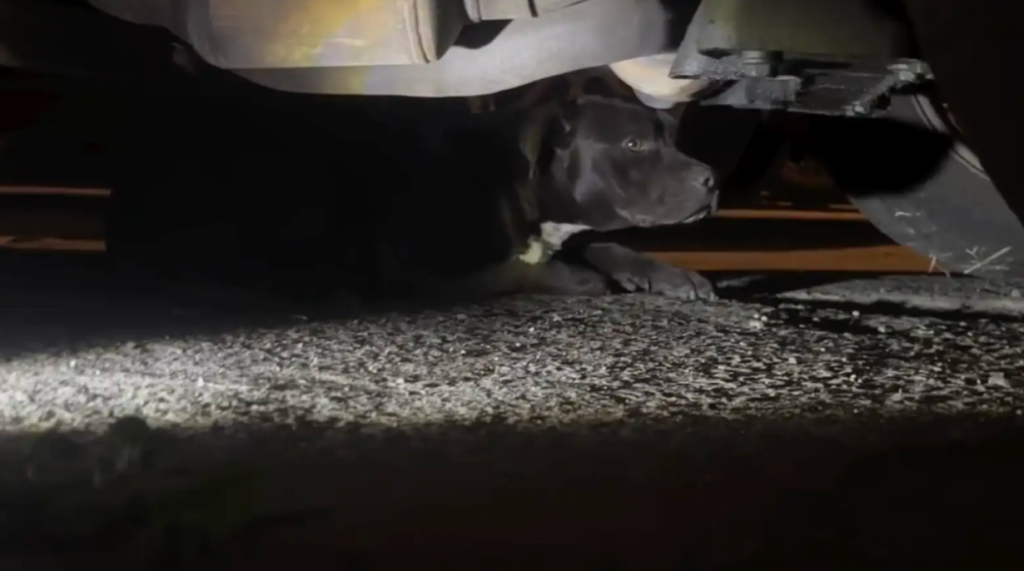
Under a parked car, the puppy barely moved.
At first, she looked like just another stray seeking shade or shelter from the street. But a closer look revealed something far more serious—this wasn’t just a puppy hiding.
She was fading.
Weak, frightened, and dangerously thin, she had curled herself into the smallest space she could find beneath the vehicle.
It was the only protection she had in a world that had clearly offered her very little kindness.
Every breath looked like effort.
Every movement looked like exhaustion.
And when rescuers first spotted her, it was immediately clear she was on the brink of something far worse than hunger or fear.
She was on the edge of survival.
Approaching her wasn’t easy. Puppies in this condition often don’t have the energy to run—but they also don’t have the understanding to trust.
She didn’t come out when called. She didn’t respond to food right away.
Instead, she watched from the darkness, unsure whether the humans crouching nearby were there to help or harm.
So the rescuers slowed everything down.
No sudden movements.
No pressure.
Just quiet presence.
They knew that in cases like this, rushing can cost everything.
Time became the most important tool they had.
Minute by minute, they waited near the car, gently offering food and soft reassurance.
The puppy remained hesitant, but something began to shift—not because she suddenly felt safe, but because she began to realize she wasn’t being chased away.
Eventually, hunger and exhaustion outweighed fear.
She crept forward.
Just a little.
Then a little more.
Until finally, she allowed herself to be reached.
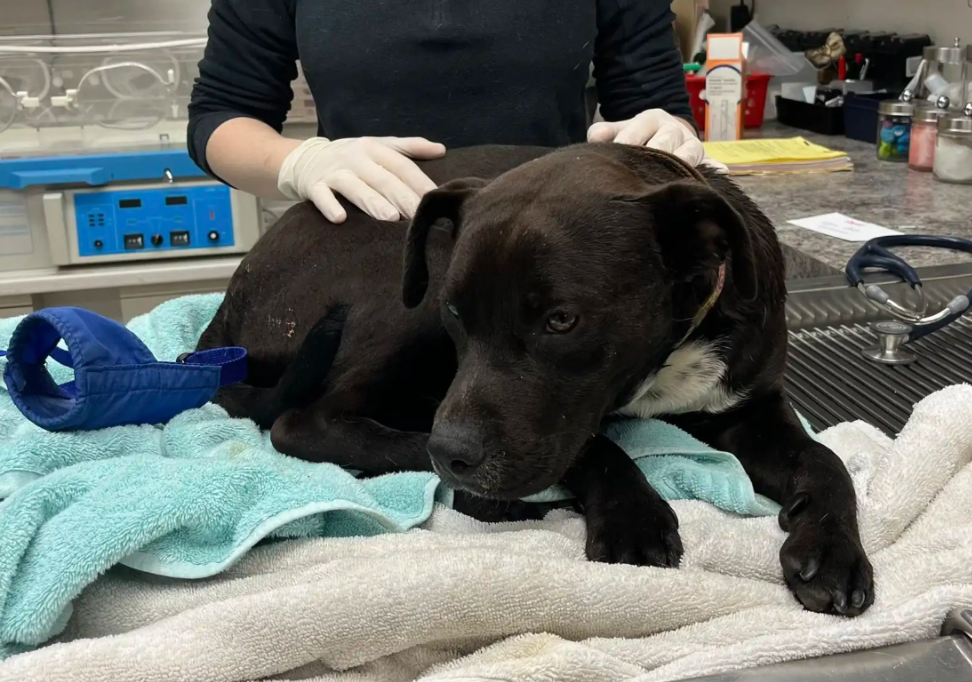
The moment she was safely lifted from beneath the car, her condition became even more heartbreaking up close.
She was severely weak, her body showing clear signs of prolonged neglect and malnutrition. But despite everything she had endured, she didn’t resist.
It was as if she no longer had the strength to fight the world that had already taken so much from her.
But that was also the turning point.
Because rescue didn’t end when she was pulled from danger—it began there.
She was immediately given warmth, hydration, and medical attention.
For many animals in this state, the first 24 to 48 hours are critical. Survival depends not just on treatment, but on whether the body is still willing to respond.
And slowly, hers did.
Small improvements came first—slight interest in food, more alert eyes, tiny movements that suggested she was no longer slipping away.
Each sign, no matter how small, felt like a victory to the people caring for her.
The transformation ahead would take time.
Recovery from neglect is never instant. It’s a process built on consistency, patience, and rebuilding trust in a world that once failed her.
But for the first time, she wasn’t doing it alone.
That mattered more than anything.
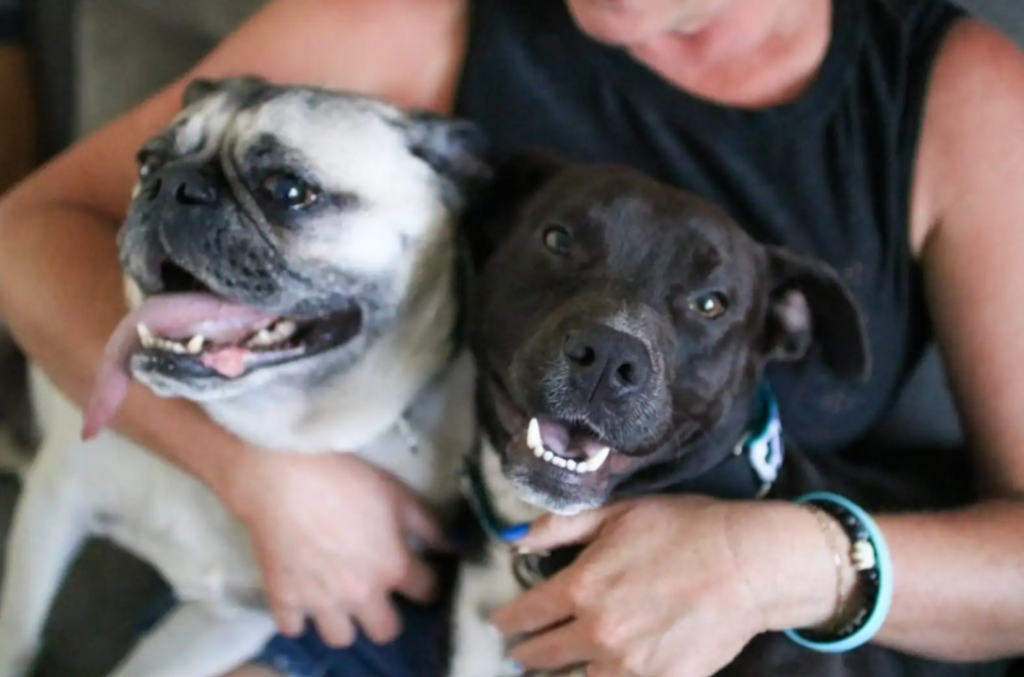
Because while she once hid beneath a car as if trying to disappear from the world, she was now surrounded by people determined to make sure she never had to hide again.
And sometimes, that is what rescue truly looks like:
Not just saving a life in its final moments—but giving that life a reason to keep going afterward.