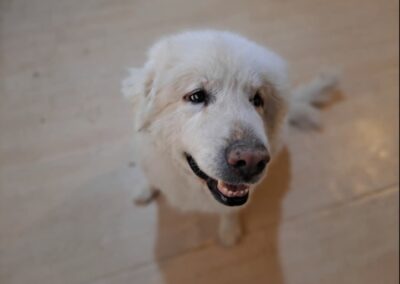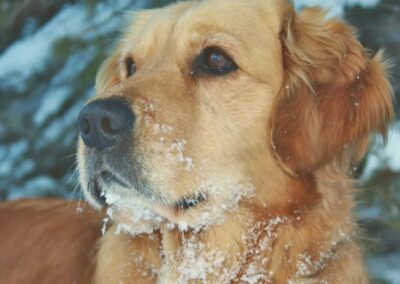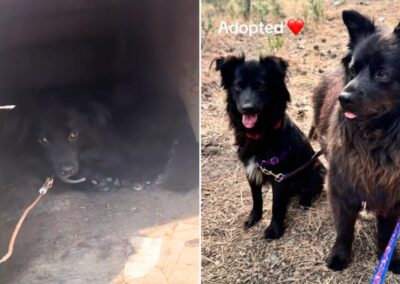
Walk into almost any animal shelter, and you’ll find dogs of every shape, size, and personality.
Some are playful puppies eager to meet everyone who walks by.
Others are older dogs quietly hoping someone will notice them.
And then there are the rare breeds and uncommon mixes—dogs that often spend far longer waiting for a family, not because they’re less lovable, but simply because many people don’t know much about them.
While popular breeds like Golden Retrievers, Labradors, and French Bulldogs tend to attract plenty of attention, lesser-known breeds can easily be overlooked. Yet many of these unique dogs have incredible personalities and make wonderful lifelong companions when matched with the right family.
One of the biggest reasons rare breeds wait longer is familiarity.
People naturally gravitate toward breeds they’ve grown up with or frequently see online. When they encounter a dog they’ve never heard of, uncertainty often takes over. Instead of learning about that dog’s temperament and needs, they move on to a breed they recognize.
But appearances—and popularity—don’t tell the whole story.
Every dog is an individual.
Some of the most rewarding companions are the ones people almost walked past.

Shelters occasionally receive rare purebred dogs or unusual breed mixes through owner surrenders, transfers, or stray intake. These dogs can include working breeds, hunting breeds, livestock guardians, and other less common canines whose original purpose may not fit every household.
That doesn’t mean they aren’t excellent pets.
It simply means they need adopters who understand what makes them unique.
For example, some rare breeds have boundless energy and thrive with active families who enjoy hiking, running, or outdoor adventures. Others are highly intelligent and love having a job to do, making them perfect for owners interested in training, scent work, or canine sports.
There are also rare breeds known for their calm, loyal, and affectionate personalities.
Like any dog, the right match depends far more on lifestyle than popularity.
Before adopting any dog, it’s important to research the breed’s exercise requirements, grooming needs, temperament, and health considerations. A breed that flourishes in one home may struggle in another if its physical or mental needs aren’t being met.
That’s why shelter staff play such an important role.
They spend time getting to know each dog’s personality and can often recommend a dog based on your daily routine rather than simply its breed label.
Many adopters are surprised to discover that the dog they originally overlooked ends up being the perfect fit.
You can find the rarest dog breeds at your local shelter 💙
by u/MARLeague in aww
It’s also worth remembering that breed labels in shelters aren’t always exact. Unless a dog’s history is known, visual identification alone can be inaccurate, especially for mixed-breed dogs. That’s another reason why personality should always carry more weight than appearance.
Instead of asking, “What breed is this?”
Try asking, “What kind of companion am I looking for?”
The answer might lead you to a dog you never expected.
Choosing a less common breed also helps shine a spotlight on dogs that often receive fewer adoption inquiries simply because they’re unfamiliar. With patience, proper training, and realistic expectations, many of these overlooked pups become devoted family members who are every bit as loving as their more famous counterparts.
Animal welfare advocates often encourage prospective adopters to keep an open mind when visiting shelters.
Rather than arriving with only one breed in mind, they suggest spending time meeting different dogs and letting personality guide the decision. More often than not, the connection you feel with a dog matters far more than what’s written on its kennel card.
At the end of the day, dogs don’t care whether they’re considered popular or rare.
They care about finding someone who will throw the ball, scratch behind their ears, take them on adventures, and love them for the rest of their lives.
And somewhere in a shelter today, an extraordinary dog is patiently waiting for exactly that.
Sometimes, the best companion isn’t the breed everyone is talking about.
It’s the one no one else thought to notice.