
Walk through any pet store today and you’ll see shelves packed with dog vitamins promising shinier coats, healthier joints, better digestion, stronger immunity, and longer lives.
And honestly?
It’s easy to understand why dog owners buy them.
When you love your dog like family, you naturally want to do everything possible to keep them healthy for as long as you can.
But veterinarians say there’s one important thing many people don’t realize:
Most healthy dogs already get the vitamins they need from their food.
According to experts, dogs eating a complete and balanced diet approved by AAFCO standards usually do not need extra multivitamins.
High-quality commercial dog foods are specifically designed to provide the nutrients dogs need at each stage of life.
That means giving extra vitamins “just in case” may not always help.
In some situations, it can actually create problems.
Unlike water-soluble vitamins that the body can flush out more easily, certain vitamins — especially fat-soluble ones like vitamins A, D, E, and K — can build up inside a dog’s body over time.
Too much supplementation can potentially lead to imbalances or toxicity.
That’s why veterinarians repeatedly recommend the same thing before starting supplements:
Talk to your vet first.
Still, there are absolutely situations where vitamins and supplements can make a real difference.
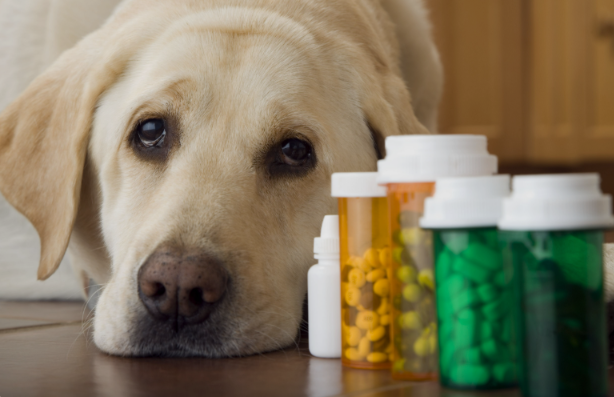
Senior dogs dealing with arthritis often benefit from joint supplements containing glucosamine, chondroitin, MSM, or omega-3 fatty acids.
Dogs with skin allergies may improve with fish oil or vitamin E support. Puppies on homemade diets sometimes need carefully balanced supplementation to avoid deficiencies during growth.
The key is understanding that supplements should support a dog’s health plan — not replace proper nutrition.
And one of the most popular supplements dog owners ask about is vitamin E.
Veterinarians explain that vitamin E acts as an antioxidant and helps support immune function, metabolism, skin health, and cell protection.
Some dogs with skin conditions, liver disease, inflammation, or cognitive decline may benefit from additional vitamin E under veterinary supervision.
But even then, dosage matters.
A lot.
Because dogs process nutrients differently than humans, owners should never assume human vitamin doses are automatically safe.
Some human supplements contain ingredients that can seriously harm dogs, including xylitol — a sweetener that is extremely toxic to pets.
That warning surprises many first-time dog owners.
Especially because the pet supplement industry has exploded in recent years.
Today, there are vitamins marketed for nearly everything:
Joint health. Anxiety. Digestion. Shedding. Brain function. Energy. Skin problems. Aging.
Some products genuinely help certain dogs.
Others are mostly marketing.
That’s why many veterinarians recommend looking for brands carrying the NASC quality seal, which indicates the supplement meets certain manufacturing and safety standards.

And interestingly, dog owners online often share wildly different experiences depending on the dog.
In one recent discussion on Reddit, some pet owners recommended LC-Vit or Nutriplus for picky eaters and underweight dogs, while others warned new fur parents not to rely purely on online reviews without veterinary guidance.
That divide reflects a bigger truth about dog vitamins overall:
There’s no universal “best” vitamin for every dog.
A supplement that helps one dog may do absolutely nothing for another.
Because every dog’s needs are different.
Age matters.
Breed matters.
Diet matters.
Health conditions matter.
Activity level matters.
A young healthy Labrador eating a balanced diet probably needs something completely different than a senior rescue dog struggling with arthritis and digestive issues.
And sometimes, what looks like a vitamin deficiency isn’t one at all.
A dull coat, low energy, itching, or poor appetite can actually signal allergies, illness, parasites, pain, or underlying medical conditions that vitamins alone won’t fix.
That’s why responsible vets focus on identifying the root issue first instead of automatically recommending supplements.
Still, dog owners continue searching for ways to give their pets the healthiest possible lives.
And honestly, that instinct comes from a good place.
People aren’t buying vitamins because they’re careless.
They’re buying them because they love their dogs deeply.
Because every extra tail wag matters.
Every healthy year matters.
Every walk, cuddle, and goofy moment matters.
But sometimes the healthiest thing owners can do isn’t adding another supplement.
Sometimes it’s simpler than that.
A balanced diet.
Regular exercise.
Routine vet care.
Healthy weight management.
Dental care.
And daily attention from someone who genuinely notices when something feels “off.”
Because dogs don’t really measure love by vitamins.
They measure it by presence.
The person filling their bowl.
The hand scratching behind their ears.
The voice they trust when life feels uncertain.
And for most dogs, that kind of care is already the most powerful health boost they could ever receive.