On an early January morning in eastern Virginia, a startling and heartbreaking discovery turned a quiet community into the center of a life‑and‑death situation — one that has since sparked both concern and compassion.
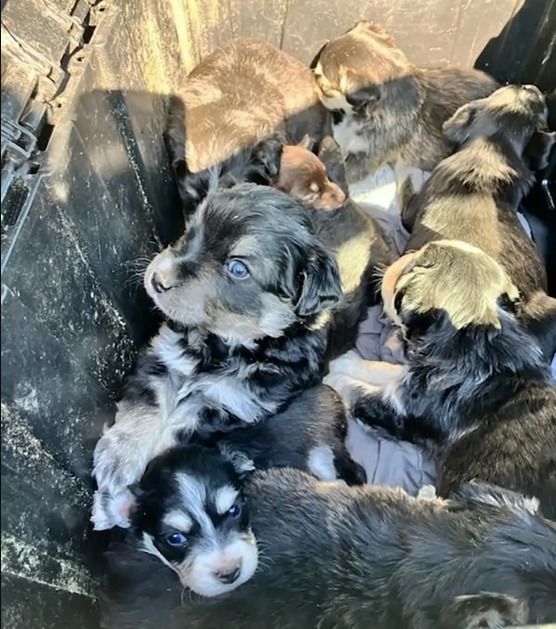
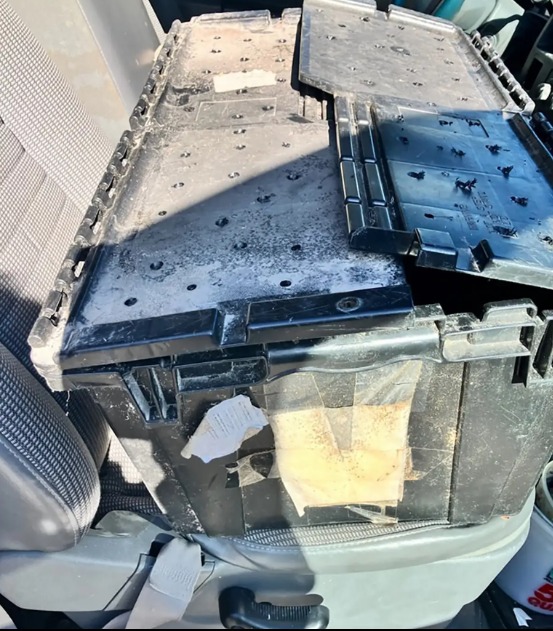
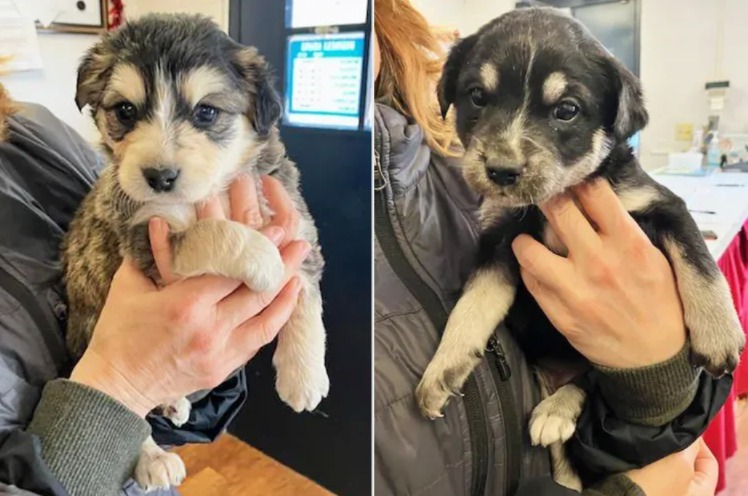
Around 7 a.m. on January 31, a passerby heard distressed noises and located a sealed black container tucked near an old school building. Inside were eight living puppies — abandoned and trapped with no air holes to sustain them.
The person who found them didn’t hesitate. Sensing the danger of the enclosed crate, they drilled air holes, allowing the tiny animals to breathe before transporting them straight to the Eastern Shore Regional Animal Control Facility for help.
For the shelter workers, the scene was both stressful and urgent. Eight young lives had been left in perilous conditions in the dead of winter, and one of the puppies tragically did not survive the ordeal.
The remaining pups — helpless, vulnerable, and in need of immediate care — were placed in a mandatory holding period, a legal requirement shelters follow so that if their original owner comes forward, they have a chance to claim them. Only after that period can they be considered for adoption or foster placement.
Meanwhile, the shelter issued a public appeal for information to help uncover the origin of the puppies. Staff are asking anyone with any knowledge — even anonymously — to contact them. They emphasized that helping animals isn’t just about finding homes; it’s also about understanding how and why such abandonment occurred so it can be prevented in the future.
The situation raises important questions about community responsibility and animal welfare. In Virginia and throughout the United States, when a pet is found or an animal is abandoned, local animal control and shelters are typically the first line of defense.
They take in strays and found animals, give them medical care, and hold them for a period so owners can be located.
Reporting found animals promptly — ideally within 72 hours — is important not only for legal reasons but also for the health and safety of the animals.
Shelters will scan for microchips, gather identifying information, and process an animal through the legal stray hold, during which owners have the chance to reclaim them.
In the case of these eight puppies, the response from animal control and the community highlights both the fragility of life and how quickly goodwill can form around vulnerable animals.
Volunteers and shelter staff must now manage their care, monitor their health, and make sure they’re safe throughout the holding period. Only afterward can decisions be made about foster placements and, eventually, forever homes.
This kind of discovery — animals left in unsafe enclosures with no air — isn’t just sad, it’s dangerous and potentially illegal.
Dogs and puppies can suffer from dehydration, hypothermia, malnutrition, and traumatic stress when left in confined spaces without proper ventilation or care.
The shelter’s urgent appeal is a call not just for information, but for collective responsibility. It’s a reminder that every animal deserves a chance at life and safety, and that when found, those animals should be reported immediately to professionals equipped to help.
In the days that followed the discovery, many in the community have expressed support and concern, and there’s hope that once the holding period is complete, these puppies will find homes filled with care, warmth, and compassion — a stark contrast to the cold box where their young lives nearly ended.