It usually starts small.
A stiffening of the body.
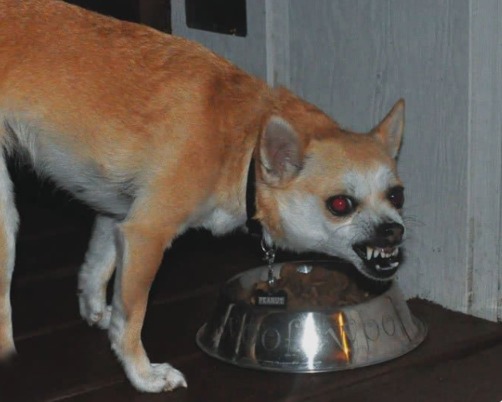
A lowered head over the food bowl.
A subtle freeze when someone walks too close.
Maybe even a soft growl.
It can catch you off guard. After all, this is your dog — the one who curls beside you at night and greets you like you’ve been gone for years after a short errand.
So why the sudden tension?
Resource guarding is a natural canine behavior. In the wild, protecting food, toys, or resting spaces is about survival. But in a home, those instincts can create stress — and sometimes danger — if not addressed thoughtfully.
The key is not punishment.
It’s understanding.
What Resource Guarding Really Is
Resource guarding happens when a dog becomes defensive over something they value — food, treats, toys, a favorite resting spot, even a person.
It’s not about dominance.
It’s about security.
To your dog, that bone or bowl might represent comfort and safety. If they fear it could be taken away, they may respond with warning signals: stiff posture, hard staring, lip lifting, snapping.
Those signals matter.
They’re communication.
Punishing a growl might stop the sound — but it doesn’t remove the fear behind it. In fact, it can teach a dog to skip the warning and escalate faster next time.
Instead of suppressing the behavior, we need to reshape the emotion driving it.
Prevention Starts Early
If you have a puppy, you’re in the best position to prevent guarding behaviors before they solidify.
Practice gentle, positive interactions around food and toys. Walk by while your puppy is eating and drop something even better into the bowl — a small piece of chicken or cheese. Teach them that human approach means bonus rewards, not loss.
Occasionally trade toys instead of taking them away. Offer something of equal or higher value and make the exchange feel like a win.
The goal is simple: your presence predicts good things.
Not scarcity.
If Guarding Has Already Started
First, stay calm.
Don’t challenge your dog. Don’t try to “show who’s boss.” Confrontation increases anxiety and can escalate behavior.
Instead, manage the environment.
Feed your dog in a quiet space where they feel safe. If toys cause conflict between multiple dogs, separate play sessions. Remove high-value items when guests or children are present.
Management prevents rehearsal of the guarding behavior — and rehearsal strengthens habits.
Next comes training.
Work on “trade” games. Approach your dog when they have a low-value item and toss a high-value treat nearby. As they move toward the treat, calmly pick up the item. Return it after a moment. Repeat until your approach consistently predicts something positive.
Gradual desensitization and counterconditioning — pairing your presence with rewards — builds trust over time.
Go slowly.
Rushing the process can backfire.
Children and Resource Guarding
If children are part of your household, supervision is non-negotiable. Even the gentlest dog can react unpredictably when startled or pressured around food.
Teach children to respect a dog’s space — especially during meals or when the dog is resting with a prized object.
Prevention here is about clarity.
Dogs shouldn’t have to defend themselves from unpredictable interactions.
When to Seek Professional Help
If your dog has escalated beyond growling to snapping or biting, consult a qualified trainer or veterinary behaviorist.
Look for professionals who use positive reinforcement methods. Avoid outdated dominance-based approaches, which often increase fear and aggression.
Behavior modification takes patience, but change is possible.
Many dogs who once guarded intensely can learn to relax — to trust that their needs will be met consistently.
Why This Matters
At its core, resource guarding isn’t about stubbornness or spite.
It’s about insecurity.
When we respond with patience instead of punishment, we show our dogs that they don’t need to defend what they value. That nothing good will be taken from them without something better in return.
And over time, the stiff body softens.
The growl fades.
The food bowl becomes just a bowl — not a battleground.
Because the strongest bond between a dog and their person isn’t built on control.
It’s built on trust.
And trust grows when your dog knows this simple truth:
There is enough.
You are safe.
And nothing you need will ever be taken away.
[7668]38jili Casino: Online Slots, Login & App Download Philippines Join 38jili Casino for the ultimate online slots experience in the Philippines. Enjoy secure login and fast app download. Play top casino games and win big today! visit: 38jili