For dog lovers and history buffs alike, few stories blend myth, legend and real‑life heroism like that of Barry, the St. Bernard from the Great St Bernard Pass — a place where rugged mountains meet centuries‑old tradition.
Barry isn’t just another famous dog; he’s become a national symbol of dedication and courage in Switzerland, his name echoing far beyond the snowy peaks where he once worked.
Barry was born around 1800 at the Great St Bernard Hospice, a monastery perched nearly 2,500 metres above sea level on the treacherous pass that connects Switzerland and Italy. This hospice, run by Augustinian canons, had long been a haven for travellers struggling with harsh weather and ice‑covered terrain.
In the early days, the monks and their helpers started bringing sturdy farm dogs with them on patrols into the Alps. Over time, these dogs became trusted companions and rescuers, helping guide weary travellers back to safety.
Among these rescue dogs, Barry stood out.
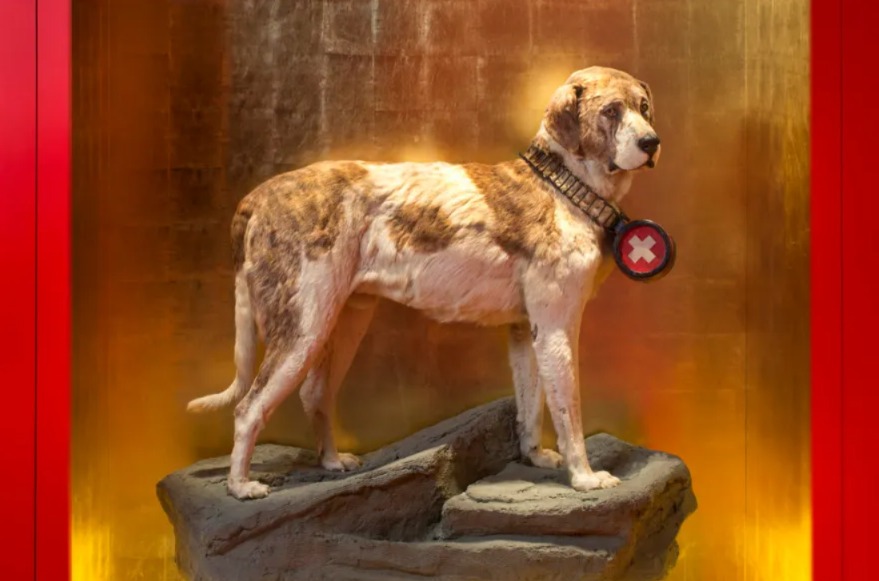
Unlike the towering St Bernards you may picture today, he was more moderately sized — his preserved body shows he weighed between about 40 kg and 45 kg (88–99 lb), far lighter than many modern St Bernards. But what Barry lacked in sheer size, he made up for in instinct and heart.
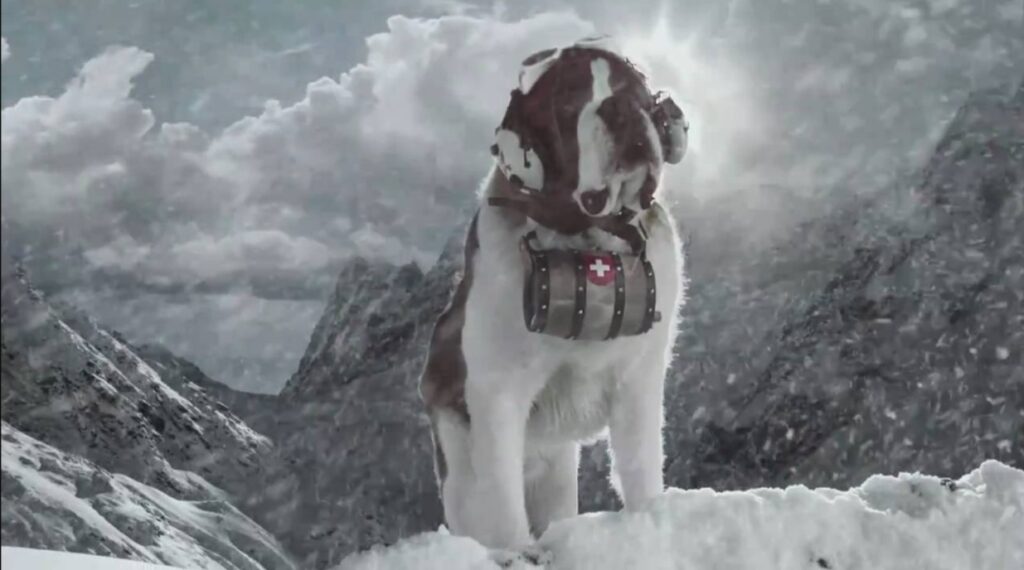
Barry was credited with saving the lives of more than 40 travellers during his lifetime, and it was one rescue in particular that helped him become legendary.
According to tradition, he located a young boy stranded in the snow, gently nudged him into position, and helped him back to the warmth of the hospice.
While some accounts have grown more dramatic over time, the core truth remains: Barry repeatedly demonstrated remarkable instinct and a strong desire to help those in peril.
The rescue work in the Alps — often in extreme weather, with snowstorms and blinding conditions — required dogs with resilient endurance and a keen sense of direction.
Barry and his canine companions were bred for these traits and trained alongside their human teams. Their efforts were a vital part of life at the hospice for centuries.
After Barry’s death in 1814, his legacy only grew. Rather than fading into obscurity, his body was preserved and put on display at the Natural History Museum in Bern, where visitors can still see him today.
That act of preservation helped ensure his story continued to be told — not just in Switzerland, but around the world.
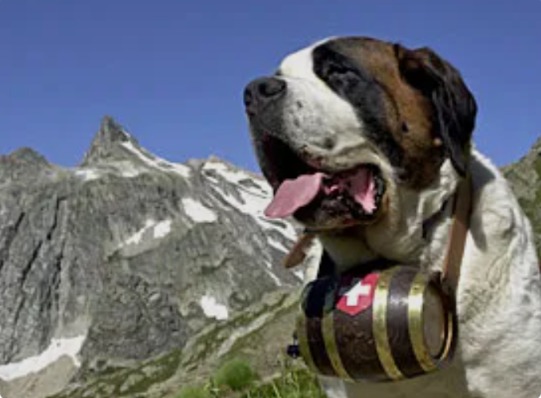
Barry’s legend has also inspired ongoing traditions. The hospice and Barry Foundation in Martigny honour him by naming one St. Bernard “Barry” in his memory, keeping alive the connection between the modern breed and its heroic roots.
What’s more, a dedicated theme park called Barryland now celebrates the history and culture surrounding St Bernard dogs, inviting visitors of all ages to learn about these animals and interact with them in person.
Today, the St Bernard breed is widely beloved not only for its historic role in mountain rescue but also for its gentle, patient personality as a companion animal.
Their calm demeanor and affectionate nature have made them popular with families and therapy dog programs across the globe.
Barry’s story endures because it captures something universal — the idea that loyalty, courage and kindness are qualities worth celebrating. He served as a working dog in challenging conditions not out of obligation, but out of instinctual devotion.
That devotion turned Barry from a mountain farm and hospice dog into a symbol of Swiss heritage and heroic canine spirit that still resonates today.
Whether you encounter his tale in museums, books or theme parks, Barry remains a reminder that real heroes — no matter how many paws they have — inspire generations long after their own footsteps have faded.