
They arrive all paws and curiosity.
Soft ears. Round bellies. Eyes that seem too big for their tiny faces.
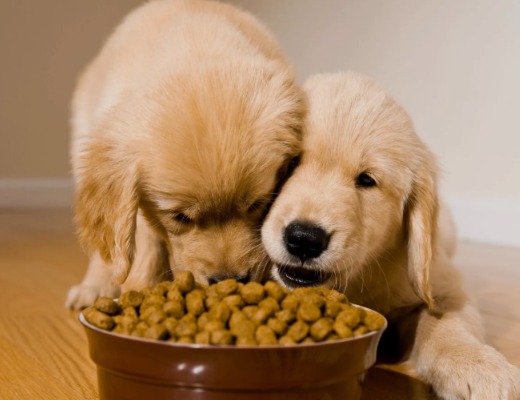
And suddenly, you’re responsible for everything — including what goes into that little bowl on the kitchen floor.
Feeding a puppy isn’t just about keeping them full.
It’s about building bones, fueling growth, shaping immunity, and setting the foundation for a lifetime of health.
Those first months matter more than most people realize.
Why Puppies Aren’t Just “Small Dogs”
A puppy’s body is in overdrive.
Bones are lengthening. Muscles are forming. Organs are maturing. The brain is developing at a rapid pace.
They require more calories per pound than adult dogs — but those calories must come from the right balance of nutrients.
Protein supports muscle development.
Fat provides energy and aids brain growth.
Calcium and phosphorus strengthen bones and teeth.
Essential vitamins and minerals regulate everything from immunity to metabolism.
Too little of something can stunt growth.
Too much of something — especially in large-breed puppies — can create orthopedic problems that last a lifetime.
Growth should be steady.
Not rushed.

Choosing the Right Food
Look for a complete and balanced puppy formula labeled for “growth” or “all life stages.” These diets are specifically formulated to meet the nutritional standards puppies require.
If you have a large or giant breed puppy, choose a formula designed for large-breed growth. These control calcium and calorie density to support slower, healthier skeletal development.
Rapid growth might seem impressive.
But controlled growth is safer.
Avoid switching foods frequently without reason. Puppies thrive on consistency. If you need to transition, do it gradually over several days to prevent digestive upset.
And when in doubt, your veterinarian is your best resource — especially if you’re considering alternative feeding plans like home-cooked or raw diets.
How Often to Feed
Young puppies need frequent meals.
Very small breeds and toy puppies may need three to four meals a day at first. Most puppies do well with three meals daily until about six months of age. After that, many transition to two meals per day.
Regular meal schedules support stable energy levels and help with house-training routines.
Free-feeding — leaving food out all day — may work in some cases, but scheduled feeding allows you to monitor appetite and digestion more closely.
A sudden loss of appetite in a growing puppy deserves attention.
Portion Control Matters
It’s easy to overfeed a puppy.
Those hopeful eyes. That enthusiastic tail. The way they act like every meal is the best thing that’s ever happened.
But excess weight during growth places strain on developing joints and increases the risk of long-term health problems.
Follow feeding guidelines on the food label as a starting point — then adjust based on your puppy’s body condition.
You should be able to feel their ribs under a light layer of tissue, but not see them prominently. They should have a visible waist when viewed from above.
Lean is healthy.
Overweight is not “cute.”
Treats and Extras
Training treats are essential during puppyhood — but they count toward daily calories.
Aim to keep treats to about 10% or less of total daily intake.
Avoid giving table scraps, especially foods that are toxic to dogs, like chocolate, grapes, onions, or anything containing xylitol.
Establishing healthy habits early makes them easier to maintain for years.
Water and Monitoring
Fresh water should always be available.
Watch for changes in drinking habits. Excessive thirst or sudden decreases in water intake can signal health issues.
Regular veterinary checkups during the first year help track growth patterns and catch concerns early.
The Bigger Picture
Feeding your puppy isn’t just a task.
It’s an act of love repeated daily.
Each measured scoop.
Each scheduled meal.
Each thoughtful decision about quality and portion.
You’re not just filling a bowl.
You’re fueling a future — long hikes, backyard games, quiet evenings at your feet.
Puppies grow quickly. Faster than you’ll be ready for.
But if you nourish them well — thoughtfully, consistently, intentionally — you give them the strongest possible start.
And that small bowl on the floor?
It becomes the beginning of everything.
Related posts:
 The Heavy Truth: How Dog Obesity Silently Steals Joy (and Years)
 Dog Allergy Signals Explained: Food Allergies Compared With Seasonal Triggers
 Why Spaying and Neutering Your Pet Is One of the Most Responsible Choices You Can Make
 Decoding the “Bad Dog”: Why Your Pup’s Habits Are Actually a Cry for Connection