There’s a moment every dog loves.
The gate swings open. The leash comes off. And suddenly the world is full of smells, open space, and new friends.
For many dogs, the dog park is pure joy.
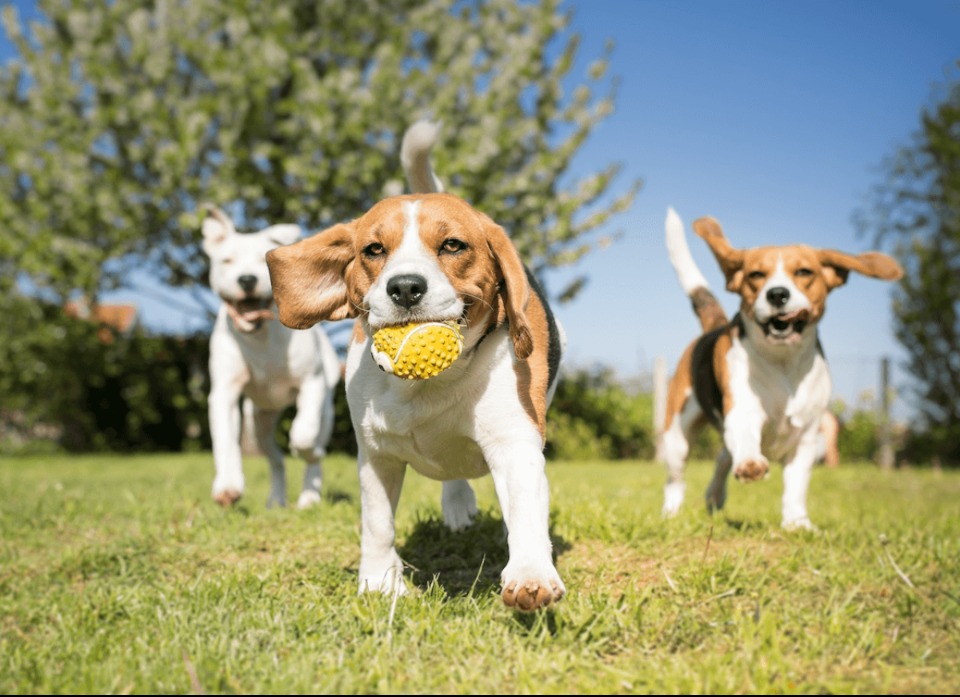
Running at full speed. Wrestling with a new buddy. Chasing a tennis ball across the grass while tails wag in every direction.
But behind that happy chaos is something many people forget.
Dog parks only work when humans follow a few simple rules.
Because while dogs are experts at communicating with each other, the environment can quickly become overwhelming—or even dangerous—if owners aren’t paying attention.
A little awareness goes a long way in making sure every dog leaves the park just as happy as when they arrived.
One of the most important things owners can do actually happens before they even enter the gate.
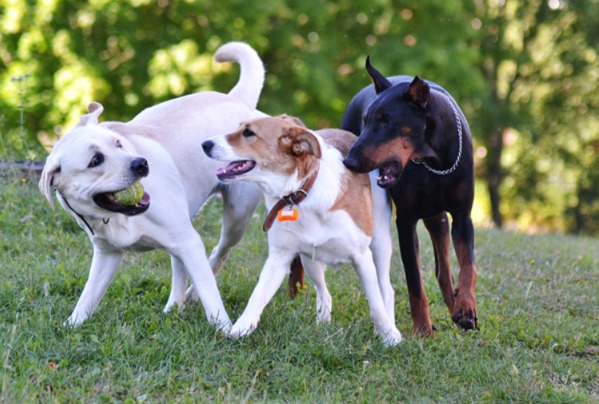
Know your dog.
Not every dog enjoys a crowded park. Some are shy. Some are easily overstimulated. Others may be learning how to behave around unfamiliar dogs.
A dog that feels anxious or defensive in a busy environment may struggle when surrounded by fast-moving playmates.
That doesn’t mean they’re a “bad” dog.
It just means the dog park might not be the right place for them—at least not yet.
Training, smaller playgroups, or quieter environments can help build confidence first.
For dogs who do love the park, preparation still matters.
Make sure your dog is healthy, vaccinated, and free of contagious illnesses. A dog park is a social space, and germs can spread just as easily as excitement.
Basic obedience is also essential.
A reliable recall—meaning your dog comes when called—can prevent countless problems. Whether play gets too rough or it’s time to leave, being able to get your dog’s attention quickly keeps everyone safe.
Once inside the park, supervision is everything.
Dog parks are not places where you can sit back, scroll through your phone, and tune out. Dogs move fast, and play can escalate in seconds.
Good owners stay alert.
They watch body language. They monitor interactions. And they step in if things start to look uncomfortable.
Dogs are actually very good at communicating when they’re having fun—or when they’re not.
Loose bodies, wagging tails, and bouncy movements usually signal friendly play.
But stiff posture, hard staring, raised hackles, or repeated attempts to escape another dog’s attention can mean tension is building.
Recognizing those signals early allows owners to redirect their dogs before a disagreement turns into a fight.
Another common mistake happens with toys.
While some dogs happily share, others can become protective of balls, sticks, or treats. This behavior, known as resource guarding, can quickly spark conflict in a crowded space.
If your dog becomes possessive over toys, it’s often best to leave them at home when visiting the park.
The same goes for food.
Treats may seem harmless, but they can trigger competition between dogs who don’t normally interact. What starts as curiosity can quickly become tension.
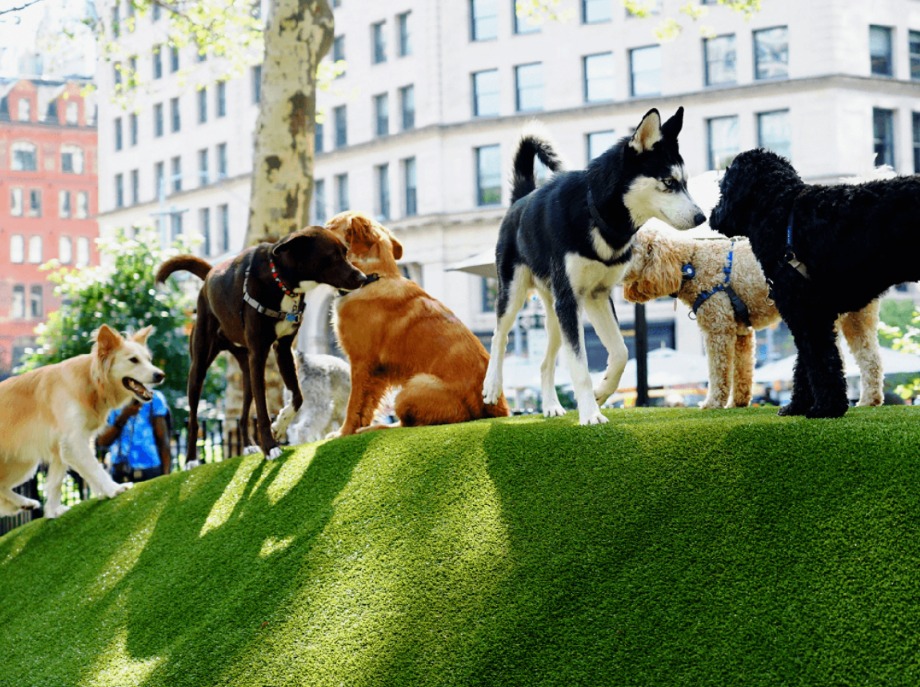
Keeping snacks outside the gate helps avoid unnecessary stress.
Respecting other dogs—and their owners—is equally important.
Not every dog wants to greet every other dog. Some may be older. Some may be recovering from injury. Others might simply prefer quieter play.
Responsible owners read the room and give space when needed.
And of course, there’s one rule every dog park visitor should follow without exception:
Clean up after your dog.
It’s not glamorous, but it’s part of being a considerate member of the community. Removing waste helps keep the park safe, sanitary, and welcoming for everyone.
When everyone participates, the park stays enjoyable for the entire pack.
At its best, a dog park is something special.
It’s a place where dogs get to run freely. Where friendships form in seconds. Where laughter follows every muddy sprint and clumsy tumble.
But the secret to a great dog park experience isn’t just letting dogs be dogs.
It’s humans being thoughtful.
Watching closely. Understanding behavior. Respecting the shared space.
Because when owners stay engaged and responsible, the park becomes what it was meant to be:
A playground filled with wagging tails, happy barks, and the pure, joyful freedom dogs dream about.