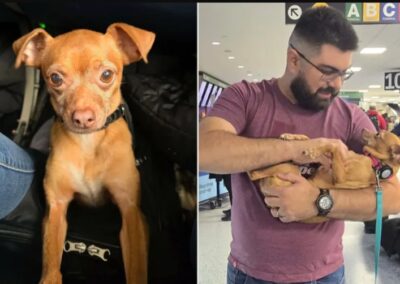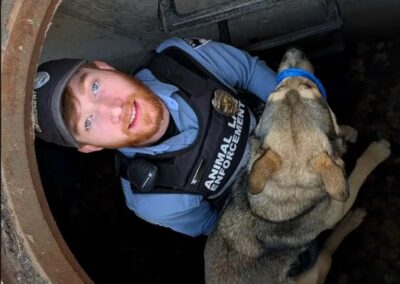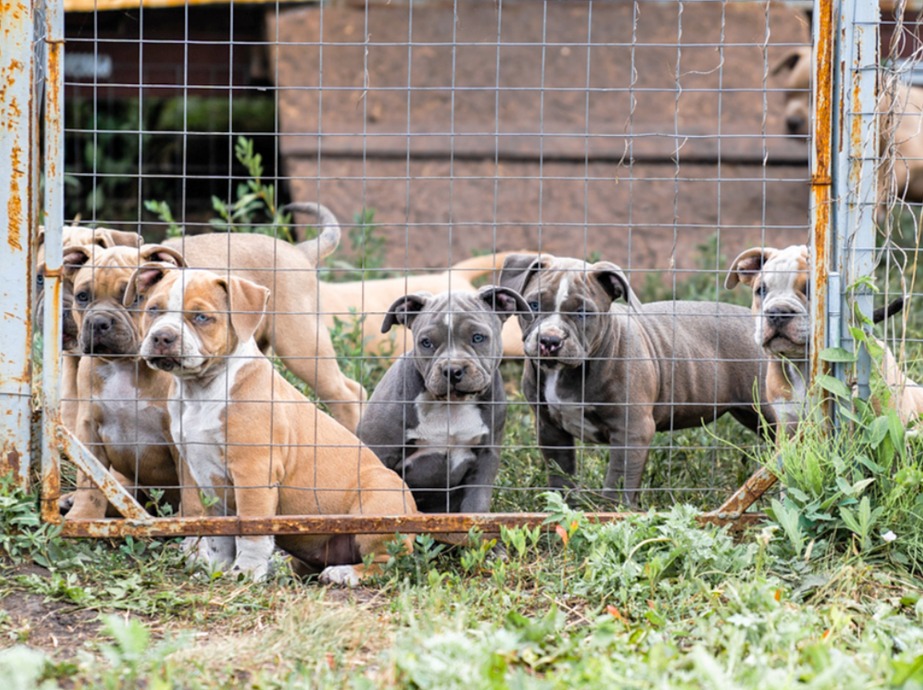
In a sweeping law‑enforcement operation across North Texas, more than 200 dogs and puppies were rescued from what authorities say was a suspected dogfighting network, marking one of the largest animal cruelty busts the region has seen in years.
The effort, dubbed “Operation Fight Club,” involved a coordinated force of local, state, and federal agencies working together to crack down on suspected illegal animal fighting and cruelty.
On February 10, police in Dallas, supported by the Texas Department of Public Safety, the Federal Bureau of Investigation’s Dallas Safe Streets Task Force, and animal welfare partners including the ASPCA, Dallas Animal Services, and Operation Kindness Humane Society, served dozens of search warrants across multiple properties in Dallas and nearby counties.
The scale of the operation was staggering. Authorities removed 207 dogs and puppies from more than a dozen locations linked to the investigation.
Many of these animals were believed to have been held in connection with dogfighting activities or under conditions that could subject them to extreme harm.
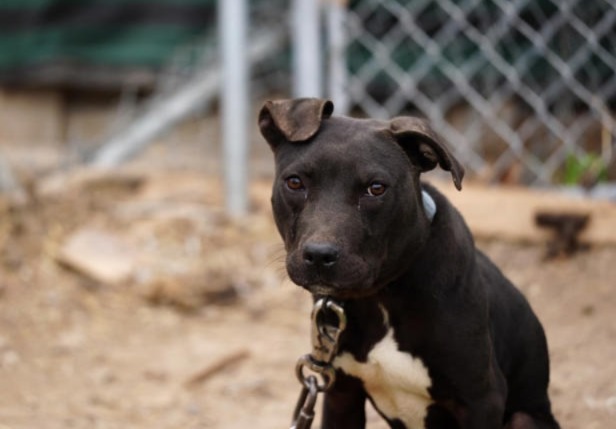
In addition to rescuing dogs, officials also seized a range of evidence tied to criminal activity. Law enforcement reported confiscating dozens of weapons, including pistols, rifles, and shotguns, as well as illegal drugs and specialized equipment often associated with dogfighting.
These items included chains, treadmills, and other paraphernalia that suggest animals may have been trained or forced into violent encounters.
For the animals themselves, the swift action likely saved lives. Dogs seized in the raid were removed from dangerous environments where they may have been tethered, housed in cramped makeshift kennels, or subjected to neglect.
Many will now undergo medical and behavioral assessments at recovery centers, where veterinarians and animal welfare specialists can provide essential care before determining next steps such as rehabilitation, foster placement, or adoption.
Officials from the ASPCA and local partners emphasized that the rescue represents a crucial intervention in what they describe as ongoing animal cruelty and organized dogfighting activity.
They also noted that while dogfighting is a felony offense in all 50 states, illegal networks can be deeply entrenched and hard to detect until law enforcement intervenes.
“This massive rescue reflects intensive planning, investigation, and cooperation across agencies,” an SPCA of Texas representative said, highlighting the complexity of the operation and the need for continued vigilance.
The rescued dogs now face a new chapter. Many require medical care, grooming, nutrition, and behavioral rehabilitation to recover from the conditions they endured.
Shelters and rescue organizations are stepping in to provide this support, but they’re also urging community help through foster applications, adoptions, and donations to ensure the animals receive the long‑term care they need.
Animal advocates point out that large‑scale busts like this one are sadly not isolated incidents.
Dogfighting, though illegal, persists in parts of the United States as an underground economy tied to gambling, organized crime, and animal abuse. Experts say that effective enforcement depends on community reporting, interagency cooperation, and strong animal welfare laws.
For the dogs now safe in shelters, however, the focus is on a hopeful future. With proper veterinary care and compassionate foster or adoptive homes, many of these animals have the potential to recover and thrive.
Volunteers and shelter staff work every day to help dogs learn trust, kindness, and comfort—things too many of them never knew before.
The success of Operation Fight Club stands as a powerful reminder that even in the darkest corners of animal cruelty, determined action can make a life‑saving difference.
And for more than 200 dogs now out of harm’s way, that difference is already beginning to take shape—one warm blanket, one meal, and one loving touch at a time.