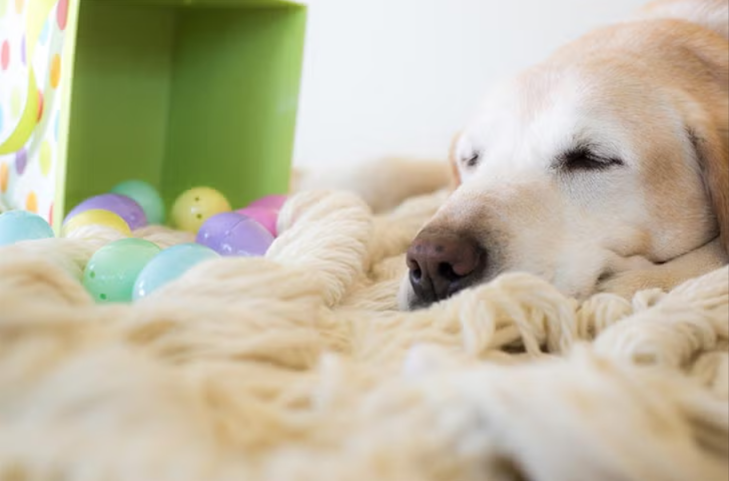
Spring is almost here, and with it comes sunshine, warmer temps, and plenty of reasons to get outside with your dog. One of the most joyful seasonal traditions—plastic egg hunts—can be adapted into an engaging activity for dogs of all ages and sizes. But before you toss out a basket of brightly colored eggs and call it a day, there are a few key tips every dog owner should know to make the experience safe, stimulating and truly fun.
Whether you’re planning a family Easter gathering or just want to give your dog a playful activity to break up the routine, a dog‑friendly egg hunt can be a hit when done thoughtfully.
Why Dogs Love Egg Hunts Too
Dogs are natural explorers with strong noses and a fondness for anything that smells like food. A plastic egg hunt plays into their instincts: sniffing, searching, working for rewards and celebrating success. It’s also a great way to build mental stimulation, encourage problem‑solving and reinforce positive training habits.
Unlike kids’ hunts, though, dog‑oriented egg activities should prioritize safety and clear outcomes so your pup doesn’t accidentally munch something they shouldn’t.
1. Choose the Right Eggs
For dog‑friendly hunts, use BPA‑free, non‑toxic plastic eggs made for play. Avoid thin, cheap varieties that can crack into sharp pieces. Many pet supply stores (and online retailers) sell eggs designed with pets in mind—durable, thicker plastic and a secure snap closure work best.
Skip anything metallic, glittery or scented with artificial fragrances; these can attract chewing and increase the risk of ingestion.
2. Use Dog‑Safe Treats
A dog’s egg hunt should reward smelling and seeking, not chewing plastic. Fill eggs with small bites of dog‑approved goodies such as:
- Tiny training treats
- Freeze‑dried liver pieces
- Small chunks of cooked chicken or hot dog
- Bits of cheese (if tolerated)
- Dog‑safe fruit like blueberries or cantaloupe
Keep portions small—too many calories in treats can disrupt digestion or training goals.
3. Start Easy and Build Up
If your dog is unfamiliar with egg hunts, ease them in:
Step 1: Visible Rewards
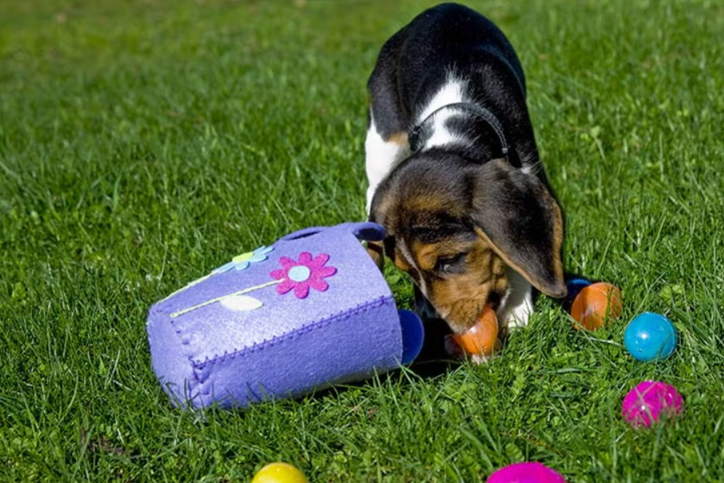
Place a treat under an open egg or leave a treat beside a closed egg so your dog sees both the prize and the container.
Step 2: Scent Introductions
Show your dog the scent by rubbing the treat on your hand and guiding them to a nearby egg.
Step 3: Hide at Sniff Level
Initially “hide” eggs in easy places: on the floor or partially visible behind a chair. As your dog gets the idea, hide them in slightly trickier—or vertical—spots.
The goal is success first. Confidence builds motivation.
4. Watch for Safety Signals
While most dogs catch on quickly, some behaviors can signal overwhelm or frustration:
- Excessive pawing or circling
- Whining without finding rewards
- Freezing in place
If your dog seems stressed, take a break, reduce hiding difficulty, or reposition eggs closer to the start.
Also avoid hiding eggs:
- On slick surfaces (slips risk injury)
- Inside tight spaces they might jam into
- Near sharp objects or garden tools
Make comfort and accessibility part of the play design.
5. Add Training Cues for Longer Fun
You don’t have to stop at treats. Pair the hunt with useful commands like:
- “Find it” or “Search” (for scent work)
- “Leave it” (so they don’t chew the egg)
- “Sit” and “Wait” (pre‑search focus)
A few short training moments sprinkled into the hunt makes it both entertaining and reinforcing.
6. Outdoor vs. Indoor Egg Hunts
Outdoor
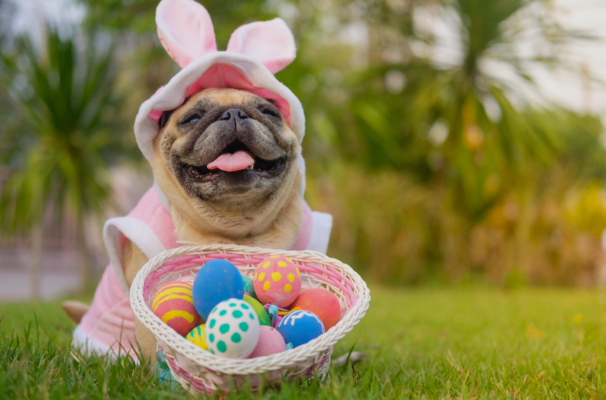
Wide open spaces offer more hiding creativity—behind bushes, under logs or tucked into grass. Be mindful of temperature, bugs and open water sources.
Indoor
Ideal for rainy days or small spaces. Use couches, rugs, or stair corners. Keep eggs visible to avoid frustration.
What to Do After the Hunt
Once all the eggs have been found:
- Praise your dog with calm affirmation
- Offer water to help digestion
- Do a short walk or gentle play session
This winds down the experience in a positive, healthy way.
Final Thoughts
A springtime egg hunt for your dog isn’t just another seasonal gimmick—done right, it’s enriching, confidence‑boosting and fun for everyone involved. It builds your dog’s observational skills, reinforces teamwork between you and your pup, and creates a memory that’s as much about connection as it is about treats.
So dust off the plastic eggs, pick up some dog‑friendly rewards, and get ready to watch your dog sniff, search and shine this spring.
Remember: play is learning, and every sniff counts.