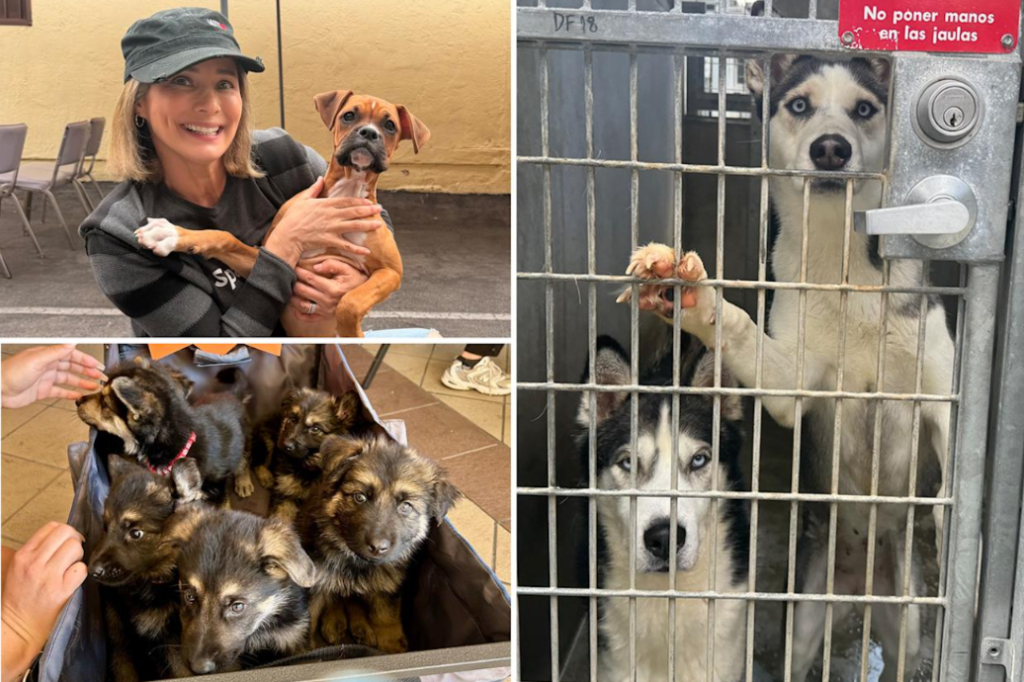
For years, they showed up when no one else would.
When animals were abandoned, injured, or left behind in impossible conditions, this small but determined pet charity stepped in.
No headlines. No spotlight. Just quiet, relentless work — rescuing animals that might not have made it otherwise.
They weren’t backed by massive funding or endless resources.
They were powered by people who simply refused to look away.
Day after day, they answered calls others couldn’t.
Dogs pulled from neglect. Cats rescued from dangerous environments. Animals who needed urgent care, shelter, and a second chance. This wasn’t occasional work — it was constant. Emotional. Exhausting.
And yet, they kept going.
Because for every life saved, it felt worth it.
But behind that lifesaving mission, pressure was building.
Operating a rescue isn’t just about compassion — it’s about logistics, funding, and navigating systems that don’t always make it easy to help.
Over time, the weight of those challenges began to grow heavier.
Still, they pushed forward.
Until one moment changed everything.
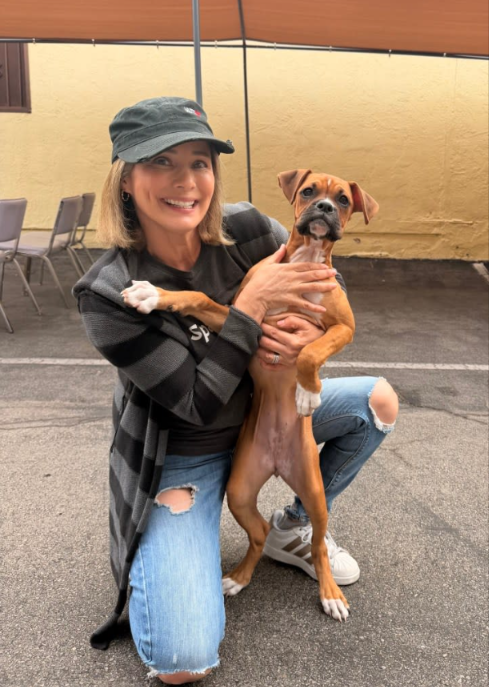
The charity was suddenly hit with a massive bill — one they hadn’t expected and couldn’t realistically absorb. It wasn’t a small setback. It was the kind of financial blow that forces impossible decisions.
Continue… and risk everything collapsing.
Or stop… and walk away from the very animals they existed to protect.
They chose to step back.
Not because they wanted to.
But because they had no other choice.
The reaction was immediate.
Volunteers, supporters, and animal lovers expressed frustration and heartbreak. Many couldn’t understand how a group dedicated to saving lives could be pushed to the point of shutting down operations.
Others, more familiar with rescue work, recognized the painful truth:
This happens more often than people realize.
Animal rescue lives in a fragile space.
It depends on donations, volunteers, and systems that don’t always align with the urgency of saving lives. One unexpected expense, one policy change, one financial strain — and everything can unravel.
Even for the groups doing the most good.
What makes this story especially difficult is what’s left behind.
Not just the organization itself — but the gap.
The calls that will go unanswered.
The animals who won’t be reached in time.
The cases that will now fall through the cracks.
Because when one rescue steps away, the need doesn’t disappear.
It grows.
For the people behind the charity, this wasn’t just a project.
It was personal.
Every animal had a face. A story. A moment where things could have gone differently — but didn’t, because someone stepped in.
Walking away from that isn’t just a logistical decision.
It’s emotional.
And yet, their impact doesn’t vanish.
Every dog they pulled from danger.
Every cat they nursed back to health.
Every life that got a second chance because they said “yes” when others couldn’t — those stories continue.
They matter.
They always will.
There’s something important this moment reveals.
Rescue work isn’t just about compassion — it’s about support.
The people on the front lines can’t do it alone. Not long-term. Not sustainably. They need backing, resources, and systems that make it possible to keep going.
Without that, even the most dedicated efforts can reach a breaking point.
And that’s the hardest part of all.
Because the people who care the most are often the ones stretched the thinnest.
In the end, this isn’t just a story about a charity that had to stop.
It’s a story about how fragile lifesaving work can be — even when it’s fueled by everything good in people.
And a quiet reminder that behind every rescue, every second chance, every life saved…
There are humans carrying the weight of it all.
Trying their best.
Hoping it’s enough.



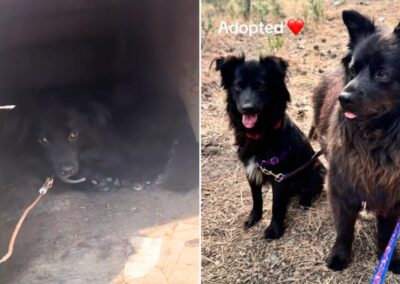
I pray that someone out there who has the ability to help do so, there are so many animals put to death because of overcrowding or limited help and resources. Please if you can. Do what you can to help, you’ll be saving lives and the rewards will be knowing you can help those that need it the most! ☺️🙏🏻💕