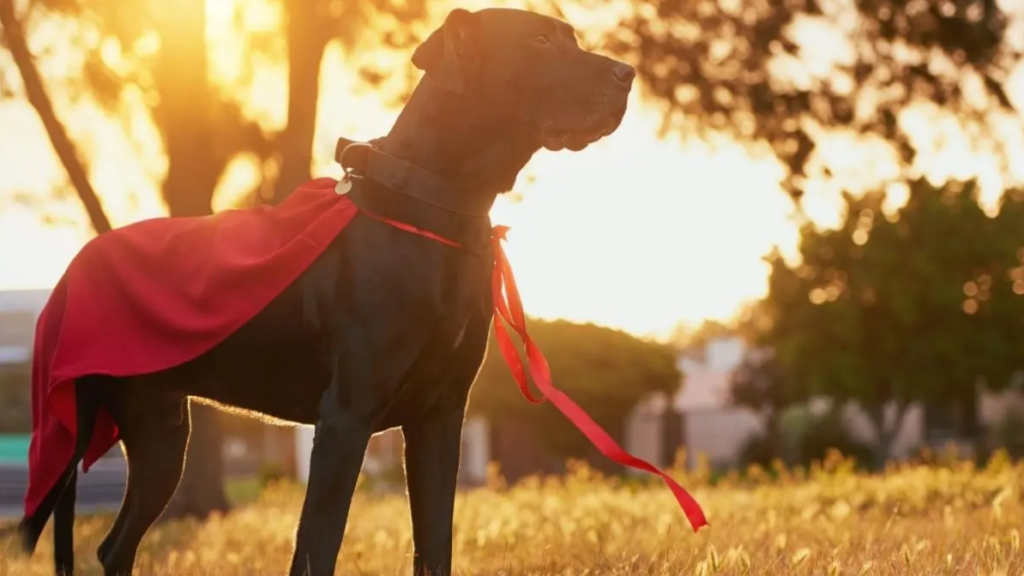
After years spent moving through scorched forests, thick bushland, and disaster zones, one extraordinary detection dog is finally stepping away from duty.
Known for his unmatched ability to locate koalas in need of rescue, this Australian working dog has officially retired after a decade of service that changed the fate of countless animals.
The dog, a koala detection specialist named Bear, was trained to use his powerful sense of smell to locate koalas hidden high in trees or injured on the ground.
Over the course of his career, he is credited with helping rescuers find and protect more than 100 koalas — many of them affected by Australia’s devastating bushfires.
His work became especially critical during the Black Summer bushfires, when vast areas of habitat were destroyed and wildlife was left vulnerable.
Bear would sweep through burned landscapes, pausing when he detected a koala, allowing rescue teams to step in and provide urgent care.
In many cases, those moments were the difference between survival and loss.
What made Bear’s work remarkable wasn’t just what he found — it was how he worked.
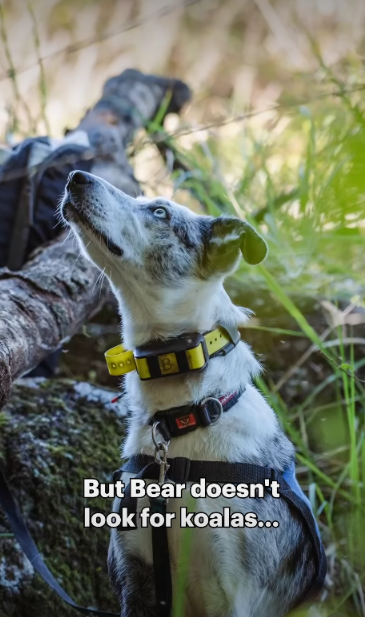
Trained through conservation programs focused on wildlife detection, he learned to identify the scent of koala fur and signal handlers by dropping to the ground at the base of a tree when he made a find.
From there, rescuers would carefully assess the animal and arrange treatment if needed.
It was precise. Efficient. And often lifesaving.
Behind his professional success, though, was a much simpler beginning.
Before becoming a conservation hero, Bear was considered too energetic and intense for a typical home.
His high drive and obsession with play made him difficult as a pet — but those same traits made him perfect for detection work.
What once looked like “too much energy” became exactly the tool needed to save wildlife on a massive scale.
Over the years, Bear became more than just a working dog.
He became a symbol of conservation effort in Australia — a living example of how animals can actively protect other species when properly trained and guided.
His work helped raise global awareness of koala conservation and the ongoing impact of climate-driven disasters on native wildlife.
He also became a quiet ambassador for hope in disaster recovery zones.
In burned forests where little remained, Bear’s searches often led to the discovery of surviving koalas clinging to isolated pockets of habitat.
Those rescues allowed veterinary teams to treat injuries, rehabilitate animals, and in many cases, eventually return them to the wild.
After a decade of service, Bear is now officially retiring.
He will spend his days with one of his former handlers, enjoying a slower life filled with comfort, routine, and plenty of his favorite activity — playing fetch.
For a dog who spent years working through chaos, the shift is intentional: from mission-driven urgency to calm companionship.
His legacy, however, will continue far beyond his retirement.
Bear’s success helped shape ongoing conservation programs that use trained detection dogs to support wildlife research and rescue efforts.
New generations of dogs are already being trained to follow in his footsteps, building on the foundation he helped establish.
And while his working days are over, his impact remains very much alive in the landscapes he once searched.
In every koala rescued because he found them.
In every handler inspired by his work.
And in every future detection dog trained because his story proved it was possible.
A decade of service.
Over a hundred koalas saved.
And now, a well-earned rest.
Bear’s job may be finished — but his contribution to Australia’s wildlife will continue to echo through every forest still standing.