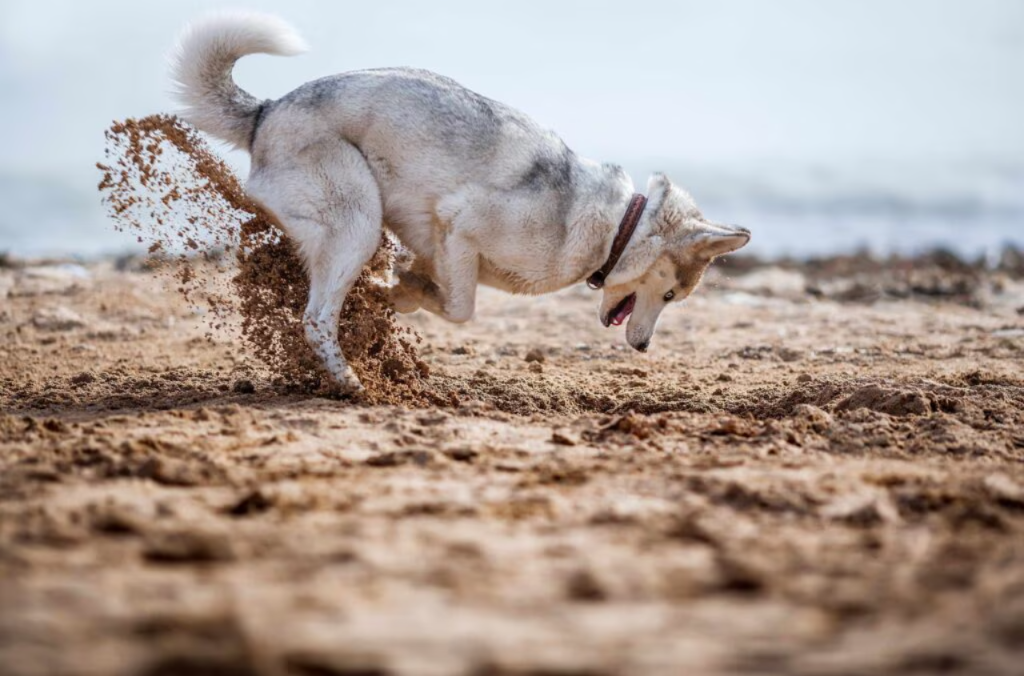
A torn-up yard. Fresh holes where there used to be grass. Dirt scattered like something happened overnight.
If you’ve ever walked outside and seen the damage, it’s easy to assume one thing:
Your dog is misbehaving.
But here’s the truth most owners miss—
Your dog isn’t trying to ruin your yard.
They’re trying to solve a problem.
And until you understand why they’re digging, nothing you do will actually stop it.
Digging Isn’t a Problem… It’s a Clue
Digging is one of the most natural behaviors dogs have. It’s wired into them—sometimes for survival, sometimes for comfort, sometimes just because it feels good.
That means when your dog digs, they’re not being stubborn.
They’re communicating.
And the first step to fixing it is figuring out what they’re trying to say.
The Real Reasons Dogs Dig
There’s no single cause. In fact, most digging behavior falls into a few key categories:
1. Boredom and excess energy
Dogs left alone too long or without enough stimulation will create their own “activity”—and digging is surprisingly rewarding.
2. Pure fun
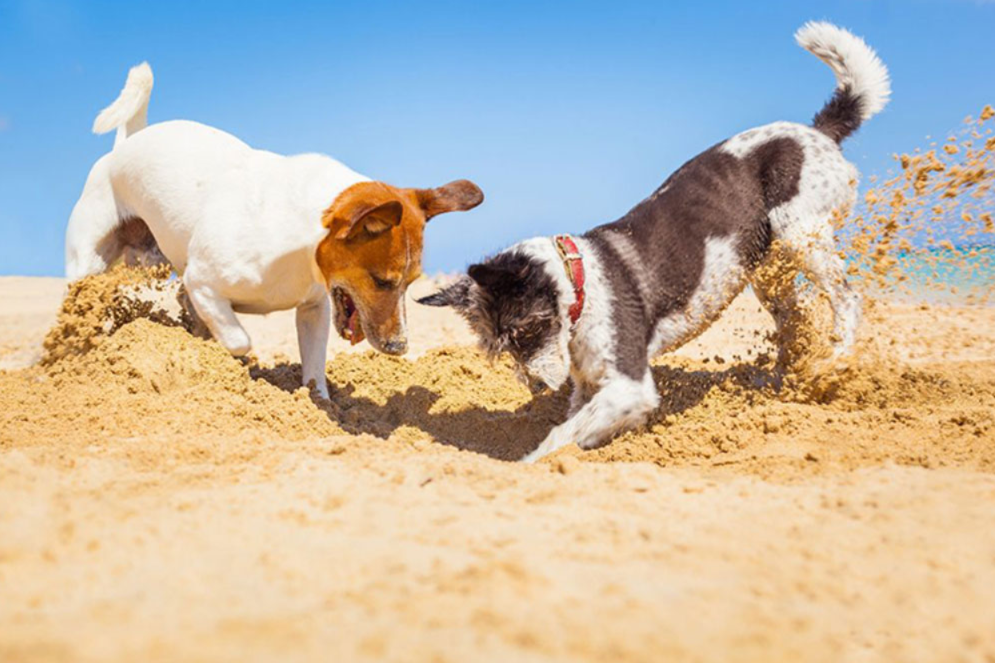
Yes, digging can simply be enjoyable. The movement of dirt, smells, and textures make it a built-in game.
3. Instinct and genetics
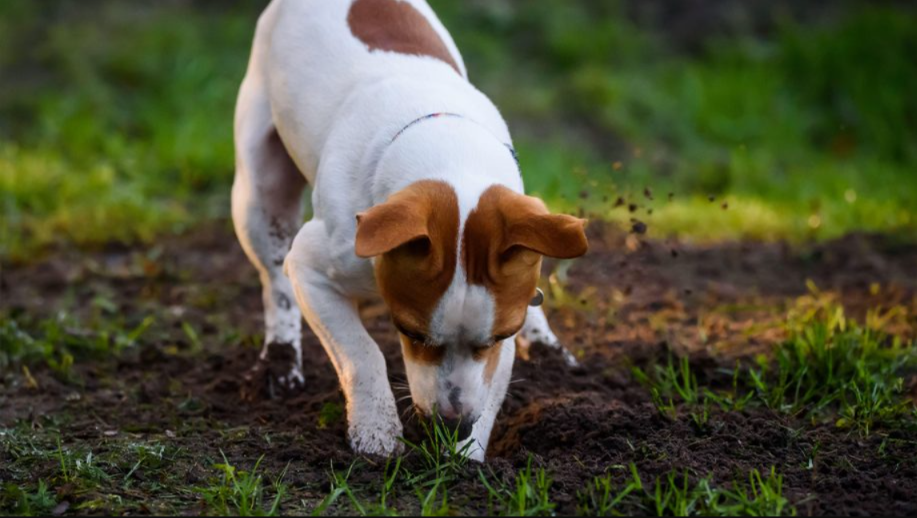
Some breeds—like terriers or dachshunds—are natural diggers, driven by hunting instincts.
4. Trying to cool down (or warm up)
Dogs may dig to reach cooler soil in hot weather or create shelter from the elements.
5. Looking for something
If your dog keeps digging in one specific spot, they might be chasing scents or small animals underground.
6. Escaping
Digging along fences is often a sign your dog wants out—whether from boredom, curiosity, or anxiety.
Once you identify the cause, everything becomes clearer.
Because now you’re not just reacting…
You’re solving.
How to Actually Stop the Digging
Here’s the part most people get wrong: you don’t “stop” digging by punishment.
You redirect it.
Because digging is self-rewarding—it feels good to your dog—so simply scolding them won’t fix it and can even damage your bond.
Instead, focus on these solutions:
1. Burn Off That Energy First
A tired dog is a calm dog.
If your dog is digging out of boredom, increase both physical exercise and mental stimulation. Think walks, fetch, training games, or scent-based activities.
Not just movement—engagement.
Because a bored mind digs.
2. Give Them Something Better to Do
Dogs don’t stop behaviors—they replace them.
Provide toys, chew items, or puzzle feeders that keep them busy when you’re not around.
If they’re entertained, they won’t go looking for “projects” in your yard.
3. Create a “Yes” Zone for Digging
This is one of the most effective strategies.
Instead of banning digging entirely, give your dog a designated digging area—like a sandbox or a specific patch of dirt.
Bury toys or treats there.
Reward them when they dig in the right place.
Now you’re not fighting instinct—you’re guiding it.
4. Fix the Environment
If your dog is digging because they’re uncomfortable, solve the root issue:
- Provide shade or cooling areas
- Limit time outside in extreme heat
- Ensure proper shelter and water
Dogs often dig simply to regulate their body temperature.
5. Remove What They’re Chasing
If your dog is hunting underground critters, no amount of training will fully stop it.
You’ll need to safely remove or deter those animals first.
Otherwise, your yard becomes a never-ending treasure hunt.
6. Block Escape Routes
For fence digging:
- Reinforce the base with rocks or barriers
- Bury fencing deeper underground
But don’t stop there—ask why your dog wants to leave in the first place.
Fix the motivation, not just the behavior.
What NOT to Do
This part matters.
Punishment—yelling, spraying, or physical correction—doesn’t teach your dog anything useful. It can increase anxiety and actually make the behavior worse.
Your dog won’t connect punishment to digging.
They’ll just connect it to you.
The Real Shift That Changes Everything
Here’s the takeaway most people miss:
Digging isn’t something to eliminate.
It’s something to understand.
Because when you stop seeing it as a problem—and start seeing it as communication—you stop fighting your dog…
…and start working with them.
And that’s when the holes stop showing up where you don’t want them.
Not because your dog changed—
But because you finally listened.