It usually starts the same way.
A normal walk.
A quiet street.
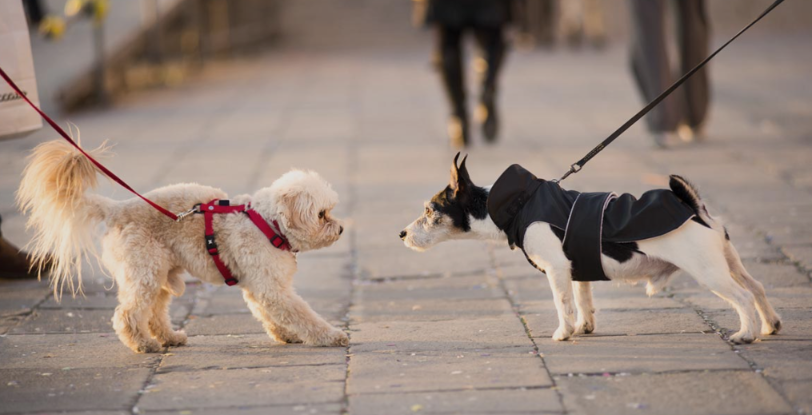
Then suddenly—another dog appears.
And your calm, loving companion transforms.
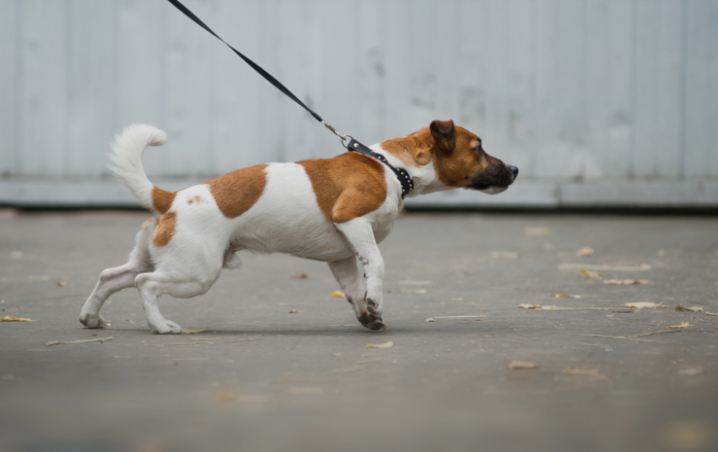
Pulling. Barking. Lunging. Completely locked onto something you can’t seem to pull them away from.
It’s frustrating.
Sometimes embarrassing.
And for many dog owners, it feels like something is “wrong.”
But leash reactivity isn’t random.
And it’s not hopeless.
In fact, once you understand what’s actually happening, everything about your dog’s behavior starts to make sense.
Leash reactivity is surprisingly common. It can show up as barking, whining, lunging, or growling toward dogs, people, bikes, or even cars.
But here’s the key:
Your dog isn’t trying to be difficult.
They’re trying to solve a problem.
Most reactive behavior comes from one of two places:
Fear… or frustration.
A fearful dog reacts because they want distance. The leash prevents them from escaping, so they switch to behaviors that create space—barking, lunging, or growling to push the trigger away.
A frustrated dog reacts for the opposite reason.
They want to get closer—but can’t.
That buildup of energy turns into explosive behavior because the leash blocks what they want most.
So what looks like aggression is often just communication.
Your dog saying:
“I’m not comfortable.”
Or—
“I can’t get what I want.”
Understanding that changes everything.
Because you’re no longer trying to “stop” behavior.
You’re teaching a better response.
The first step is identifying your dog’s triggers.
Not just “other dogs,” but specifics.
Is it large dogs? Fast movement? Eye contact? People approaching directly?
Triggers can be surprisingly detailed, and recognizing patterns helps you stay ahead of reactions instead of constantly reacting to them.
Then comes something even more important:
distance.
Every dog has a threshold—the point where they go from calm to reactive.
Too close, and they explode.
Far enough away, and they can still think.
Training happens before that threshold is crossed.
Not after.
One of the most effective approaches is simple in concept—but powerful in practice.
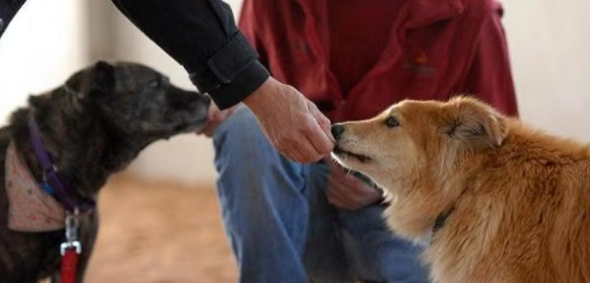
You let your dog notice the trigger… without reacting.
Then immediately redirect their attention back to you—with treats, praise, or play.
Over time, something shifts.
Instead of locking onto the trigger, your dog begins to associate it with something positive.
Something predictable.
Something safe.
Eventually, they start looking to you automatically.
That’s the goal.
Not to eliminate the trigger.
But to change what it means.
This method works because it uses what your dog already wants—distance or reward—and turns it into reinforcement for calm behavior.
And here’s where many people get it wrong:
They wait for the reaction… then try to fix it.
But once your dog is over threshold, learning stops.
At that point, the best move is simple:
create distance.
Reset.
And try again at a level where your dog can succeed.
Consistency matters more than intensity.
Small, successful repetitions build confidence.
And confidence reduces reactivity.
There are also practical adjustments that make a huge difference.
Avoid overwhelming environments while you’re training. Busy parks, crowded streets, unpredictable encounters—they stack triggers faster than your dog can process them.
Give your dog controlled experiences instead.
Set them up to win.
Another key factor?
Your own energy.
Dogs read tension through the leash. A tight grip, quick movements, or anxious breathing can amplify their stress without you realizing it.
A loose leash and calm body language can lower the intensity before anything even starts.
And one more thing that matters more than most people think:
what you don’t do.
Punishment-based tools—like choke chains, prong collars, or shock collars—don’t solve reactivity.
They suppress it.
And often make it worse.
Because if your dog already feels fear or frustration, adding pain or stress just reinforces the negative association.
What looks like improvement can actually be shutdown behavior—not real progress.
Real progress looks quieter.
Slower.
Less dramatic.
It’s the moment your dog notices a trigger… and doesn’t react.
The moment they choose to look back at you instead.
The moment a walk feels just a little easier than it did yesterday.
That’s how change happens.
Not in big breakthroughs.
But in small, repeated wins.
Because leash reactivity isn’t about having a “bad dog.”
It’s about having a dog who needs guidance in a situation that feels overwhelming.
And once they learn that they don’t have to handle it alone—
everything starts to shift.
Walk by walk.
Step by step.
Until one day, the thing that used to set them off…
just becomes part of the background.