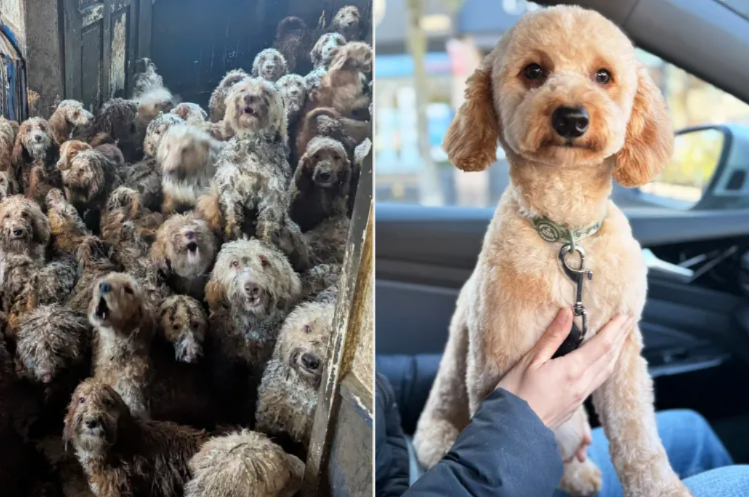
When images of a massive dog rescue first appeared online, many people didn’t believe what they were seeing.
The scene looked almost unreal—dozens upon dozens of dogs packed into a single space, rescued from what had become a severely overcrowded and unsafe environment.
So unreal, in fact, that some viewers assumed it had to be generated by artificial intelligence.
But it wasn’t.
It was real.
More than 250 dogs were discovered living in extremely poor conditions inside a single property in the United Kingdom, in what animal welfare teams described as one of the most overwhelming rescue operations in recent memory.
The situation had developed over time, gradually spiraling into something the owners could no longer manage.
According to rescuers, the number of animals and the conditions inside the home had grown out of control, creating a situation where intervention was the only option.
From that large-scale rescue, the dogs were split between organizations to ensure they could receive proper care.
The RSPCA took in 87 dogs, while the remaining animals were transferred to Dogs Trust for rehabilitation and rehoming.
What followed was a long, careful process of recovery.
Many of the dogs needed time—time to decompress, to adjust to safety, and to learn what life outside overcrowded conditions could feel like.
For some, it was their first experience of consistent care, clean space, and calm human interaction.
And slowly, that care began to change everything.
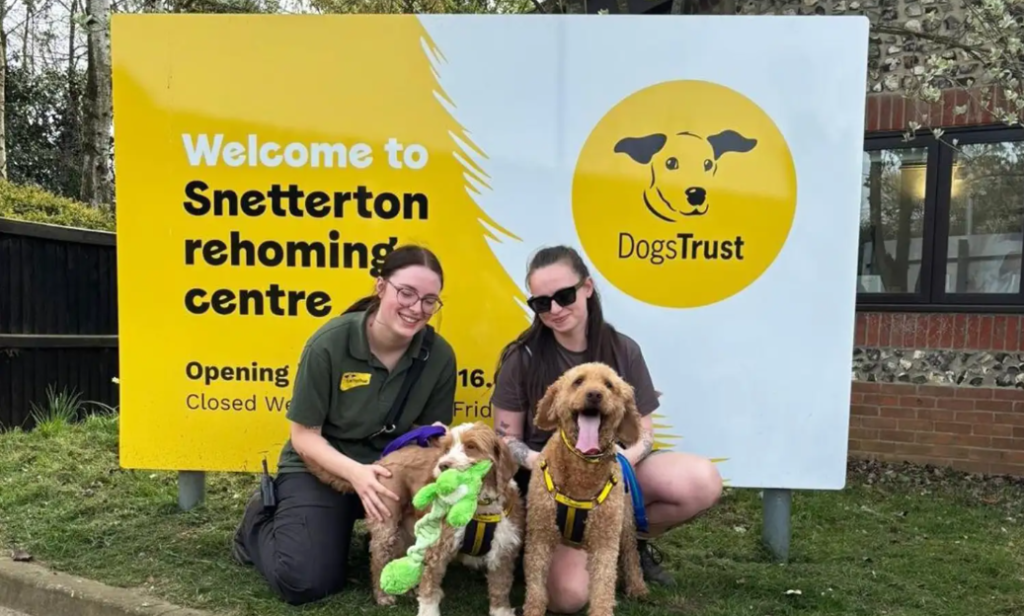
Over the months that followed, progress stories began to emerge.
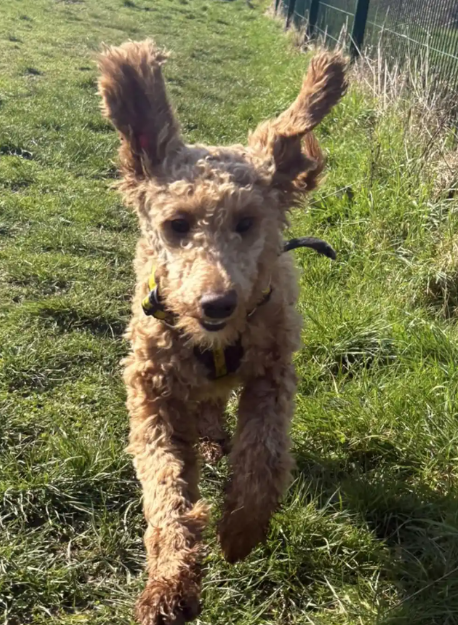
Dogs that once arrived frightened or matted were beginning to settle into foster environments and, eventually, permanent homes.
One by one, adoptions started to add up.
As of the latest update, 125 of the rescued dogs have now been successfully rehomed, including puppies born after the rescue took place.
For the teams involved, each adoption represents more than just a placement.
It represents recovery—proof that even the most overwhelming beginnings can still lead to stable, loving futures when given enough time and care.
Some of the dogs are still in rehabilitation or waiting for the right match, particularly those with behavioral or medical needs.
Not every story moves at the same pace. But the momentum is clear: progress is happening.
And behind every adoption is a larger truth about rescue work.
It doesn’t end when the dogs are removed from danger.
That’s only the beginning.
The real work starts after—when trust has to be rebuilt, when fear has to be unlearned, and when each animal has to be shown, sometimes for the first time, that safety is not temporary.
The scale of this rescue also sparked wider conversation about how quickly situations can escalate when animal numbers grow beyond control.
Officials noted that large multi-animal cases have been rising, often tied to a mix of overwhelming circumstances, breeding situations, or owners who simply reach a breaking point.
But in the middle of all that complexity, the outcome here offers something simple.
Hope.
Because 125 dogs who once lived in unimaginable conditions are now in homes where they are learning new routines, new comforts, and new versions of safety.
Some are still waiting.
Some are still healing.
But many are already living lives that, not long ago, would have seemed impossible.
And for those who doubted what they were seeing at the beginning—the overcrowded rooms, the overwhelmed rescue teams, the sheer scale of it all—there is now something undeniable to follow it.
Not just a shocking image.
But a growing number of real, living second chances.