She was left with almost nothing.
Just a bag of food.
And a place that was never meant to be permanent.
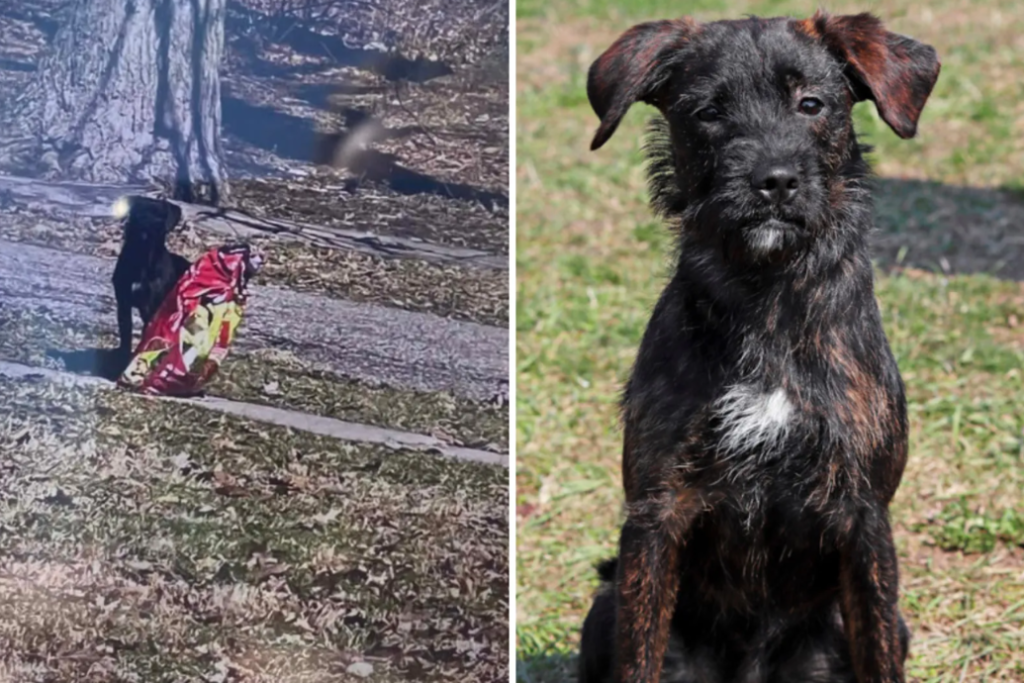
In a quiet park in Lansing, Michigan, a passerby noticed something unusual near the grass.
A dog sat still beside a single bag—carefully placed, almost like it meant something.
At first, it could have been mistaken for a brief stop. A lost leash. A forgotten moment.
But the longer she stayed there… the clearer it became.
She wasn’t waiting.
She had been left.
And still, she refused to leave the only thing that remained of whatever life she had before.
The dog, later identified as Lola Lopp, stayed close to the bag of food as if it was the only anchor she had left in the world.
When people approached, she didn’t run far.
She stayed nearby, circling the same small area, unwilling to abandon the one object tied to the moment she was left behind.
It’s the kind of detail that stops people cold.
Not just the abandonment itself—but the behavior afterward.
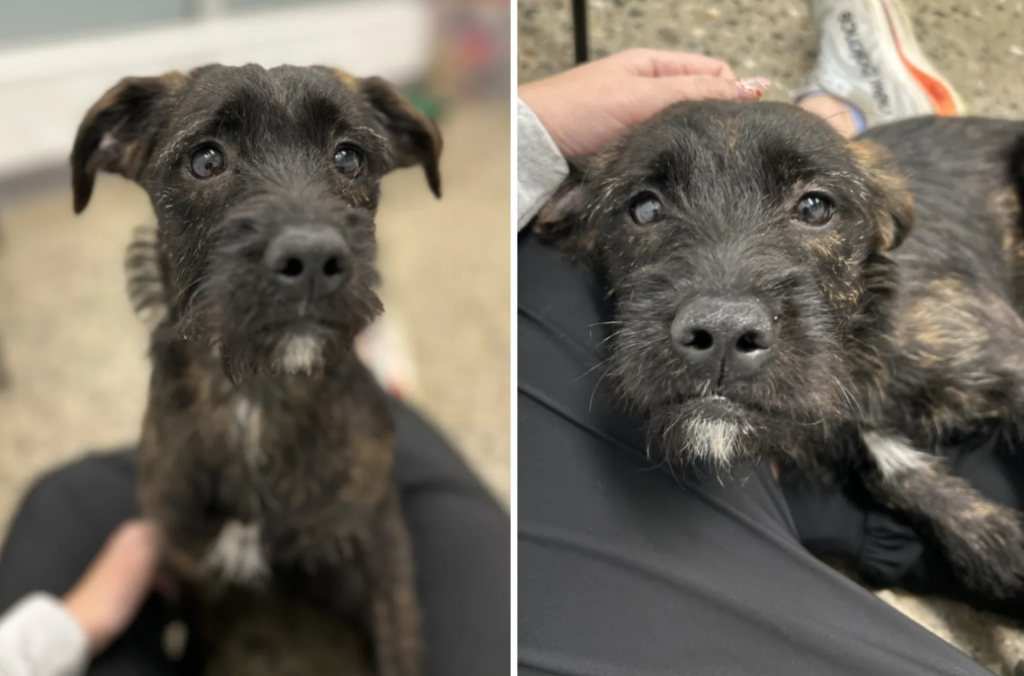
Because dogs don’t interpret situations the way humans do. There’s no narrative in their minds about being “dumped” or “discarded.”
There’s only continuity—what was there last, what feels familiar, what still smells like safety.
So she stayed.
Beside the bag.
As if waiting for the story to continue.
A kind passerby eventually spotted her and stayed nearby to make sure she was safe, alerting authorities when it became clear no one was returning.
Even then, the dog’s behavior didn’t immediately change.
Fearful and unsure, she was cautious in new environments, slow to trust, and hesitant to let go of the only stability she had left—the memory of that spot in the park.
Shelter staff later described her as overwhelmed when she first arrived. Like many dogs in similar situations, she had to learn that safety wasn’t temporary.
That food wasn’t a one-time event. That people could return—not to leave, but to stay.
And slowly, something shifted.
Once she began to feel secure, her personality started to emerge. The fear softened. The tension in her body eased.
And underneath everything she had endured, there was still something intact: a gentle, affectionate temperament waiting for the right environment to surface again.
That’s what makes stories like this linger.
Not just the image of abandonment—but what comes after it.
Because in shelters, dogs like Lola don’t stay frozen in the moment they were found. They adapt. They rebuild.
They begin to associate people with care again instead of loss.
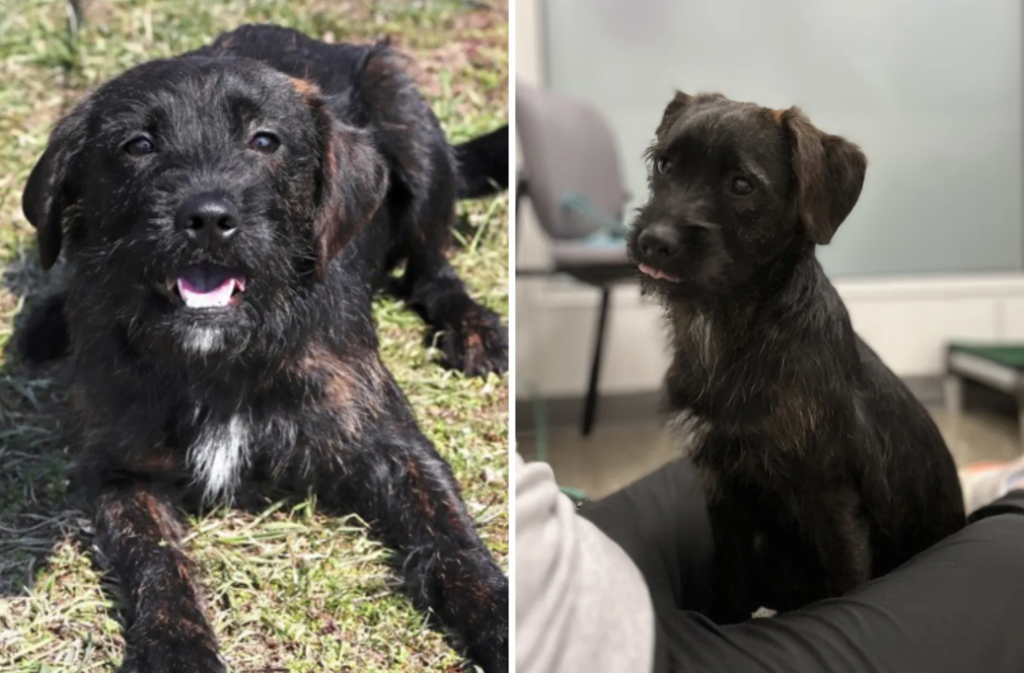
And sometimes, that transformation happens quickly. A foster placement. A quiet home.
A person willing to look past the moment they were found and see what they still are underneath it all.
For Lola, that shift began almost immediately once she was taken in.
Staff noted that while she was initially fearful, she started to relax once she understood she was safe.
Her true personality—affectionate, responsive, eager to connect—slowly came forward.
The bag of food is no longer part of her world.
But the moment it represented still matters.
Because it’s easy to assume abandonment is only about absence.
But sometimes it’s also about presence.
A single object left behind.
A dog refusing to move from it.
As if staying close might somehow keep the story from ending.
Now, her life is no longer defined by that moment in the park.
It’s defined by what came after.
Care.
Safety.
And the slow, steady realization that she doesn’t have to wait beside anything anymore…
because no one is leaving her again.