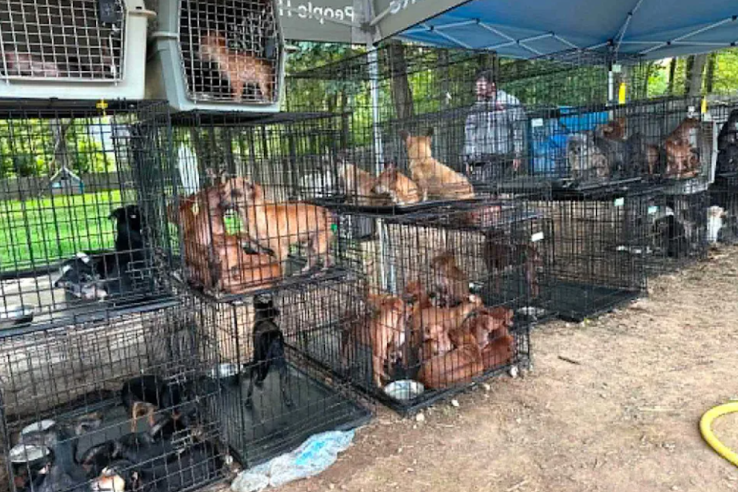
At first glance, the image was almost impossible to believe.
Dozens upon dozens of dogs appeared to be packed together inside a single living space, leaving barely enough room for them to move. The scene was so overwhelming that some people questioned whether the photograph could possibly be real.
It was.
Earlier this year, nearly 250 poodle-mix dogs were discovered living in severely overcrowded and neglected conditions at a property in the United Kingdom. What rescuers found was a heartbreaking example of how quickly an animal-hoarding situation can spiral out of control.
But amid the disturbing circumstances came something hopeful: a massive rescue effort that gave these dogs a chance to experience something many of them had never known before.
A safe place to sleep.
A Home That Became Overwhelmed
The dogs had been living together in conditions that were simply not suitable for such a large number of animals.
As the situation worsened, the property became severely overcrowded. Many of the dogs needed medical attention, grooming, behavioral support, and basic care.
Animal welfare officials say situations involving large numbers of animals are becoming an increasing concern. Cases like this can develop for complicated reasons, including personal difficulties, financial problems, and circumstances that gradually become impossible for an owner to manage.
What begins with a few animals can eventually become dozens—or, in this case, hundreds.
By the time rescuers arrived, the dogs desperately needed intervention.
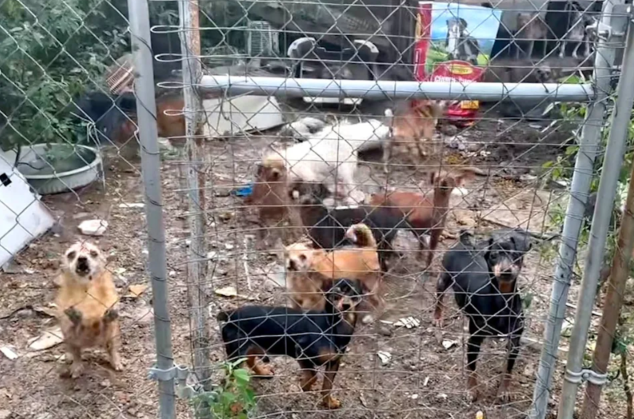
Nearly 250 Dogs Needed Help
The rescue operation involved two major animal welfare organizations.
One group took 87 of the dogs into its care, while another accepted 159. That meant hundreds of animals suddenly needed safe housing, veterinary treatment, food, grooming, socialization, and eventually new homes.
It wasn’t going to be a quick fix.
Some dogs needed extensive rehabilitation before they could even begin looking for families.
For animals who had spent much of their lives surrounded by so many other dogs, ordinary household life could feel completely unfamiliar.
A quiet room.
A soft bed.
A person offering affection.
Even these simple comforts could be brand-new experiences.
Some Dogs Needed More Than a Bath
Many of the rescued dogs arrived in poor condition.
Some had severely matted coats that needed professional grooming. Others required veterinary care and time to regain their health.
But physical recovery was only part of the challenge.
Dogs who have experienced neglect or extreme overcrowding may also need time to learn how to trust people and adjust to normal household routines.
Rescuers and foster families therefore faced the delicate task of helping each dog understand that life had changed.
There would be regular meals.
There would be clean sleeping spaces.
There would be gentle human interaction.
And most importantly, there would be no need to compete with hundreds of other dogs for attention.
Then Came Some Wonderful News
As difficult as the rescue was, the story eventually began producing happy endings.
Dogs Trust reported that 125 of the rescued dogs had been rehomed, including puppies born after some of the pregnant dogs arrived in rescue. Seven pregnant dogs from the group eventually gave birth to 37 puppies.
One of the dogs, named Kitty, arrived with heavily matted fur.
After receiving grooming and care, she began showing more confidence and quickly formed positive relationships with people.
Eventually, Kitty found a forever home.
Her transformation was a powerful reminder of what can happen when a neglected dog is finally given patience, stability, and affection.
A dog who once lived in overwhelming conditions was now sleeping comfortably and enjoying walks with her new family.
Not Every Dog Was Ready Yet
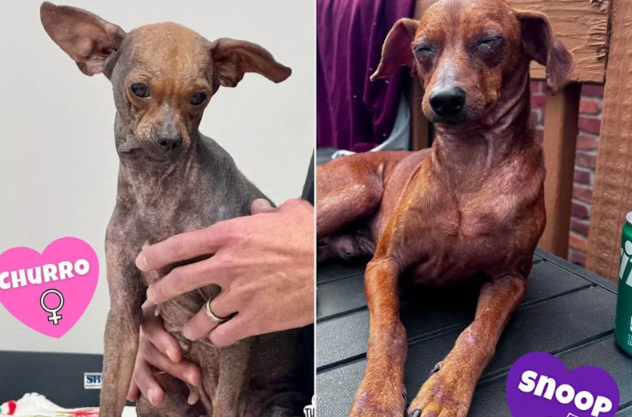
While many dogs have already found homes, the rescue journey isn’t finished.
Some of the animals still require additional behavioral support before they can safely transition into permanent homes. Others remain in the care of rescue organizations while legal matters surrounding the case continue.
That’s an important part of animal rescue that isn’t always visible in the heartwarming adoption photos.
Rescue doesn’t end when an animal leaves a bad situation.
Sometimes, that’s when the real work begins.
Veterinary treatment, grooming, training, socialization, foster care, and patient rehabilitation can take weeks or months.
A Bigger Problem Behind One Rescue
The sheer number of dogs involved in this case also highlights a broader animal-welfare concern.
Officials have reported a significant increase in multi-animal cases in England and Wales in recent years. These situations can place enormous pressure on already crowded shelters and rescue organizations.
Every rescued dog needs somewhere to go.
Every dog needs food.
Every dog needs medical care.
And every dog deserves the opportunity to eventually have a safe, loving home.
That’s why foster families, adopters, volunteers, donations, and responsible pet ownership all play such an important role.
From Overcrowded to Loved
The photographs from this rescue may be difficult to look at, but the dogs’ stories don’t have to end with the conditions they came from.
For Kitty and more than a hundred other dogs, the future already looks dramatically different.
They have traded overcrowded rooms for individual beds, fear for comfort, and uncertainty for the possibility of a permanent family.
There are still dogs waiting for that transformation.
But every adoption, every foster placement, and every helping hand brings another one closer.
And perhaps that’s the most important lesson from this heartbreaking rescue:
A dog’s past may explain where they came from, but it doesn’t have to determine where they end up.
Related posts:
 Ten Feet Down, Surrounded by Rushing Water—But Rescue Climbed the Ladder
 Senior Great Pyrenees Lets Toddler Spoon-Feed Him—and the Internet Can’t Handle It
 The Rescue Dogs Everyone Walks Past Might Be the Best Companions of All
 The Incredible Story of Antis, the Dog Who Flew Combat Missions During World War II