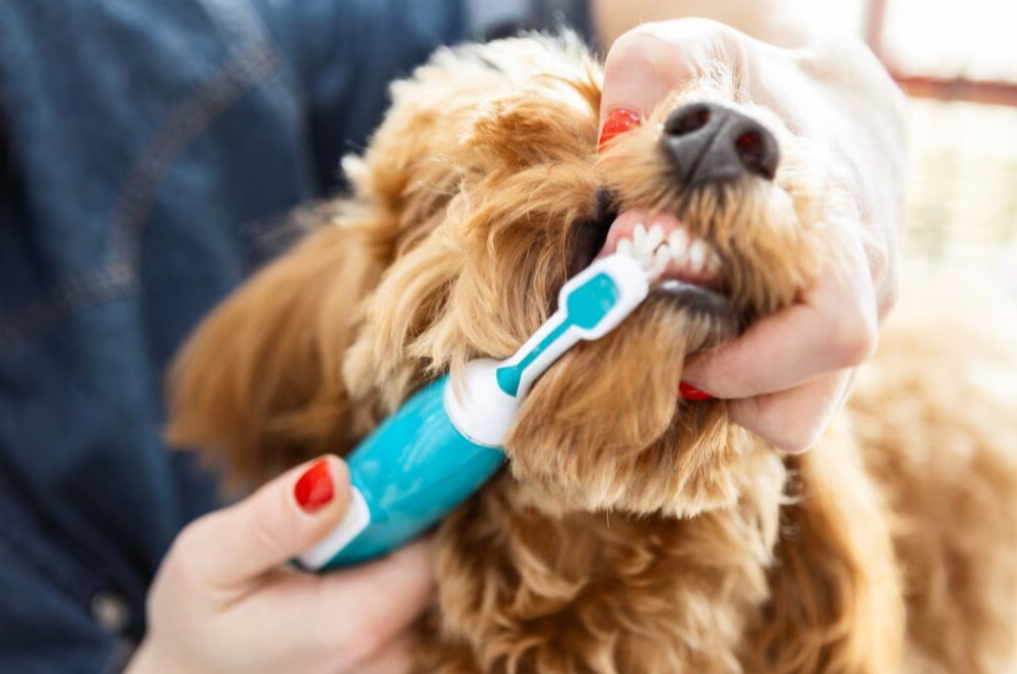
Your dog may happily give you kisses all day long, but there’s one thing you probably don’t want to ignore: what’s happening inside that mouth.
Dental care is easy to overlook. After all, dogs don’t exactly remind us when it’s time to brush their teeth. But plaque and tartar can build up surprisingly quickly, and poor oral hygiene can eventually cause painful dental problems.
The good news? Keeping your dog’s mouth healthier doesn’t have to be complicated.
A few simple habits, started early and maintained consistently, can make a big difference.
1. Make Toothbrushing Part of the Routine
Brushing is one of the most effective ways to remove plaque before it hardens into tartar.
Ideally, dogs should have their teeth brushed regularly. Daily brushing is best, but even several times a week can be helpful.
If your dog has never experienced toothbrushing, don’t immediately try to brush every tooth.
Start slowly.
Let your dog sniff the toothbrush. Allow them to taste a small amount of dog-safe toothpaste. Gradually get them comfortable with having their lips lifted and their teeth touched.
Once they’re relaxed, gently introduce brushing.
The goal isn’t to force it. You want your dog to learn that toothbrushing is simply another normal part of life.
Important: Never use human toothpaste. Some ingredients can be harmful to dogs if swallowed.
2. Choose the Right Dental Products
Walk into a pet store and you’ll find countless products promising cleaner teeth and fresher breath.
But not every dental product is created equal.
Look for products specifically designed for dogs and follow the manufacturer’s instructions. Dental chews, treats, water additives, and specially designed toys can sometimes complement a regular dental-care routine.
However, these products shouldn’t automatically replace brushing or professional veterinary care.
Think of them as additional tools—not magic solutions.
3. Give Your Dog Something Safe to Chew
Chewing is a natural behavior for dogs, and appropriate chew toys can provide some mechanical cleaning as your dog gnaws.
The key word is appropriate.
Avoid extremely hard objects that could damage or fracture teeth. A chew shouldn’t be harder than your dog’s teeth.
Choose products designed with canine dental safety in mind, and always supervise your dog when introducing a new chew or toy.
If something starts breaking apart or becomes small enough to swallow, remove it.
4. Pay Attention to Bad Breath
Dog breath is often joked about—but persistent bad breath shouldn’t simply be dismissed as normal.
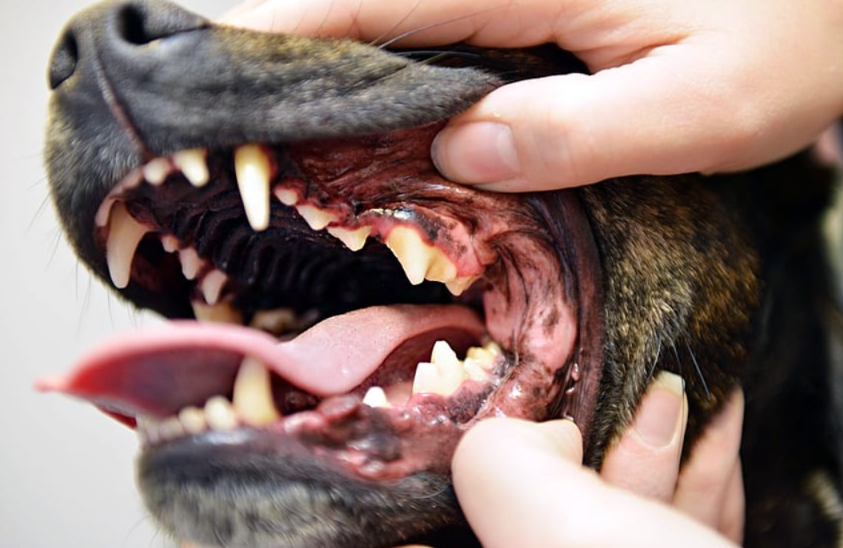
An unpleasant odor can be a sign that plaque, tartar, gum disease, or another oral problem is developing.
Take a closer look at your dog’s mouth if you notice a sudden change in breath.
You may also see red or swollen gums, yellow or brown buildup on the teeth, excessive drooling, difficulty chewing, or a reluctance to eat.
These signs deserve attention from your veterinarian.
5. Check Your Dog’s Mouth Regularly
You don’t need to be a dental expert to keep an eye on your dog’s mouth.
During routine handling, gently lift your dog’s lips and look at their teeth and gums.
You’re checking for obvious changes such as:
- Heavy tartar buildup
- Red or swollen gums
- Broken teeth
- Unusual growths
- Bleeding
- Persistent bad odor
Getting your dog comfortable with having their mouth examined can also make future veterinary dental checks much easier.
6. Don’t Skip Professional Dental Care
Even the most dedicated owner can’t always remove everything that accumulates on a dog’s teeth.
Veterinarians can examine your dog’s mouth and determine whether professional dental cleaning is necessary.
A proper veterinary dental procedure may involve cleaning above and below the gumline, where harmful buildup can hide.
Your veterinarian can also identify problems that aren’t obvious from the outside, including damaged or painful teeth.
How frequently a dog needs professional dental care varies. Age, breed, genetics, diet, chewing habits, and individual oral health all play a role.
7. Start Early—and Stay Consistent
The easiest time to establish dental habits is when your dog is young.
But if you’ve got an adult or senior dog who has never had their teeth brushed, don’t assume it’s too late.
Start gradually.
Keep sessions short. Offer praise. Use positive reinforcement. And give your dog time to adjust.
Consistency matters far more than trying to accomplish everything in one day.
A Healthy Smile Is About More Than Fresh Breath
Dental care isn’t just about making your dog’s kisses smell better.
A healthy mouth can contribute to your dog’s overall comfort and quality of life. Dental problems can become painful, and dogs aren’t always obvious about discomfort.
That’s why prevention matters.
Make toothbrushing part of your routine. Offer safe dental products when appropriate. Watch for changes in your dog’s mouth. And keep up with regular veterinary examinations.
Your dog may never understand why you’re so interested in their teeth.
But every gentle brush, careful check, and veterinary visit is one more way you’re looking after the companion who gives you plenty of reasons to smile.




Best platform for those who love fast paced action. Everything from registration to playing is very intuitive. I’m really enjoying my time at pkwc888 right now.