A simple trip to the dog park turned into something unexpectedly emotional for one rescue dog who has already lived through more abandonment than most pets ever should.
His name is Taco.
And for a brief moment—just a few seconds—he thought it was happening again.
Taco is an 8-year-old rescue dog with a difficult past.
Before being adopted into his current home, he had already experienced instability and separation, including being left behind by a previous family during a difficult period in their lives.
Those experiences left lasting emotional marks that still show up today in the form of separation anxiety.
Even in a safe home, those memories don’t fully disappear.
They just wait for the right trigger.
That trigger came during an ordinary visit to the park.
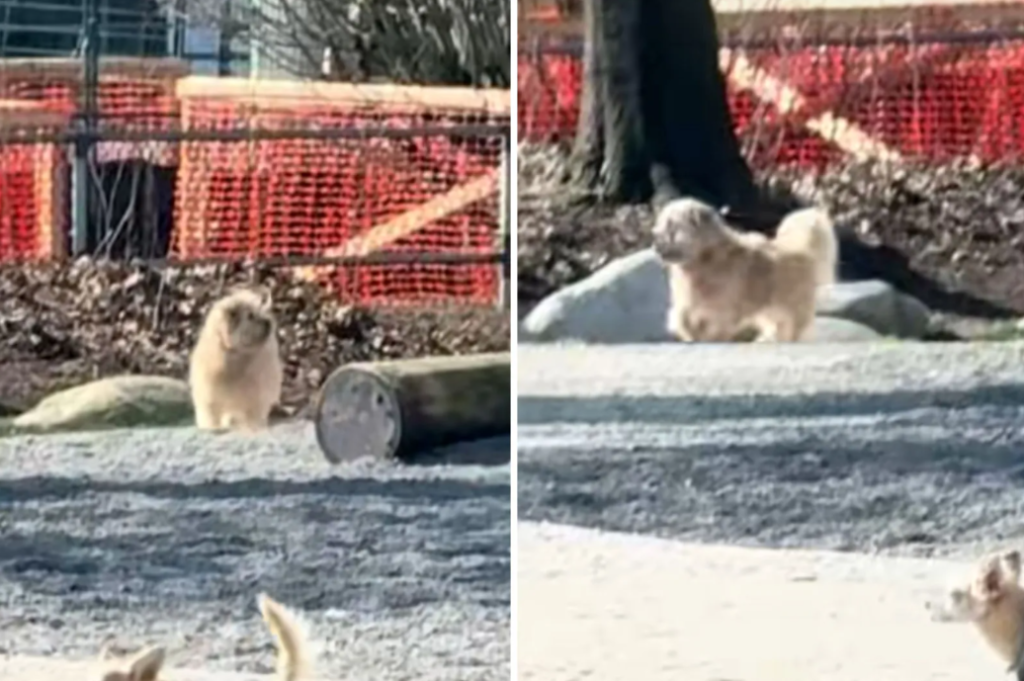
Taco was playing freely, fully engaged with the other dogs around him. For a moment, everything seemed normal—carefree even.
His owner, Alissa, was nearby, filming him enjoying the space.
But then something changed.
Taco looked up.
And couldn’t see her.
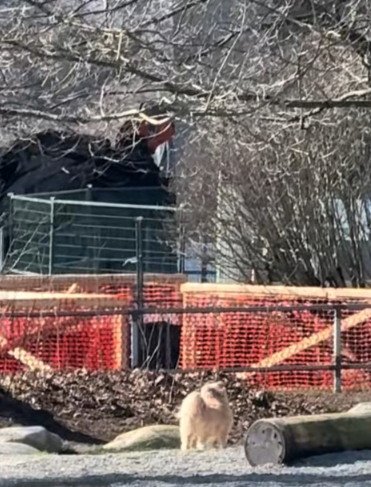
In that instant, his body language shifted completely. The playful energy dropped. Confusion set in. Then panic.
He ran toward the gate, scanning the surroundings, searching for the one thing he couldn’t locate: his person.
It wasn’t defiance or disobedience.
It was fear.
The kind that comes from memory, not the present moment.
His owner called out to him immediately, trying to reassure him. But for Taco, the fear had already taken hold.
The idea of being separated again—of being left without warning—was enough to override everything else around him.
For a few tense seconds, he was lost in that feeling.
Then he saw her.
The moment recognition clicked in, everything changed.
Taco ran straight back, relief replacing panic almost instantly. The fear didn’t linger once he confirmed she was there. It faded as quickly as it had appeared.
But he stayed close after that.
Closer than before.
As if checking, repeatedly, that she was still within reach.
That’s what makes moments like this so powerful—and so heartbreaking at the same time.
Because nothing “bad” actually happened in the present.
But something from the past briefly returned with full force.
Dogs with histories of abandonment often carry what behaviorists describe as separation-related distress.
It doesn’t always show up in obvious ways. Sometimes it’s subtle—heightened alertness, following behavior, or brief panic when visual contact is lost.
And in environments like dog parks, where space opens up and attention shifts quickly, those triggers can surface unexpectedly.
What’s important in Taco’s case is what happened after.
Not the panic.
But the recovery.
He didn’t shut down. He didn’t retreat into fear for the rest of the day.
He returned to his owner. He settled. He re-engaged—just with a little more caution, a little more closeness than before.
That shift matters more than it looks like on the surface.
Because it shows something essential: trust is still there, even if it’s fragile in moments.
His owner responded the way many experienced adopters of rescue dogs do—by staying calm, offering reassurance, and continuing the routine rather than amplifying the fear.
Over time, those responses are what help rewrite old emotional patterns.
Not instantly.
But consistently.
Online, the moment resonated deeply with viewers, especially people familiar with rescue dogs or separation anxiety.
Many recognized the look in Taco’s eyes—the sudden search, the quick shift from joy to uncertainty, the relief when safety was confirmed.
It’s a reminder that healing isn’t linear.
Even years after adoption, old experiences can surface without warning.
But so can recovery.
Because what stands out most in Taco’s story isn’t the panic itself.
It’s what came after it.
A dog who once feared being left again… choosing to return. Choosing closeness. Choosing connection, even after fear tried to interrupt it.
And in that small arc—from panic to relief to reassurance—there’s something quietly hopeful.
Not because the fear never happened.
But because it didn’t win.