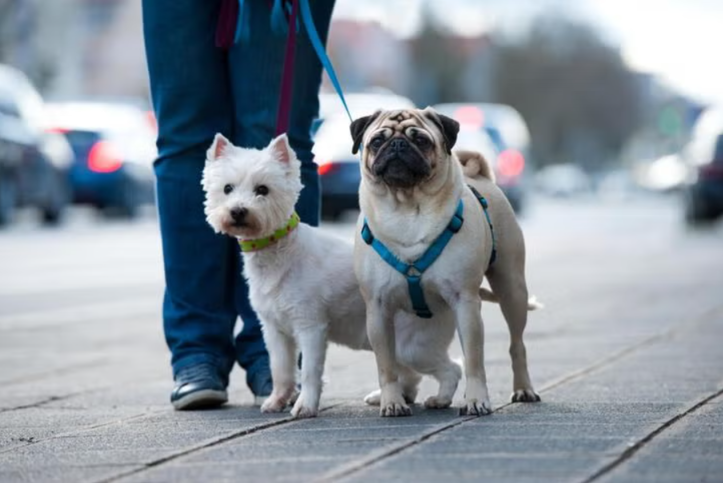
Life in the city is exciting—but for dogs, it can also be overwhelming.
Honking cars, crowded sidewalks, bicycles zipping past, tempting food scraps, noisy construction, elevators, and strangers everywhere can turn an ordinary walk into a sensory overload.
While humans quickly learn to tune out the chaos, dogs experience every new smell, sound, and movement as something worth investigating.
The good news? With the right training, your dog can become just as comfortable navigating busy streets as they are relaxing at home.
Whether you live downtown or simply plan to visit urban areas with your pup, these essential skills will help make every outing safer, calmer, and far more enjoyable.
1. Master Calm Walking
A walk through the city isn’t the place for a six-foot game of tug-of-war.
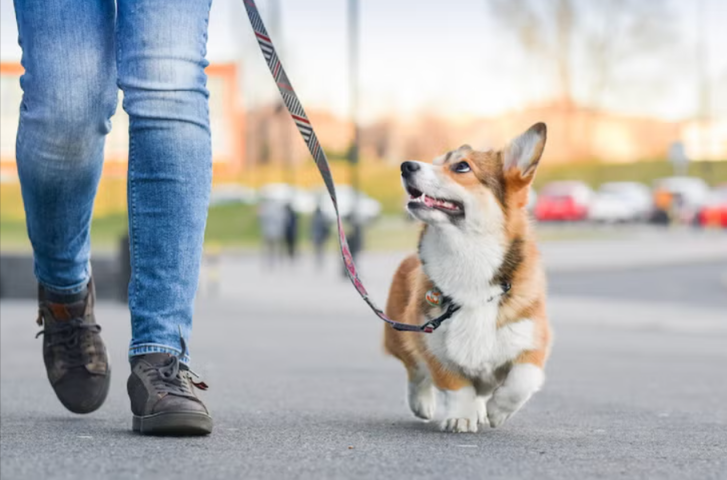
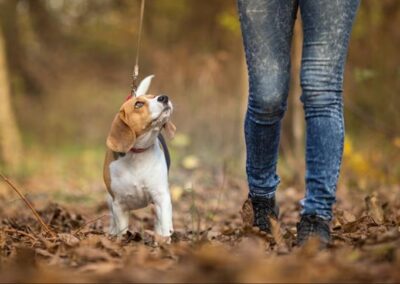
Teaching your dog to walk politely beside you is one of the most valuable skills they’ll ever learn. In crowded areas, keeping your dog close prevents accidental encounters with pedestrians, cyclists, or other dogs.
Loose-leash walking isn’t about perfection—it’s about communication. Reward your dog frequently for staying near you and checking in. Small, high-value treats can keep their attention even when distractions are everywhere.
Remember, not every person or dog wants to say hello, so teaching your dog that passing calmly is often the best option creates a much more pleasant experience for everyone.
2. Build Focus Around Distractions
Cities are packed with distractions.
A squirrel darts across the sidewalk. A skateboard rolls past. Someone drops food on the pavement. Another dog appears around the corner.
Without training, your dog may feel the need to investigate every single one.
Start by practicing attention exercises somewhere quiet, like your living room or backyard. Once your dog consistently focuses on you, slowly increase the level of distraction by visiting parks, shopping areas, or busier streets.
The goal isn’t to eliminate distractions—it’s to teach your dog that paying attention to you is always more rewarding.
3. Teach a Reliable “Leave It”
One of the biggest dangers in urban environments isn’t traffic.
It’s what’s lying on the ground.
Discarded chicken bones, wrappers, spilled food, gum, broken glass, or unknown objects can pose serious risks if your dog grabs them before you notice.
That’s why “Leave it” should be one of the first commands every dog learns.
Begin at home using treats or toys. Reward your dog every time they choose not to touch the object. Gradually make the exercises more challenging before practicing outdoors.
Eventually, your dog will learn that ignoring tempting objects leads to even better rewards from you.
4. Practice “Drop It” or “Trade”
Even the best-trained dogs sometimes grab something they shouldn’t.
Instead of chasing your dog—or trying to pull the object from their mouth—teach them that giving it up is a winning deal.
Offer something more valuable than whatever they’re holding. The moment they release the item, praise enthusiastically and reward them.
With repetition, your dog begins to think:
“Giving things back always works out in my favor.”
That simple mindset can prevent dangerous situations and eliminate stressful games of keep-away.
5. Get Comfortable on Different Surfaces
Grass isn’t the only thing beneath your dog’s paws in the city.
Metal grates, shiny floors, brick sidewalks, concrete, stairs, escalator entrances, and slippery pavement can all feel strange to dogs that haven’t experienced them before.
Some dogs hesitate, freeze, or refuse to continue walking.
Introduce these surfaces gradually.
Let your dog explore at their own pace, offering praise and treats for every successful step. Confidence grows with positive experiences, making future adventures far less stressful.
6. Potty Anywhere—Not Just on Grass
Many dogs become accustomed to doing their business only on soft grass.
In busy urban environments, grassy areas may be limited or unavailable altogether.
Teaching your dog to potty on cue can save both of you a great deal of frustration.
Practice using a consistent verbal cue whenever your dog relieves themselves. Over time they’ll associate the phrase with the action, making bathroom breaks much easier while traveling or exploring unfamiliar neighborhoods.
It’s also helpful to let your dog become comfortable relieving themselves while on a shorter leash, since space is often limited in crowded areas.
7. Prepare for Public Transportation
Even if your dog rides happily in your own vehicle, taxis and ride-share services are completely different experiences.
New smells.
Different vehicles.
Unfamiliar drivers.
Unexpected noises.
A little preparation goes a long way.
Take a few short practice rides before relying on transportation during a busy day. Encourage your dog to settle quietly at your feet and reward calm behavior throughout the trip.
Bringing along a small blanket or towel can also help your dog feel more secure while keeping the vehicle clean.
Confidence Comes From Practice
No dog wakes up knowing how to navigate a busy city.
Every calm sidewalk walk, every ignored distraction, and every successful training session builds confidence—not just for your dog, but for you as well.
The secret isn’t exposing your dog to everything at once.
It’s introducing new experiences gradually, rewarding good choices, and setting them up for success.
With patience and consistency, your dog will learn that city life isn’t something to fear.
Instead, it becomes another exciting adventure the two of you can enjoy together.
A well-trained urban dog isn’t simply obedient—they’re relaxed, confident, and able to handle whatever the city throws their way. And that’s a skill that pays off wherever life takes you.


Класний сервіс: https://kassetaua.com/ – highly recommended for everyone. [rmz]