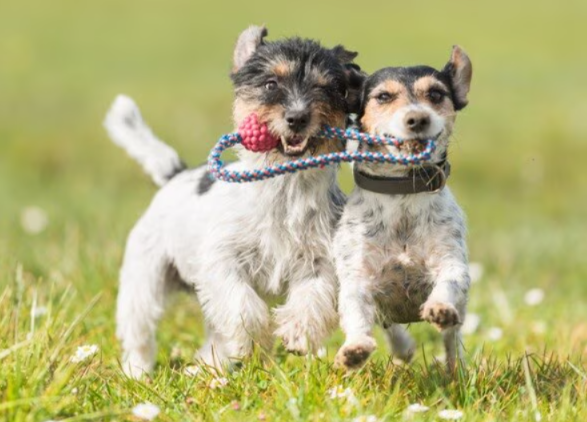
You take your dog for a walk, another pup comes around the corner, and you expect the usual happy greeting.
But instead, your dog looks away.
Maybe they pull in the opposite direction. Maybe they freeze, lick their lips, tuck their ears back, or simply seem completely uninterested. And if they bark, growl, or snap, you might start wondering whether something is wrong.
Here’s the surprising truth: your dog doesn’t necessarily need to make friends with every dog they meet.
Just like people, dogs have different personalities. Some are social butterflies who seem thrilled whenever another dog appears. Others are perfectly content keeping their distance and spending their time with their favorite humans.
The key is understanding why your dog is avoiding other dogs.
Look Beyond the Wagging Tail
A dog’s body language can reveal a lot about how they feel during an encounter.
A dog who is uncomfortable may turn their head away, move away from the other dog, lick their lips, flatten or shift their ears, or avoid making eye contact.
Some dogs may briefly approach another dog to sniff before deciding they’ve had enough and walking away.
These behaviors don’t necessarily mean your dog is being unfriendly. They may simply be communicating, “I’d rather not interact right now.”
On the other hand, barking, growling, snarling, snapping, or intense reactions can indicate fear, anxiety, frustration, or aggression.
Those behaviors deserve more careful attention because forcing a dog into an interaction when they’re already uncomfortable can make the situation worse.
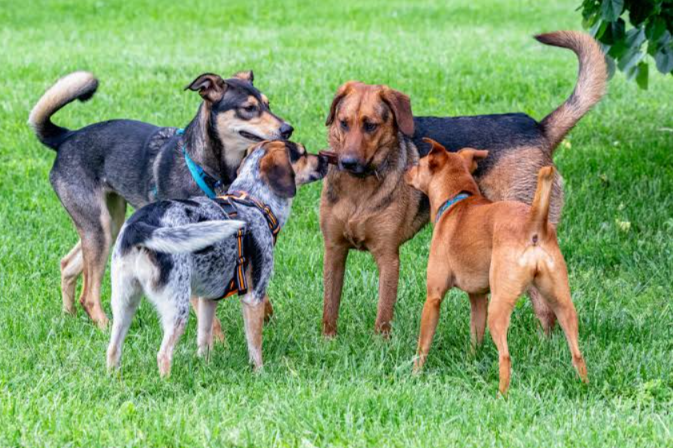
Socialization Doesn’t Mean Making Every Dog a Social Butterfly
Socialization is often misunderstood.
It isn’t about making your dog play with every animal they encounter. Instead, healthy socialization is about helping dogs become comfortable with different people, animals, environments, sounds, and experiences.
For puppies, the most important socialization period generally occurs during the first few months of life. Positive experiences during this stage can help puppies become more comfortable with unfamiliar situations as they grow.
But an adult dog who isn’t interested in canine friendships isn’t automatically poorly socialized.
Some dogs simply prefer a smaller social circle.
Think about it this way: You don’t expect every person you meet to become your best friend. Your dog shouldn’t have to either.
Don’t Force the Friendship
One of the biggest mistakes owners can make is assuming their dog needs to “get used to” other dogs by being repeatedly placed around them.
If your dog is already frightened or overwhelmed, forcing them into close encounters may increase their anxiety rather than eliminate it.
Instead, give your dog the ability to create distance.
If another dog approaches and your pup clearly isn’t interested, calmly move away. There’s nothing wrong with choosing a quieter walking route, crossing the street, or stepping aside to give your dog some breathing room.
Sometimes, the best training session is simply one in which your dog gets to observe another dog from a comfortable distance and remain calm.
Help Your Dog Build Positive Associations
If your dog seems curious about other dogs but doesn’t quite know how to interact, gentle practice can help.
Start with calm, well-mannered dogs rather than throwing your pup into a chaotic dog park. Keep encounters short and pay close attention to body language.
You can also use small, tasty treats to reward calm behavior around another dog. The goal isn’t necessarily to make your dog run over and play. Instead, you’re teaching them that seeing another dog can be a safe and positive experience.
Modern approaches to introductions also emphasize gradual exposure. For dogs meeting for the first time, parallel walking at a comfortable distance can allow them to notice each other without the pressure of a direct, face-to-face greeting.
Let the dogs determine when they’re ready to get closer.
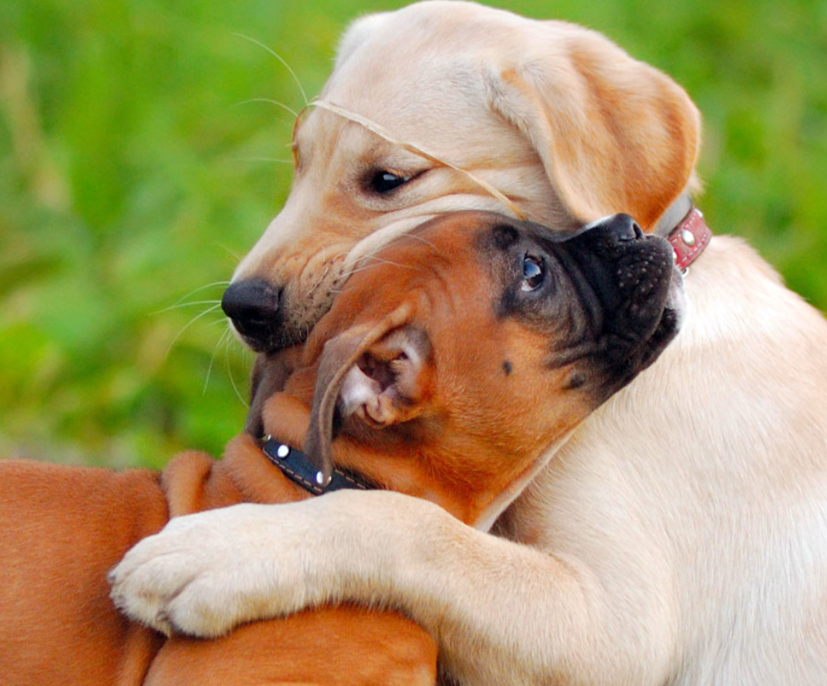
Know When Your Dog Needs Professional Help
There’s an important difference between a dog who simply prefers their own space and a dog who is genuinely distressed around other animals.
If your dog regularly reacts with intense fear, lunging, snapping, or aggression, simply exposing them to more dogs isn’t likely to solve the problem. In fact, repeated stressful encounters can make their reactions stronger.
In these situations, working with a qualified veterinary behaviorist or certified animal behavior professional can help identify what’s driving the behavior and create an appropriate plan.
Your Dog Doesn’t Have to Be Everyone’s Friend
Perhaps the most important lesson is also the simplest: respect your dog’s boundaries.
Some dogs love canine companionship. Others prefer one special dog. Some would rather spend their afternoon following their human around the house.
And that’s okay.
Your dog can have a happy, fulfilling life without greeting every dog at the park.
As long as they receive appropriate physical exercise, mental stimulation, affection, and positive social interaction with the people and animals they trust, they don’t need a huge circle of canine friends.
So the next time your dog turns away from another pup, don’t automatically think you’ve failed at socialization.
Your dog may simply be telling you exactly what they need.
And sometimes, the kindest thing you can do is listen.

Finally found a place that doesn’t lag during peak hours. The user experience is top notch. Big thanks to bdje7777 for the great service.
Quick access and great security. I feel much safer using this portal to manage my account. If you are looking for a fast way in, jlpgcasinologin is the way to go.