Food often gets all the attention when it comes to keeping our pets healthy, but there’s something just as important that many pet owners overlook—water.
Proper hydration plays a vital role in nearly every function of your pet’s body.
From regulating body temperature and supporting healthy joints to aiding digestion and transporting nutrients, water is essential for keeping dogs and cats feeling their best.
Yet many owners don’t realize their pet may not be drinking enough until dehydration begins causing noticeable problems.
The good news is that preventing dehydration is usually simple. By understanding your pet’s hydration needs and recognizing the early warning signs, you can help them stay healthy all year long.
Why Water Matters So Much
Just like people, pets rely on water for every major bodily function. It helps circulate nutrients throughout the body, cushions joints, supports muscle function, aids digestion, removes waste, and helps regulate body temperature—especially during warm weather or after exercise.
Without enough water, these systems quickly begin to suffer.
Dogs and cats lose fluids throughout the day through panting, urination, and normal body functions. During hot weather, long walks, or active play sessions, that fluid loss increases, making it even more important to replenish their water supply.
How Much Water Does Your Pet Need?
While every pet is different, a good general guideline is that most dogs and cats need about one ounce of water per pound of body weight each day.
Active pets, nursing mothers, puppies, and animals living in warmer climates may need even more. Diet also plays a role—pets eating dry kibble typically require more drinking water than those eating wet food.
Rather than obsessing over exact measurements, it’s helpful to monitor your pet’s normal drinking habits. A sudden increase or decrease in water intake can sometimes signal an underlying health issue and may warrant a visit to your veterinarian.
Signs Your Pet May Be Dehydrated
Pets can’t tell us when they’re thirsty, so it’s important to recognize the warning signs yourself.
Some of the most common symptoms include:
- Excessive panting
- Dry or sticky gums
- Sunken or dry-looking eyes
- Low energy or unusual tiredness
- Loss of appetite
- Vomiting
- Reduced skin elasticity
One simple at-home check involves gently lifting the skin between your dog’s shoulders. In a well-hydrated pet, the skin should quickly return to its normal position.
If it stays tented for several seconds, dehydration may be developing. While this isn’t a substitute for veterinary care, it can be a helpful early indicator.
Easy Ways to Encourage Better Hydration
Fortunately, helping your pet drink more water doesn’t have to be complicated.
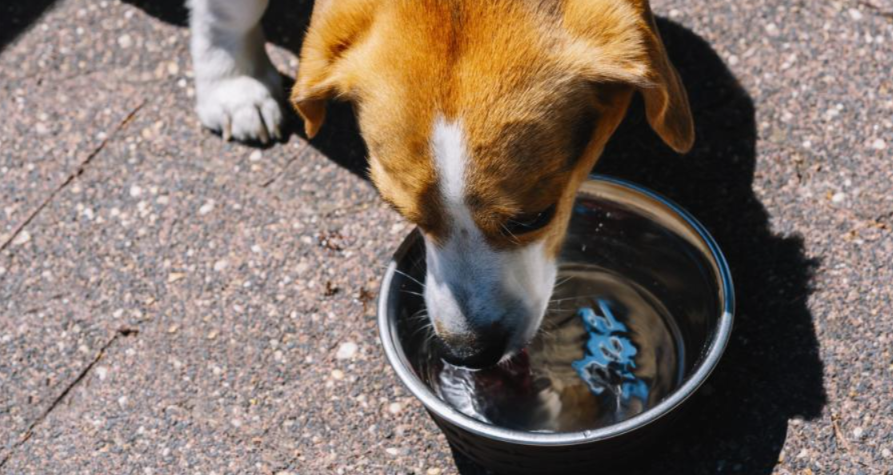
Always provide access to fresh, clean water. Empty, rinse, and refill bowls daily, as many pets are reluctant to drink stale or dirty water.
Keeping multiple water bowls around the house can also encourage pets to drink more frequently, especially in larger homes.
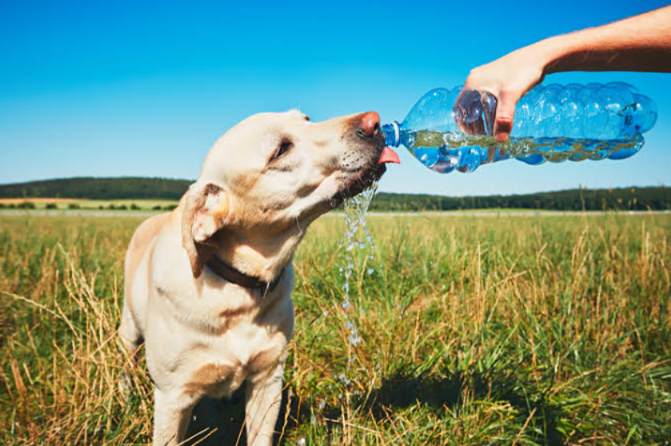
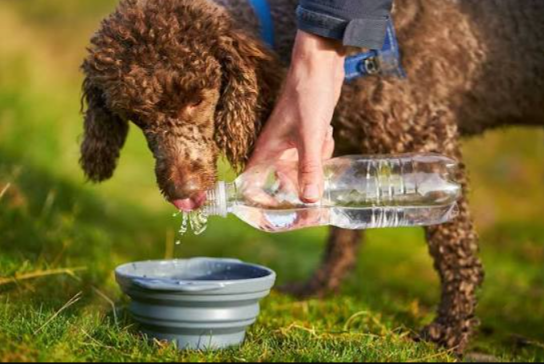
If you’re heading out for a walk, hike, road trip, or day at the park, don’t forget to pack water for your pet along with a portable bowl or travel bottle.
If you’re feeling thirsty after spending time outdoors, chances are your dog is, too. Offer small drinks during breaks instead of waiting until the outing is over.
Some pets, particularly cats, naturally drink less water than dogs. Switching to wet food or adding a small amount of water to dry kibble can increase their daily moisture intake.
Flowing water fountains may also encourage picky drinkers who prefer moving water over a still bowl.
Extra Care During Warm Weather
Summer brings extra risks for dehydration. High temperatures, humidity, and vigorous exercise can cause pets to lose water much faster than usual.
Try scheduling walks during the cooler parts of the morning or evening, provide plenty of shade when outdoors, and never leave your pet inside a parked vehicle—even for a few minutes. Fresh water should always be available before, during, and after outdoor activities.
A Simple Habit That Protects Their Health
Hydration is one of the easiest aspects of pet care to manage, yet it has one of the biggest impacts on your pet’s overall well-being.
Something as simple as cleaning a water bowl, bringing a travel bottle on walks, or paying attention to changes in your pet’s drinking habits can help prevent dehydration before it becomes a serious medical concern.
At the end of the day, keeping your furry friend hydrated isn’t just about quenching thirst—it’s about supporting every heartbeat, every playful sprint, and every tail wag.
A full water bowl is one of the simplest gifts you can give your pet, and it’s one they’ll benefit from every single day.