
Our pets depend on us for everything—from filling their food bowls to making sure they stay healthy. While it’s easy to notice when your dog wants to play or your cat is asking for dinner, many health problems develop quietly, showing little to no signs until they’ve become more serious.
That’s why an annual wellness exam is one of the most important gifts you can give your furry companion.
Think of it as a yearly health checkup designed to catch potential problems before they become major concerns. Combined with good nutrition, parasite prevention, and regular at-home care, these visits can help your pet live a longer, happier, and healthier life.
Why Yearly Wellness Exams Matter
Even if your pet seems perfectly healthy, routine veterinary visits are essential.
Dogs and cats are experts at hiding discomfort. By the time obvious symptoms appear, an illness may already be progressing. Regular wellness exams allow your veterinarian to detect subtle changes that pet owners might never notice.
During a typical checkup, your veterinarian will evaluate your pet from nose to tail, checking their eyes, ears, teeth, skin, heart, lungs, joints, and overall body condition. They’ll also ask about your pet’s daily habits, appetite, activity level, and any behavioral changes you’ve observed.
These appointments are also the perfect opportunity to discuss nutrition, weight management, exercise, and any questions you have about your pet’s overall well-being.
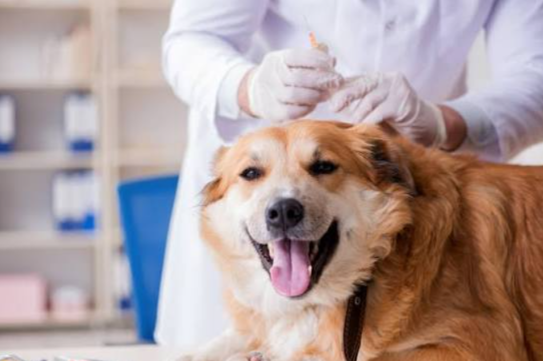
Stay Up to Date on Vaccinations
Vaccines are one of the easiest ways to protect pets from serious—and often preventable—diseases.
Your veterinarian will review your pet’s vaccination history and determine whether any boosters are needed. The right vaccine schedule depends on factors such as your pet’s age, lifestyle, travel habits, and exposure to other animals.
Keeping vaccinations current helps protect not only your own pet but also the larger pet community by reducing the spread of infectious diseases.
Don’t Let Parasites Win
Fleas, ticks, and heartworms aren’t just annoying—they can cause serious health problems.
Fleas may trigger allergic reactions and skin infections. Ticks can spread dangerous diseases, while heartworms can severely damage the heart and lungs, often before symptoms become obvious.
The good news is that prevention is far easier than treatment.
Many veterinarians recommend year-round parasite prevention using monthly oral medications or topical treatments. Even indoor pets can be exposed to parasites, making consistent protection an important part of preventive healthcare.
It’s also smart to regularly inspect your pet after outdoor adventures and keep their bedding and living spaces clean to reduce the risk of infestations.
Screening Tests Can Catch Problems Early
One of the biggest advantages of annual wellness visits is the opportunity to identify hidden health issues before they become emergencies.
Depending on your pet’s age, breed, and medical history, your veterinarian may recommend several screening tests.
Blood tests can reveal early signs of liver disease, kidney problems, infections, anemia, or hormonal disorders. Urinalysis helps evaluate kidney function while also detecting urinary tract infections and diabetes.
Dental exams are another important part of preventive care. Poor oral health doesn’t just affect your pet’s mouth—it can eventually impact major organs if bacteria enter the bloodstream.
For senior pets or those experiencing ongoing symptoms, imaging such as X-rays or ultrasound may provide valuable insight into what’s happening beneath the surface.
These routine screenings often uncover problems long before pets begin showing obvious signs of illness, giving treatment the best chance for success.
Nutrition Plays a Bigger Role Than You Think
What your pet eats today has a lasting impact on their health tomorrow.
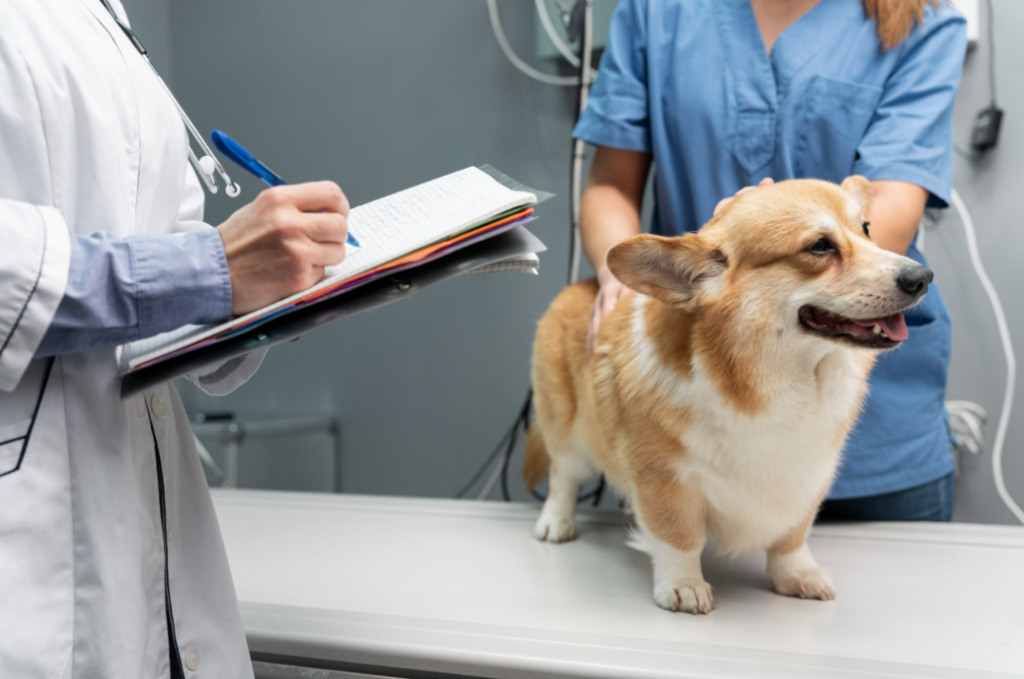
During an annual checkup, your veterinarian can evaluate your pet’s current diet and body condition to determine whether adjustments are needed.
Some pets benefit from weight management plans, while others may require diets formulated for allergies, sensitive stomachs, joint support, or aging.
Your vet may also recommend supplements that support healthy skin, shiny coats, strong joints, or digestive health.
Combined with regular exercise and mental stimulation, proper nutrition helps pets maintain a healthy weight and reduces the risk of many chronic diseases.
Healthy Habits Between Vet Visits
Annual exams are only one piece of the puzzle.
The care you provide throughout the year plays an equally important role in keeping your pet healthy.
Some simple habits can make a big difference:
- Stay consistent with monthly flea, tick, and heartworm prevention.
- Brush your pet’s teeth regularly or offer veterinarian-approved dental chews.
- Watch for changes in appetite, drinking habits, energy levels, or behavior.
- Keep vaccinations and booster schedules up to date.
- Monitor your pet’s weight and adjust feeding or exercise as needed.
Small changes in your pet’s routine can sometimes signal the earliest stages of illness, so paying attention to their normal habits is one of the best things you can do.
Prevention Is the Best Medicine
Every pet owner hopes for many happy years with their four-legged companion.
While no one can prevent every illness, regular wellness exams dramatically improve the chances of catching health issues early—often before your pet even appears sick.
Combined with preventive medications, proper nutrition, dental care, and a healthy lifestyle, annual veterinary visits create a strong foundation for lifelong health.
After all, the goal isn’t simply treating disease—it’s helping your pet stay active, comfortable, and by your side for as many years as possible. A little preventive care today can make a lifetime of difference tomorrow.