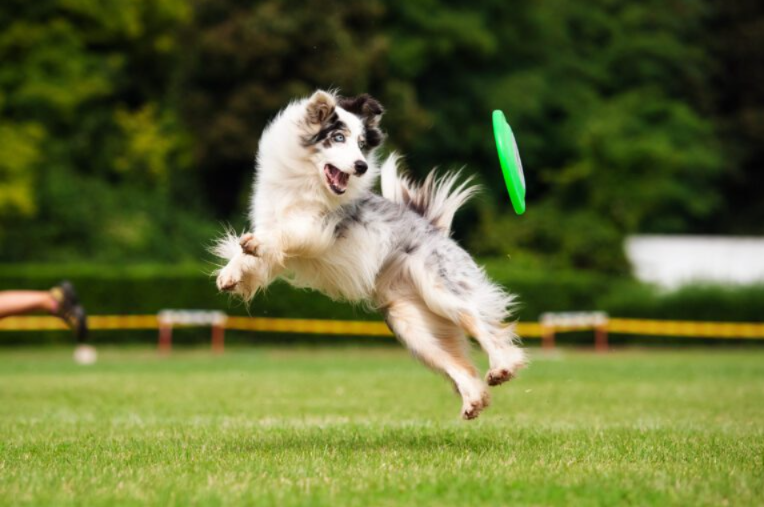
Is your dog getting enough exercise every day?
You might think a quick walk around the block is all your pup needs. But depending on their age, breed, size, energy level, and overall health, some dogs may need considerably more activity to stay happy and healthy.
Exercise isn’t just about burning off extra energy. Regular activity helps dogs maintain a healthy weight, supports their joints, keeps their minds engaged, and can even prevent some of the frustrating behaviors that happen when a dog is bored.
The trick is figuring out what works for your dog.
How Much Exercise Does a Dog Need?
There isn’t one magic number that applies to every dog.
As a general guideline, many dogs benefit from somewhere between 30 minutes and two hours of physical activity each day. High-energy dogs may need considerably more, while senior dogs or dogs with certain health conditions may require shorter, gentler activities.
Your dog’s breed can also make a huge difference.
A Border Collie, for example, was bred to work and may be looking for a job long after an ordinary walk is over. A lower-energy companion may be perfectly content with a leisurely stroll and some playtime at home.
Age matters, too. Puppies may seem like they have endless energy, but they also need plenty of rest while their bodies develop. Older dogs may benefit from low-impact activities rather than intense running or jumping.
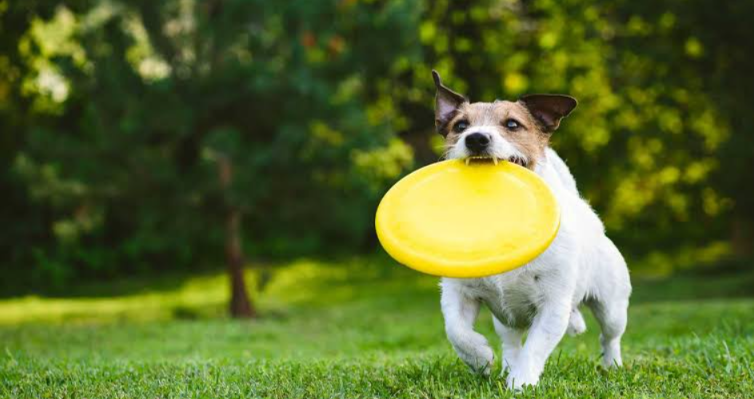
Different Dogs, Different Exercise Needs
Your dog’s breed can give you clues about the activities they’ll enjoy most.
Working breeds such as German Shepherds, Border Collies, and Siberian Huskies often thrive when exercise includes a mental challenge. Agility, obedience training, and activities that give them a job can help prevent boredom.
Herding breeds such as Australian Shepherds and Shetland Sheepdogs often love games that involve movement and problem-solving. Fetch, interactive games, trick training, and activities that allow them to use their natural instincts can be excellent choices.
Sporting breeds, including Labradors and Golden Retrievers, often love games such as fetch and swimming. Dog sports can also provide an outlet for their enthusiasm.
Hounds have powerful noses and can become fascinated by interesting scents. Scent games, tracking activities, and sniffing adventures can give these dogs both physical exercise and mental stimulation.
And don’t underestimate terriers. These energetic little dogs often enjoy chasing, digging, and games that allow them to use their natural instincts.
The goal isn’t simply to make your dog tired. It’s to give them activities that suit who they are.
Exercise Is Good for the Body—and the Brain
A healthy exercise routine can do much more than help your dog maintain a healthy weight.
Regular movement supports cardiovascular fitness and can help keep muscles strong. Appropriate activity may also benefit joint health and help older dogs maintain mobility.
But there’s another important piece of the puzzle: mental stimulation.
A bored dog may look for entertainment on their own, and that can sometimes mean chewing furniture, digging holes, barking excessively, or getting into things they shouldn’t.
Exercise gives them a productive outlet.
It can also strengthen the bond between you and your dog. Every walk, game of fetch, training session, or outdoor adventure gives you another opportunity to spend quality time together.
You Don’t Need a Huge Backyard
Think your dog needs a massive yard to get enough exercise?
Not necessarily.
There are plenty of ways to keep a dog active indoors.
Try creating a simple obstacle course using safe household objects. Play hide-and-seek and encourage your dog to find you. Food puzzles and treat-dispensing toys can also make your dog work for their rewards while keeping their brain occupied.
When the weather cooperates, the possibilities expand.
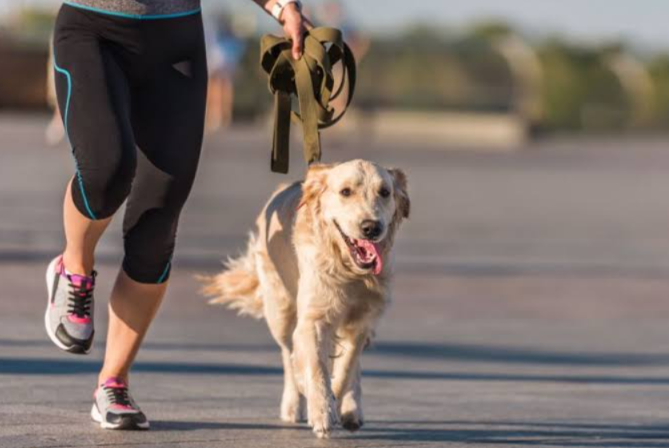
Daily walks are an excellent starting point. Fetch can help energetic dogs burn off steam, while swimming can provide a low-impact workout for dogs who enjoy the water.
Agility, disc games, flyball, and other dog sports can also turn exercise into an exciting activity your dog looks forward to.
Pay Attention to Your Dog
More exercise isn’t always better.
If your dog is a puppy, senior, overweight, recovering from an injury, or dealing with a health condition, their exercise routine may need to be adjusted.
Watch how your dog responds. Excessive fatigue, difficulty keeping up, reluctance to move, or other unusual changes can be signs that an activity is too demanding.
When introducing a new or more intense exercise routine, it’s smart to check with your veterinarian first, particularly if your dog has an existing health concern.
Make Movement Part of Everyday Life
The best exercise routine is one you and your dog can actually maintain.
It doesn’t have to mean spending hours running every day. A combination of walks, play, training, sniffing games, and mental enrichment can keep your dog active without making exercise feel like a chore.
And remember: your dog doesn’t necessarily need the same workout every day.
Mix things up.
Take a different walking route. Hide treats around the house. Practice a few new tricks. Play a game of fetch. Let your dog stop and sniff during a walk.
These small changes can make everyday activity much more exciting.
At the end of the day, exercise isn’t simply about creating a tired dog.
It’s about creating a healthier, happier, more fulfilled companion.
So grab the leash, pick a game, or simply get off the couch together. Your dog may be waiting for their next adventure.