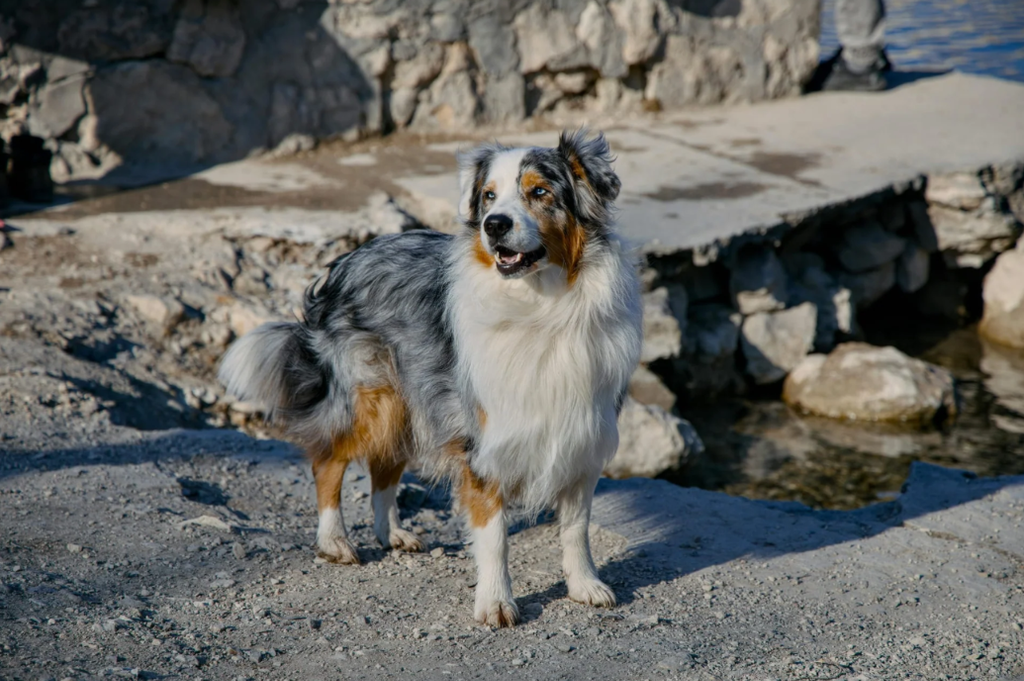
There’s something special about running your fingers through your dog’s soft, healthy coat.
That beautiful shine, those fluffy ears, and the way their fur feels after a good brushing are all part of what makes having a dog so wonderful.
But what happens when that once-beautiful coat starts looking dull? Maybe your dog is scratching more than usual. Perhaps their skin feels dry, their fur looks brittle, or you’re finding more loose hair around the house than ever before.
These changes aren’t always just cosmetic.
Your dog’s skin and coat can reveal a lot about their overall health. Nutrition, allergies, parasites, and grooming habits can all influence how healthy their fur looks and feels.
The good news? A few simple habits can go a long way toward keeping your furry companion comfortable and looking their best.
Here are five ways to make skin and coat care easier.

1. Start With What’s Inside Your Dog’s Food Bowl
A beautiful coat doesn’t begin with an expensive shampoo or fancy grooming appointment.
It starts with good nutrition.
Your dog’s skin and fur need a balanced supply of essential nutrients to stay healthy. When their diet doesn’t provide the right nutritional support, you may notice changes such as dry skin, dull fur, excessive shedding, or irritated patches.
Look for a complete and balanced dog food appropriate for your pet’s age, size, and individual needs.
Omega fatty acids are particularly important because they help support healthy skin and maintain a soft, shiny coat.
Some dogs also experience food sensitivities that can contribute to itching, skin irritation, and changes in coat condition.
If you suspect your dog’s food might be causing a problem, don’t start switching ingredients randomly. Talk with your veterinarian about identifying possible sensitivities and choosing an appropriate diet.
Remember, a healthy coat begins with taking care of your dog’s nutritional needs.
2. Give Their Skin Some Extra Support With Omega Fatty Acids
Ever wonder why fish oil is often mentioned when people talk about healthy dog skin?
There’s a good reason.
Omega-3 and omega-6 fatty acids play important roles in maintaining normal skin function and supporting a healthy coat.
Fish oil supplements can provide additional omega fatty acids, particularly when a dog’s regular diet needs extra nutritional support.
Some skin and coat supplements also contain ingredients such as vitamin E and biotin.
These nutrients help support normal skin health and coat condition.
However, more isn’t always better. Supplements should complement a balanced diet rather than replace it.
Before adding fish oil or another supplement to your dog’s routine, check with your veterinarian about the appropriate product and amount.
A little nutritional attention can help support the healthy skin and beautiful fur every dog deserves.
3. Don’t Ignore Seasonal Allergies
If your dog suddenly can’t stop scratching, allergies may be one possible explanation.
Just like people, dogs can react to environmental allergens such as pollen, grasses, dust, and other substances around them.
Sometimes the signs are easy to miss.
You might notice your dog licking their paws repeatedly, rubbing their face against furniture, scratching their ears, or developing irritated patches of skin.
Seasonal allergies can make an otherwise happy dog extremely uncomfortable.
Keeping your home clean, washing your dog’s bedding regularly, and wiping their paws after outdoor activities may help reduce exposure to certain irritants.
Some dogs may also benefit from veterinarian-recommended allergy management or nutritional support.
If itching becomes persistent, causes hair loss, or leads to sores, arrange a veterinary examination. Skin irritation can have several causes, and treating the wrong problem won’t bring lasting relief.
Your dog shouldn’t have to spend the day scratching just to feel comfortable.
4. Make Flea And Tick Prevention A Priority
Few things can ruin a dog’s day faster than fleas and ticks.
These tiny pests can cause significant discomfort, especially when an infestation leads to repeated biting and scratching.
Fleas can trigger intense itching and allergic skin reactions in sensitive dogs. Ticks can also transmit diseases, making prevention an important part of responsible pet care.
Fortunately, there are several preventive options available.
Depending on your dog’s needs, your veterinarian may recommend topical treatments, oral medications, or other appropriate flea and tick prevention products.
It’s important to choose protection based on your dog’s age, weight, health, and lifestyle.
Don’t assume that every product is suitable for every pet.
Also, remember that flea prevention involves more than treating your dog. Regularly cleaning bedding, vacuuming carpets, and maintaining your dog’s living areas can help reduce the risk of recurring infestations.
A little prevention can save your furry friend from a whole lot of itching.
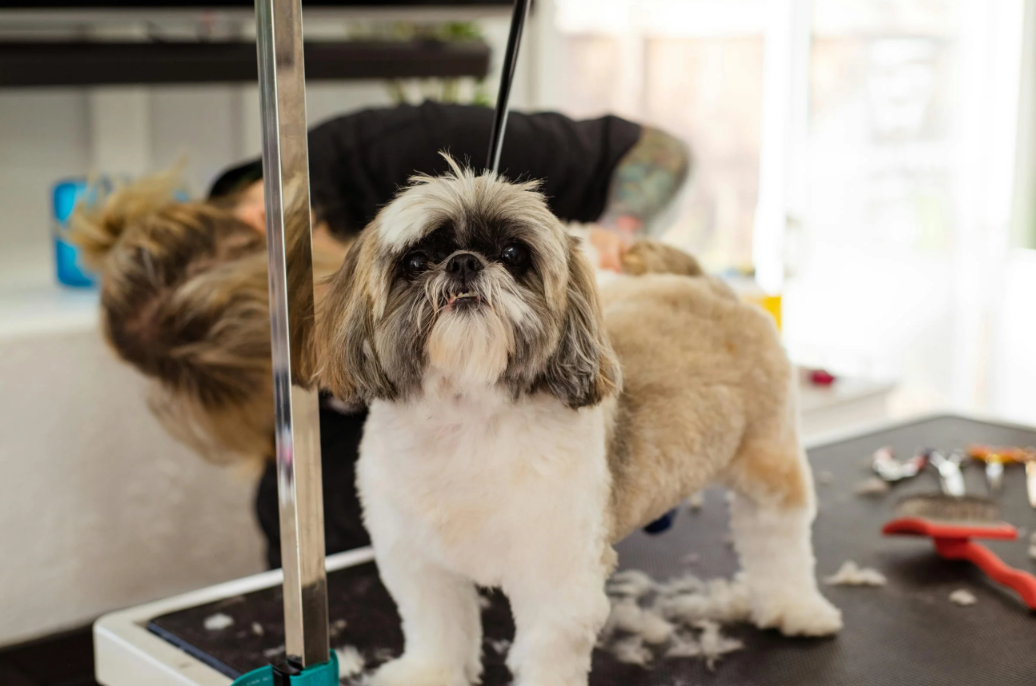
5. Turn Grooming Into A Regular Routine
Here’s one of the easiest ways to support your dog’s skin and coat: Make brushing part of their everyday life.
Regular brushing does more than remove loose hair.
It helps distribute natural oils throughout the coat, removes dirt, and prevents tangles from developing into uncomfortable mats.
For dogs with longer or thicker fur, brushing is especially important because trapped moisture and tangled hair can contribute to skin irritation.
Bathing is another important part of grooming, but dogs don’t need to be washed constantly. Their bathing schedule should depend on their coat type, activity level, and individual skin needs.
Use shampoos specifically formulated for dogs, and avoid products that may irritate their skin.
And here’s a little trick: Make grooming enjoyable!
Start slowly, offer plenty of praise, and reward your dog with treats when they cooperate.
Over time, brushing can become something your dog looks forward to instead of something they try to escape.
A Healthy Coat Is More Than Just Good Looks
Your dog doesn’t care whether their fur looks perfect in photographs.
What matters most is feeling comfortable in their own skin.
A healthy coat is often supported by several everyday habits working together: proper nutrition, appropriate supplements when needed, allergy management, parasite prevention, and consistent grooming.
Pay attention to changes in your dog’s skin and fur. Persistent itching, unusual hair loss, redness, sores, or recurring irritation deserve attention from your veterinarian.
After all, your dog depends on you to notice the little things they can’t tell you themselves.
And sometimes, the simplest acts of care make the biggest difference.
A few extra minutes with a brush, a thoughtful look at their food, or a routine check for fleas and ticks can help your best friend stay comfortable, healthy, and ready for plenty more belly rubs.