You throw the ball.
Your dog watches it bounce across the yard.
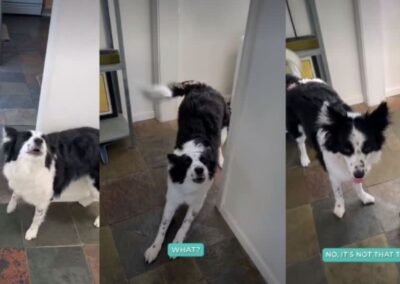
Then, instead of chasing after it, your furry companion looks at you as if to ask, “What exactly am I supposed to do with that?”
Sound familiar?
While some dogs seem born knowing how to play fetch, others need a little encouragement before they understand the game.
Some chase the ball but refuse to bring it back, while others grab their favorite toy and run in the opposite direction.
The good news? Fetch is a skill many dogs can learn with patience, encouragement, and the right approach.
And once your dog catches on, this simple game can become one of your favorite ways to spend time together.
Start With A Toy Your Dog Actually Loves
Before teaching your dog to fetch, you need to find something worth chasing.
Not every dog gets excited about tennis balls. Some prefer squeaky toys, plush animals, ropes, or balls that bounce unpredictably.
Try a few different options and see which one catches your dog’s attention.
Make sure the toy is appropriately sized and durable enough for your dog. Avoid small objects, loose strings, ribbons, and pieces that could be swallowed.
Once you’ve found a favorite, keep it somewhere special and bring it out when it’s time to play. This can help make the toy more exciting.
Make The Toy Interesting
If your dog isn’t naturally interested in chasing toys, don’t immediately throw one across the yard.
Instead, make the toy look exciting.
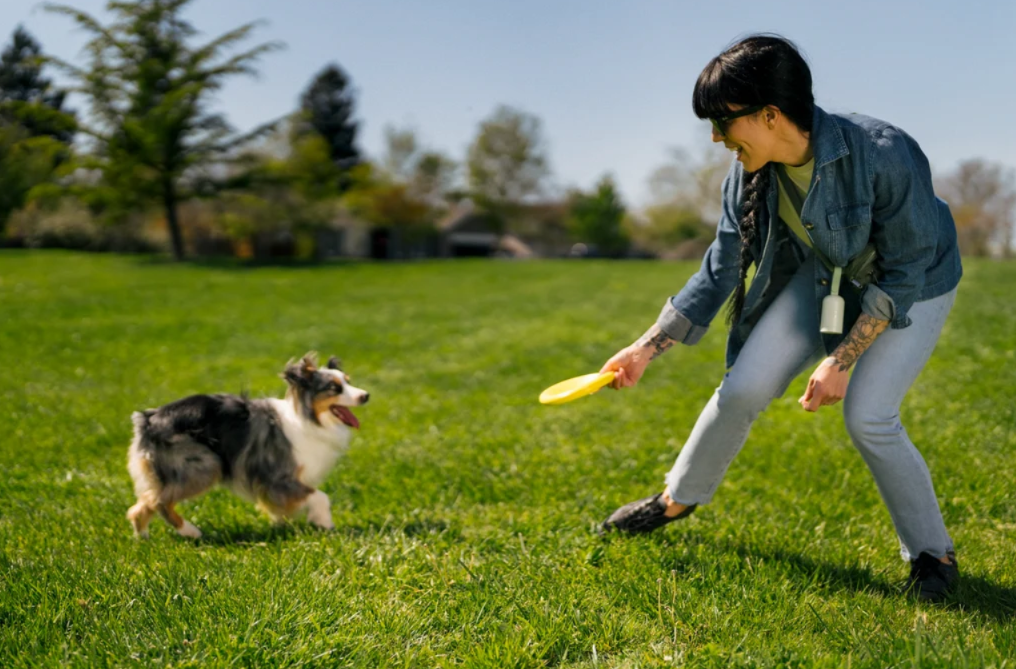
Move it along the ground, gently bounce it, or pull it around to encourage your dog to investigate. Think of how a small animal might move. Those unpredictable movements can awaken your dog’s natural desire to chase.
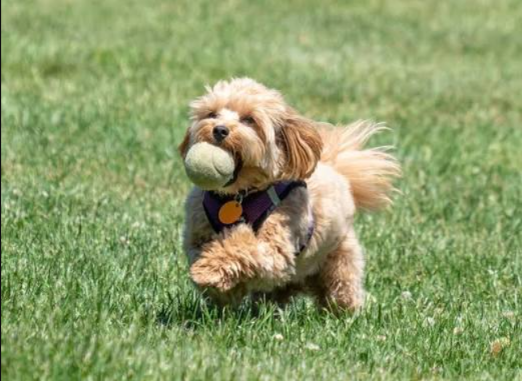
When your dog finally grabs the toy, let them enjoy it.
You can gently play tug-of-war for a moment, allowing your pup to experience the excitement of holding onto something they worked to catch.
The goal is simple: Make your dog believe that playing with this toy is the best part of the day.
Teach Your Dog To Bring The Toy Back
Now comes the part that many dog owners struggle with.
Your dog chases the toy, picks it up, and then happily runs away with it.
Suddenly, fetch turns into a game of keep-away!
Rather than chasing your dog, try moving in the opposite direction.
Squat down, clap your hands, make cheerful noises, and encourage your dog to follow you. Many dogs naturally become curious when their favorite person moves away.
When your dog approaches with the toy, reward the behavior with praise and excitement.
You can even briefly play tug with the toy before taking it back and throwing it again.
This helps your dog understand that bringing the toy to you doesn’t mean the fun is over. In fact, it’s what makes another round possible.
Add The Word “Fetch”
Once your dog consistently chases the toy, picks it up, and brings it back, you can introduce a verbal command.
Say “fetch” just before throwing the toy.
With repetition, your dog will begin connecting the word with the activity.
You can also gradually introduce other commands, such as “sit” before throwing and “drop it” when your dog returns.
Just remember not to overwhelm your pup with too many instructions at once.
Learning should feel like play, not a complicated obedience examination.
Gradually Make The Game More Challenging
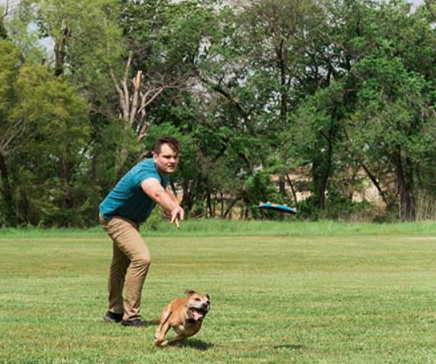
Once your dog understands the basics, start throwing the toy slightly farther away.
As your pup becomes more confident, you can experiment with different locations, such as a fenced backyard or a safe, open field.
New environments introduce distractions, so give your dog time to adjust.
Keep practicing until your dog can comfortably retrieve the toy even when there are interesting sights and smells nearby.
What If Your Dog Still Doesn’t Get It?
Don’t worry. Some dogs need more encouragement than others.
If your dog keeps running away with the toy, consider using a long training line to gently guide them back instead of chasing them.
If your dog returns without the toy, make the toy interesting again by moving it around and encouraging them to pick it up.
And if your pup quickly loses interest, keep the toy out of sight between sessions. Bring it out only when you’re ready to play, and stop before your dog becomes bored.
Most importantly, watch for signs of fatigue. If your dog starts slowing down, losing enthusiasm, or showing signs of overheating, give them a break.
Short, enjoyable sessions are much better than pushing your dog to keep playing.
The Best Part Of Fetch Isn’t The Ball
Teaching your dog to play fetch isn’t just about getting them to chase something and bring it back.
It’s about spending time together, building trust, encouraging healthy exercise, and creating happy memories.
Some dogs will master the game in a few sessions. Others might take longer to understand what you’re asking.
And that’s perfectly fine.
Whether your dog is a natural-born retriever or a professional ball enthusiast who refuses to return the ball, every little bit of progress deserves a celebration.
Because at the end of the day, the best part isn’t how many times your dog brings the ball back.
It’s seeing that happy tail wagging, knowing you’re making another wonderful memory together.