Bringing home a new puppy is one of life’s greatest joys. Those floppy ears, wagging tails, and endless bursts of energy make every day an adventure. But along with all the fun comes an important responsibility—teaching your puppy how to safely and confidently navigate the world.
The good news? You don’t need to teach dozens of tricks right away.
In fact, mastering just a handful of basic commands can lay the foundation for a lifetime of good behavior. These simple cues help keep your puppy safe, strengthen your bond, and make everyday life much easier for both of you.
Here are five essential commands every puppy should learn first.
1. Sit
“Sit” is often the very first command puppies learn, and for good reason. It’s simple, practical, and incredibly useful in everyday situations.
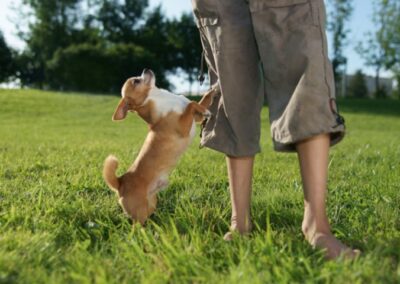
Whether you’re greeting visitors, preparing meals, putting on a leash, or waiting at the vet’s office, asking your puppy to sit encourages calm behavior instead of jumping or running around.
Start by holding a small treat just above your puppy’s nose and slowly move it backward over their head. As their eyes follow the treat, they’ll naturally lower their rear to the floor. The moment they sit, reward them immediately with praise and the treat.
Keep training sessions short—just a few minutes at a time—and always end on a positive note.
2. Come
If there’s one command that could save your puppy’s life, it’s “Come.”
A reliable recall can prevent your dog from running into traffic, approaching dangerous animals, or wandering too far during outdoor adventures.
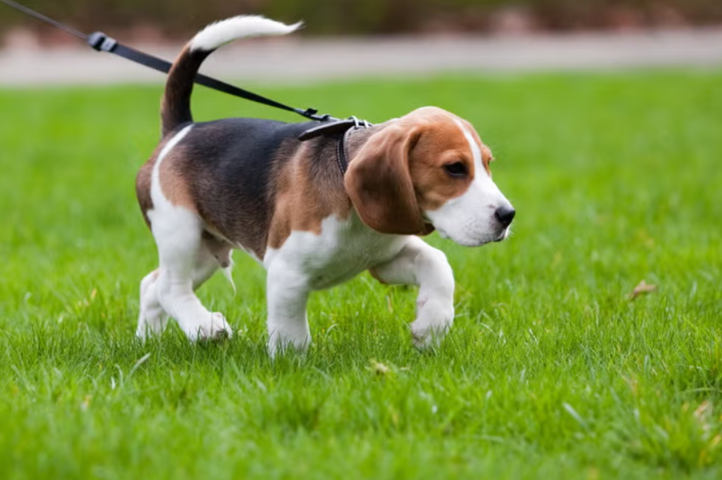
Begin in a quiet, distraction-free area. Crouch down, say your puppy’s name followed by “Come!” in an upbeat voice, and reward them enthusiastically when they reach you.
Avoid using “Come” for something unpleasant like nail trims or ending playtime every single time. Your puppy should associate the command with positive experiences so they’ll always be eager to return.
As they improve, gradually practice in larger spaces with more distractions.
3. Down
Teaching your puppy to lie down is another valuable skill that promotes relaxation and self-control.
A puppy in the “Down” position is naturally calmer than one bouncing around the room. This command can be especially helpful during family dinners, visits with friends, or when you simply need your dog to settle.
Guide your puppy from a sitting position by lowering a treat to the floor and slowly moving it away from them. As they follow the treat, they’ll naturally stretch into a lying position.
Reward immediately once their elbows touch the ground.
Patience is key. Some puppies catch on quickly, while others need extra encouragement.
4. Stay
Once your puppy understands “Sit” and “Down,” it’s time to introduce “Stay.”
This command teaches impulse control and helps keep your dog safe in many situations, from waiting politely at doorways to remaining still while you prepare their dinner.
Ask your puppy to sit, hold your hand out like a stop sign, and say “Stay.”
Take one small step backward. If your puppy remains in place for even a second or two, return immediately and reward them.
Gradually increase both the distance and duration over time. Remember not to rush the process—success comes from building confidence one small step at a time.
If your puppy breaks the stay, simply reset without scolding and try again with an easier challenge.

5. Leave It
Curiosity is part of being a puppy, but that curiosity can sometimes lead them toward things they shouldn’t touch.
The “Leave It” command teaches your dog to ignore objects that could be dangerous, including dropped medication, toxic foods, sharp objects, or items left on walks.
Start by placing a treat inside your closed hand. Let your puppy sniff and investigate, but don’t open your hand. The moment they stop trying to get the treat—even for a second—reward them with a different treat from your other hand.
Over time, your puppy learns that ignoring something tempting often leads to an even better reward.
It’s one of the most practical commands you’ll ever teach.
Setting Your Puppy Up for Success
No matter which command you’re teaching, consistency is everything.
Keep training sessions fun and brief, using plenty of praise, treats, and encouragement. Young puppies have short attention spans, so several five-minute sessions throughout the day are often far more effective than one long lesson.
It’s also important to practice commands in different locations. A puppy who listens perfectly in the living room may suddenly “forget” everything at the park. New environments bring exciting distractions, so continue reinforcing good behavior wherever you go.
Above all, remember that training isn’t about perfection.
Every command your puppy learns strengthens communication between the two of you.
With patience, positive reinforcement, and daily practice, those first five commands become the building blocks for a confident, well-mannered companion who can enjoy more adventures by your side.
Training doesn’t just teach obedience—it builds trust. And that’s one lesson both you and your puppy will benefit from for years to come.