Bringing home a new puppy is exciting—but those unexpected puddles on the floor? Not so much.
The good news is that toilet training doesn’t have to be frustrating. With consistency, patience, and the right routine, most puppies quickly learn where they should go.
Whether you’ve just welcomed an 8-week-old pup or you’re helping an older rescue settle into your home, the same principles apply: reward the behavior you want, prevent mistakes, and stay patient.
Here’s everything you need to know to build good habits from day one.
Why Puppies Have Accidents
Puppies aren’t being naughty when they pee indoors—they simply haven’t learned yet. Young dogs have small bladders and very little control, so frequent bathroom breaks are completely normal.
A puppy is most likely to need the toilet:
- Right after waking up
- After eating or drinking
- After playtime or excitement
- Before bedtime
- Every 1–2 hours when they’re very young
The more opportunities you give them to succeed outside, the faster they’ll understand what’s expected.
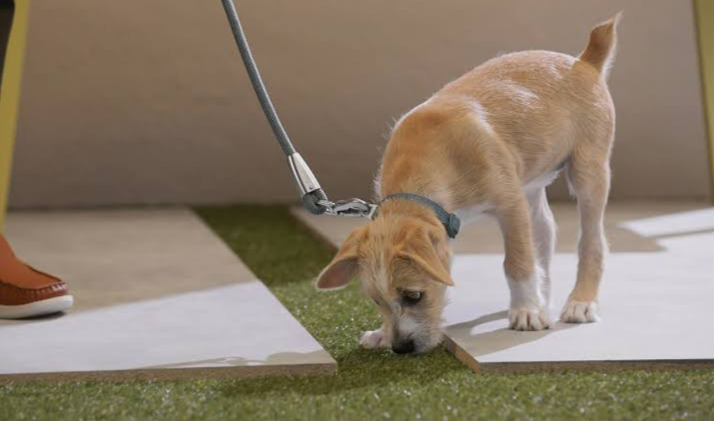
Step 1: Create a Consistent Routine
Dogs thrive on routine. Taking your puppy to the same toilet spot at predictable times helps them associate that area with going to the bathroom.
A simple daily schedule might look like:
| Time | What to Do |
|---|---|
| Morning | Go outside immediately after waking |
| After meals | Toilet break within 10–20 minutes |
| After naps | Straight outside |
| After play | Another quick bathroom trip |
| Before bed | One final outing |
Consistency is far more important than perfection.
Step 2: Pick One Toilet Spot
Choose a specific area in your yard and use it every time. The familiar scent encourages your puppy to go, making the process much easier.
Stay calm and avoid turning toilet breaks into playtime. Give your puppy a few minutes to sniff and do their business before heading back inside.
Step 3: Reward Immediately
Timing is everything.
The moment your puppy finishes going outside, offer enthusiastic praise and a small treat. Don’t wait until you’re back indoors—your puppy needs to connect the reward with the action they just completed.
Think of it as telling them, “Yes! That’s exactly what I wanted.”
Positive reinforcement is one of the fastest ways to build reliable habits.
Step 4: Supervise Indoors
Until your puppy is fully trained, supervision is your best friend.
Watch for common signs they need to go:
- Sniffing the floor
- Walking in circles
- Suddenly wandering away
- Squatting or lifting a leg
If you notice these signals, calmly take them outside right away.
When you can’t supervise, consider using a crate or a small puppy-safe area. Dogs naturally avoid soiling their sleeping space, which can help encourage bladder control—as long as they’re given regular opportunities to go outside.
What If They Have an Accident?
Accidents will happen. That’s part of learning.
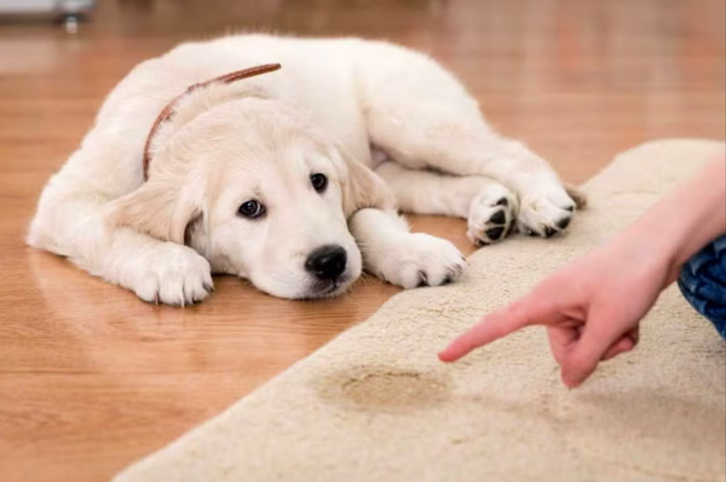
Never punish, shout, or rub your puppy’s nose in the mess. This doesn’t teach them where to go—it simply teaches them to fear toileting around you.
Instead:
- Calmly clean the area with an enzymatic cleaner.
- Remove any lingering odor.
- Take your puppy outside more frequently next time.
Every accident is simply information that the schedule needs adjusting.
Toilet Training an Older Dog
Rescue dogs or adult dogs may arrive without reliable house training, but don’t worry—they absolutely can learn.
The process is almost identical:
- Establish a consistent routine.
- Reward every successful outdoor toilet.
- Supervise closely indoors.
- Be patient while they adjust to their new environment.
Some rescued dogs may take longer because they’re learning an entirely new home, but kindness and consistency go a long way.
Night-Time Tips
Many puppies can’t make it through the night at first.
To reduce overnight accidents:
- Limit water right before bedtime (without restricting access during the day).
- Take them out immediately before sleeping.
- Be prepared for one overnight toilet break if they’re very young.
- Carry them outside if needed to avoid accidents on the way.
As their bladder develops, they’ll gradually sleep longer without needing to go.
Common Mistakes to Avoid
Avoid these habits that can slow progress:
- Waiting too long between toilet breaks.
- Punishing accidents instead of rewarding success.
- Being inconsistent with the toilet location.
- Skipping rewards after they go outside.
- Expecting perfection in the first few weeks.
Remember, toilet training is a marathon—not a sprint.
Celebrate the Small Wins
Every successful trip outside is progress. Your puppy isn’t aiming to make mistakes—they’re trying to understand the rules of a brand-new world.
With a predictable routine, plenty of praise, and lots of patience, those indoor accidents will become fewer and farther between. Before long, asking to go outside will become second nature, and both you and your pup can enjoy a cleaner, happier home together.