When people think about dog training, they usually picture the basics.
Sit.
Stay.
Come.
Leave it.
Those commands are essential, but once your dog has mastered them, many owners assume the training journey is over.
In reality, it’s only just beginning.
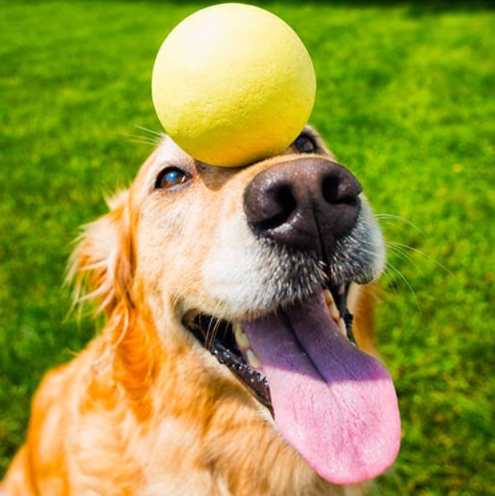
Teaching your dog fun tricks isn’t just a great way to impress your friends or capture adorable social media videos. Trick training is one of the easiest ways to keep your dog mentally engaged, physically active, and emotionally connected to you—all while having a blast together. Best of all, you don’t need to be a professional trainer or spend hours every day to see amazing results.
Why Trick Training Matters
Dogs love having a job to do.
Learning new behaviors gives them something positive to focus on, challenges their minds, and strengthens the communication between you and your furry best friend.
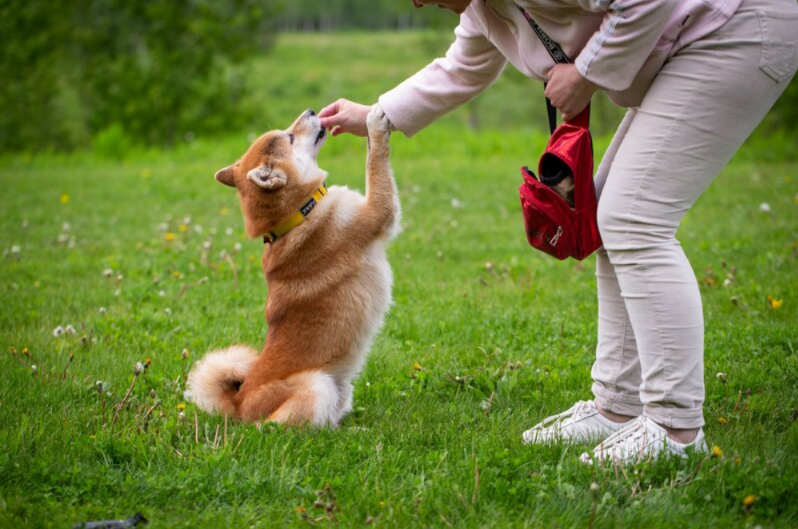
Unlike obedience training, which often teaches practical life skills, trick training is all about having fun. Whether your dog learns to spin in a circle, shake paws, give a high five, or place both front paws on a platform, every new trick becomes another opportunity to build confidence and celebrate success together.
1. It Gives Your Dog a Mental Workout
A tired dog isn’t always one that’s been running around outside.
Sometimes, the most exhausted dogs are the ones who’ve spent time using their brains.
Learning a new trick requires concentration, problem-solving, and memory. During training sessions, your dog is constantly trying to understand what you’re asking while figuring out how to earn that next tasty reward.
This kind of mental enrichment helps prevent boredom, which can reduce unwanted behaviors like excessive barking, chewing furniture, or digging in the yard. It’s especially valuable on rainy days or whenever long walks aren’t possible.
2. It Keeps Them Physically Active
Many tricks naturally encourage movement.
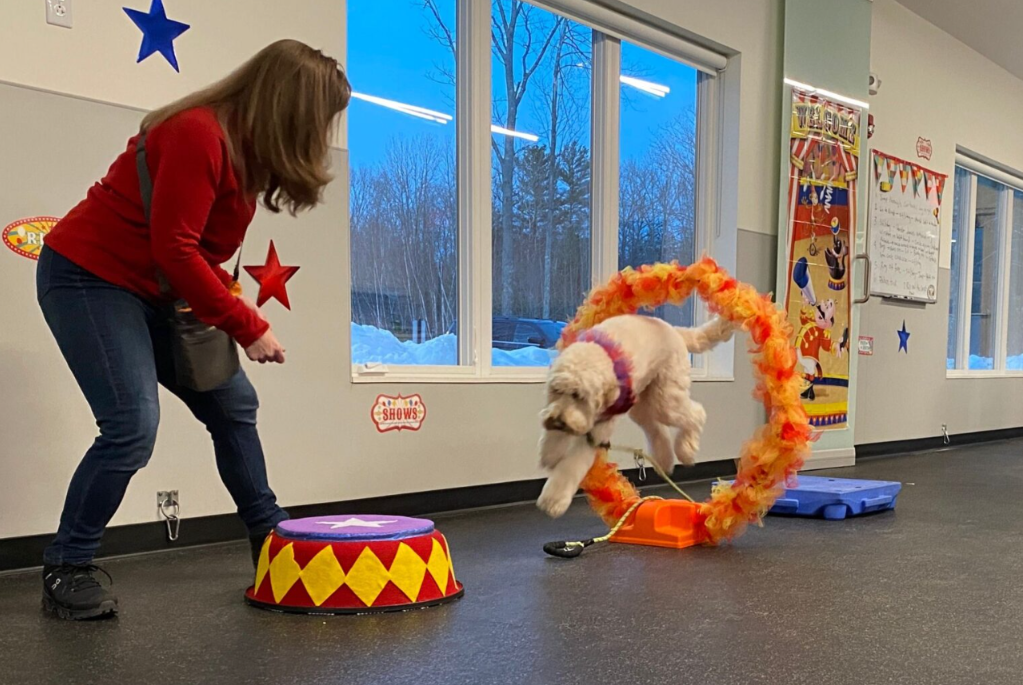
Spinning, jumping, weaving through your legs, balancing, or placing paws on an elevated object all improve coordination, flexibility, and body awareness.
These movements gently exercise muscles that everyday walks may not fully engage.
The key is choosing tricks that match your dog’s age, size, and physical ability. Puppies, seniors, and dogs with mobility concerns should stick to low-impact activities that keep training fun without putting unnecessary strain on their bodies.
3. It Builds Confidence
Every successful trick teaches your dog something important:
“I can do this.”
That growing confidence often extends far beyond training sessions.
Dogs who regularly experience positive learning opportunities may become more comfortable exploring new places, meeting unfamiliar people, or encountering novel objects. Each accomplishment reinforces that trying something new can lead to good things.
4. It Strengthens Your Bond
Perhaps the greatest benefit of trick training isn’t the tricks themselves.
It’s the relationship that develops along the way.
Every session becomes a conversation between you and your dog. They learn to pay closer attention to your cues, while you become better at reading their body language and understanding how they learn best.
Those shared moments of success create trust that carries into everyday life, making communication easier during walks, vet visits, and countless other situations.
An Easy Trick to Try at Home: “Paws Up”
If you’re looking for a beginner-friendly trick, “Paws Up” is a fantastic place to start.
The goal is simple: teach your dog to place both front paws onto a sturdy, low platform, such as a step stool, thick book, or upside-down food bowl.
Here’s how:
- Place treats on top of the platform and let your dog investigate it.
- Once they’re comfortable, slowly lure them toward the surface with a treat.
- Reward any attempt to touch or step onto the platform.
- Continue practicing until your dog confidently places both front paws on it.
- Once they’re consistent, introduce the verbal cue “Paws Up” before they perform the behavior.
- Gradually increase how long they hold the position before rewarding them.
Besides being adorable, this exercise improves balance, coordination, body awareness, and confidence.
Keep Training Positive
The secret to successful trick training isn’t perfection.
It’s consistency.
Keep sessions short—about five to ten minutes—and always end on a positive note. Use treats, praise, toys, or whatever motivates your dog most. Reward effort, celebrate small improvements, and avoid punishment if your dog doesn’t understand right away.
Positive reinforcement creates enthusiastic learners who look forward to every training session. It’s also the approach recommended by veterinary behavior experts because it supports both learning and your dog’s overall well-being.
Every Trick Is Time Well Spent
Whether your dog learns one new trick or twenty, the real reward isn’t having the smartest dog at the park.
It’s the time you spend learning together.
Every spin, high five, paw shake, or silly dance strengthens your partnership, keeps your dog’s mind sharp, and creates memories you’ll both enjoy for years to come.
So grab a handful of treats, clear a little space in the living room, and start teaching something new.
You may be surprised to discover that the biggest transformation isn’t in your dog’s list of tricks.
It’s in the bond the two of you build along the way.