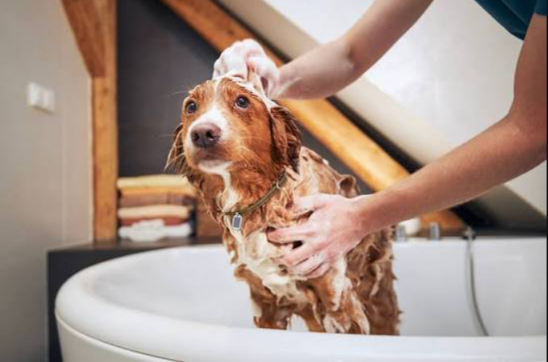
A freshly groomed dog is hard to resist.
Their coat looks soft. Their paws are clean. They smell wonderful. And somehow, they seem to walk around the house with an extra bit of confidence.
But grooming isn’t simply about making your dog look adorable.
Regular grooming is an important part of everyday care. Brushing, bathing, checking paws and trimming nails can help keep your dog comfortable while giving you an opportunity to notice changes that might otherwise go unnoticed.
And perhaps best of all, grooming can become valuable one-on-one time between you and your dog.
Start Before Grooming Becomes A Battle
Some dogs happily roll over when they see a brush.
Others see it coming and immediately disappear.
That’s why it’s worth getting dogs accustomed to grooming as early as possible. Puppies can gradually learn that being brushed, having their paws handled and having their mouth and eyes checked are normal parts of life.
Short, gentle sessions are usually much easier than forcing a nervous dog through one long grooming session.
The goal isn’t simply to get the job done. It’s to teach your dog that being handled doesn’t have to be scary.
Older rescue or rehomed dogs may need extra patience, particularly if they aren’t accustomed to grooming. If grooming causes significant stress or handling problems, getting guidance from a qualified trainer or professional groomer can help.
Every Coat Has Different Needs
There isn’t one grooming routine that works for every dog.
A sleek, short-haired dog and a fluffy, long-coated dog are going to have very different maintenance requirements.
Short-coated breeds generally need relatively light brushing several times a week. A soft brush or grooming mitt may be enough, although heavy shedders can benefit from tools designed to remove loose undercoat.
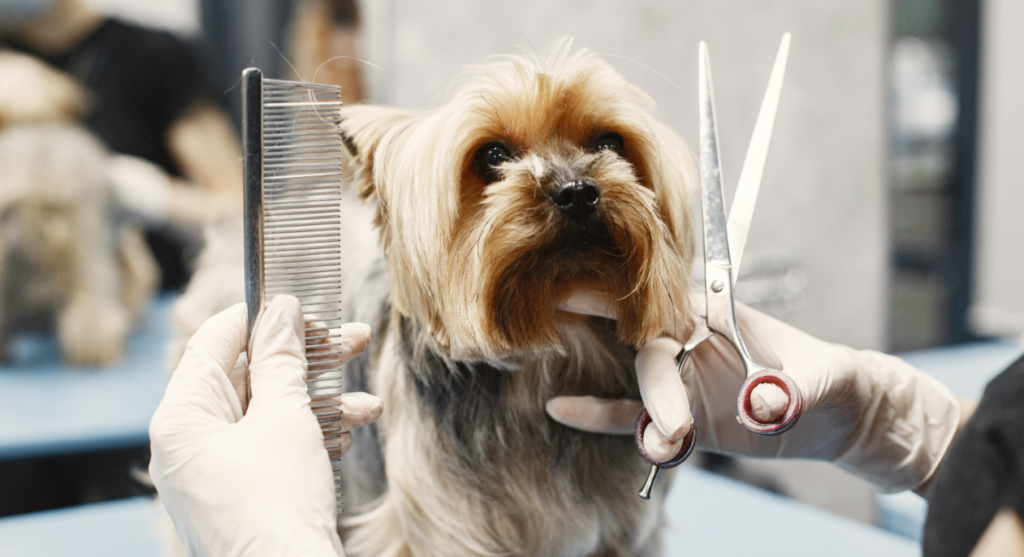
Dogs with medium or long coats typically require more frequent attention. Without regular brushing, loose fur can become tangled and eventually develop into painful mats. Slicker brushes, detangling tools and combs can help keep longer coats manageable.
Then there are wire-coated breeds, which can have their own specialized grooming requirements. Some may benefit from hand stripping, a technique that removes longer guard hairs while preserving the shorter undercoat.
If you’re unsure what your dog’s coat needs, a professional groomer can show you the correct tools and techniques.
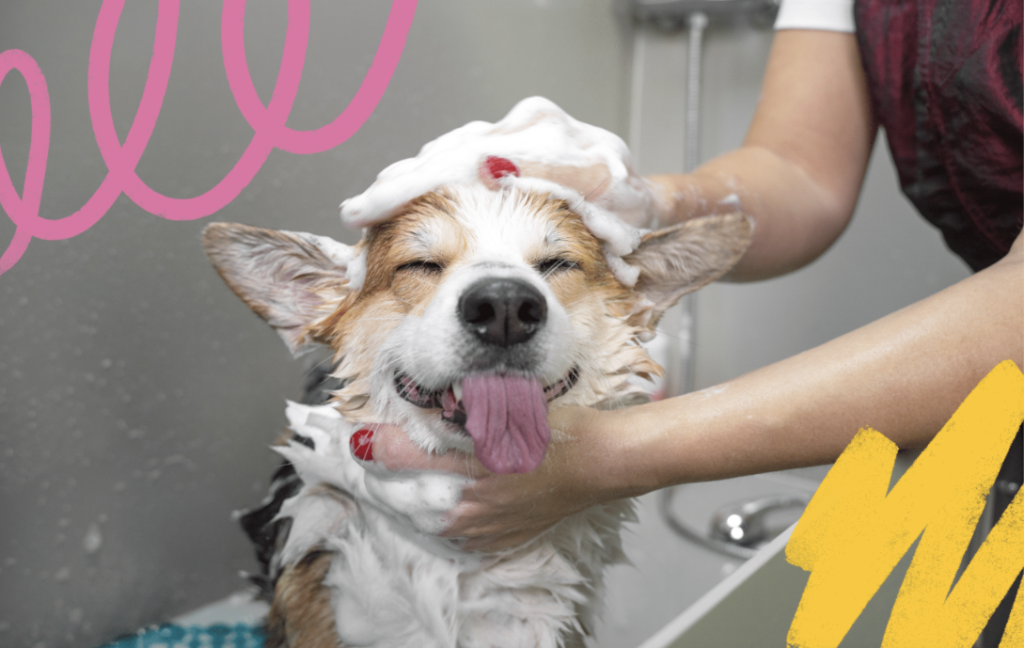
Don’t Bathe Your Dog Just Because You Can
Bath time can be satisfying — especially when your dog has somehow managed to turn a perfectly clean coat into a muddy disaster.
But dogs don’t necessarily need frequent baths.
A bath is generally appropriate when your dog is dirty, muddy, has rolled in something unpleasant or genuinely needs cleaning. Over-bathing can contribute to skin problems, so more isn’t always better.
And there’s one important rule when choosing shampoo: use a product specifically formulated for dogs.
Human shampoos aren’t designed for canine skin and can cause irritation. If you’re uncertain which product is appropriate, ask your veterinarian or a professional groomer for advice.
Don’t Forget Those Adorable Wrinkles
Some dogs have another grooming responsibility that owners need to take particularly seriously: skin folds.
Dogs with pronounced facial wrinkles can have areas where moisture, dirt and debris become trapped. If those folds aren’t kept clean and dry, irritation and infections can develop.
Regularly checking the folds can help owners spot redness, unpleasant odors or other changes early. Keeping them clean and thoroughly dry is particularly important after activities involving water or food.
Your Dog’s Nails Need Attention, Too
You may notice your dog’s nails long before you realize they’re becoming a problem.
If the nails touch the ground while your dog is standing normally, they may need trimming.
Some dogs naturally wear their nails down during walks, particularly when regularly walking on rough surfaces. Others don’t get enough natural wear and need routine trimming.
Don’t forget the dewclaws, either. Because they don’t always contact the ground, they can grow longer than the other nails and may eventually become uncomfortable or even curl into the skin.
If you’re uncomfortable trimming nails yourself, a veterinarian or professional groomer can handle the job.
Grooming Is Also A Health Check
Perhaps one of the biggest benefits of grooming happens before you even pick up the brush.
When you’re regularly touching your dog’s coat, paws, ears, face and body, you’re more likely to notice something unusual.
A new lump.
A sore spot.
Skin irritation.
A damaged nail.
An area your dog suddenly doesn’t want you touching.
These small observations can be important. Grooming doesn’t replace veterinary care, but it can help you become more familiar with what is normal for your individual dog.
When Professional Help Makes Sense
There’s nothing wrong with grooming your dog at home, but some coats and grooming techniques can be complicated.
A professional groomer can be especially helpful when you’re caring for a breed with specialized coat requirements or when you’re unsure how to prevent tangles and mats.
Learning the right technique can make home maintenance easier — and help prevent your dog’s coat from becoming severely tangled, uncomfortable or painful.
Ultimately, grooming isn’t just about having the best-looking dog at the park.
It’s about keeping your companion comfortable, helping them become accustomed to handling and giving yourself regular opportunities to check in on their wellbeing.
And if your dog happens to look ridiculously cute afterward?
That’s simply a very happy bonus.

I love how the site looks and feels. It makes the whole gambling experience much more enjoyable. Definitely spending more time on okjilicasino
The vibe here is just great. Tons of fun options and the community is pretty active. I am having a blast at 777betfunlogin
Quick access and great security. I feel much safer using this portal to manage my account. If you are looking for a fast way in, jlpgcasinologin is the way to go.