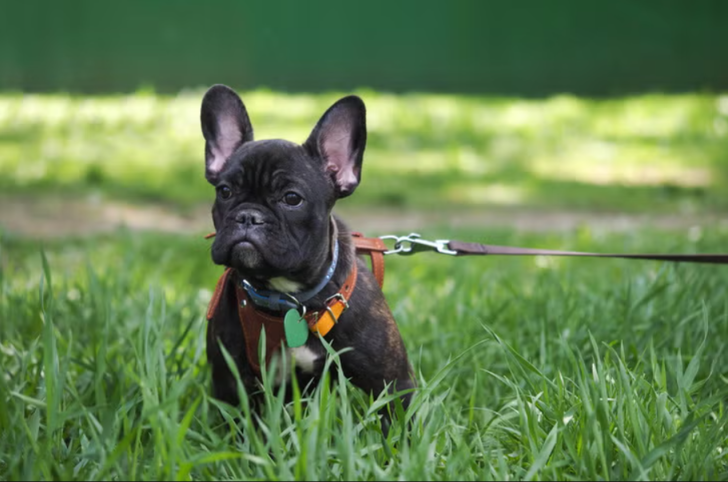
There’s something magical about taking your puppy on their first real walk.
You imagine the two of you strolling peacefully down the sidewalk, your puppy happily trotting beside you.
Then reality hits.
Your puppy pulls forward. Stops to sniff. Spins around. Bites the leash. Gets distracted by a leaf. And suddenly, what was supposed to be a relaxing walk feels more like a full-body workout.
The good news? Your puppy isn’t being stubborn or trying to make your life difficult. Walking politely on a leash is a skill they have to learn.
And the earlier you start, the easier it can become.
Start Before the First Walk
You don’t have to wait until your puppy is old enough for neighborhood walks to begin leash training.
In fact, some of the most useful lessons can happen right inside your home.
Start by letting your puppy become comfortable wearing a properly fitted harness or collar. Attach a lightweight leash and reward them for calmly wearing it.
Keep these early sessions short and positive.
Your puppy doesn’t need to master walking immediately. The goal at first is simply to teach them that having a leash attached isn’t strange or scary—and that staying close to you comes with good things.
Small treats can make a huge difference.
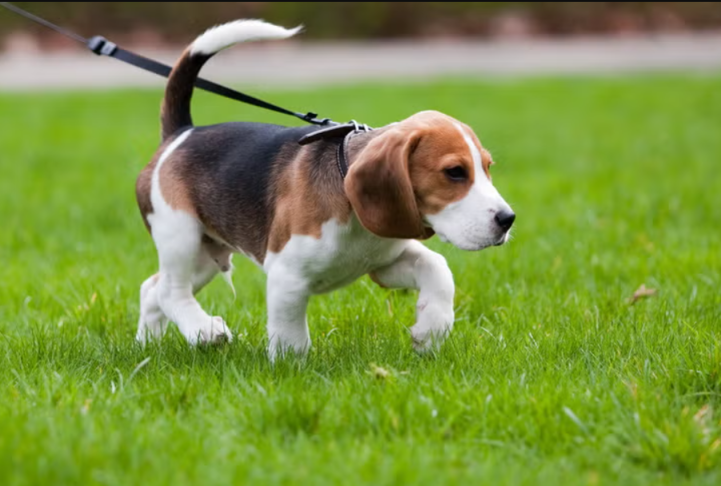
Teach Your Puppy That Looking at You Pays
Puppies live in a world filled with distractions.
Everything is interesting.
A passing person, a strange sound, a leaf blowing across the yard—even a tiny bug can suddenly become the most exciting thing they’ve ever seen.
That’s why attention is one of the most valuable skills you can teach.
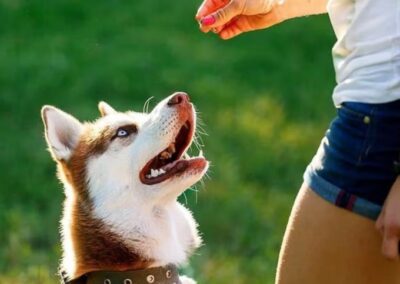
While your puppy is wearing the leash, reward them whenever they voluntarily look at you. You can use a simple word such as “yes” to mark the exact moment they make eye contact, followed immediately by a treat.
Over time, your puppy begins to understand something important:
Checking in with you is rewarding.
That habit can become incredibly useful once you venture outside.
Give Your Puppy a Walking Cue
Instead of simply moving forward and expecting your puppy to figure out where you want them to go, give them a clear cue.
Something as simple as “Let’s go” or “With me” can become your signal that it’s time to move together.
Start indoors or somewhere quiet.
Say your cue, take a few steps, and reward your puppy for following you with a loose leash. Keep the rewards frequent in the beginning.
You can also teach cues for changing direction.
For example, saying “turn” before changing direction gives your puppy a heads-up that you’re about to move somewhere different.
That little bit of communication can help prevent your puppy from constantly reaching the end of the leash and pulling ahead.
What Happens When They Pull?
Eventually, your puppy will probably reach the end of the leash.
Instead of turning the walk into a tug-of-war, teach your puppy what you’d rather have them do.
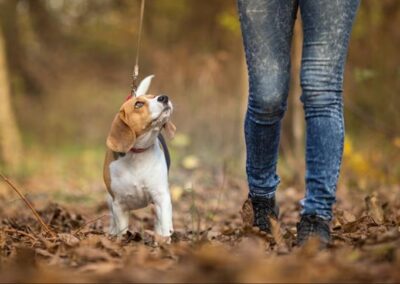
When they reach the end, call their name. When they look back toward you, mark the behavior and reward them when they return.
Repeat this consistently.
Eventually, your puppy can learn that reaching the end of the leash doesn’t mean “pull harder.”
It means:
Check in with my human.
That’s a much more useful habit—and one that can make walks significantly easier.
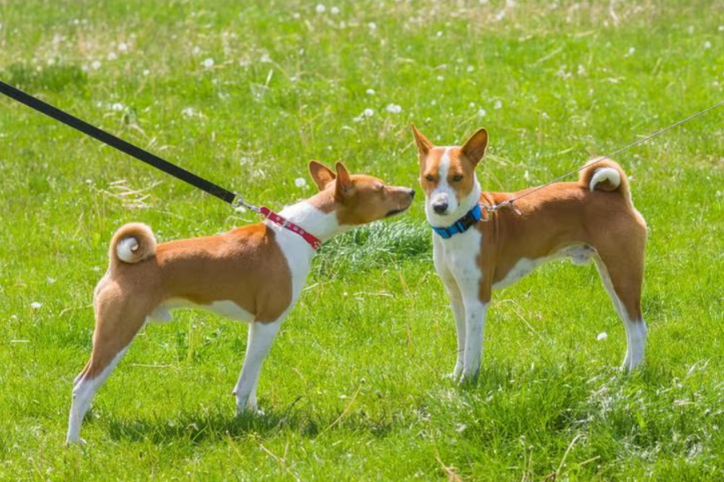
Don’t Rush the Outdoor Adventure
Walking inside your home is one thing.
Walking outside is a completely different challenge.
Suddenly, there are squirrels, cars, people, dogs, smells, noises and countless other distractions competing for your puppy’s attention.
So don’t expect your puppy to immediately behave outdoors the way they did in your living room.
Start somewhere relatively quiet.
Bring especially exciting treats and reward your puppy for staying near you, looking at you and walking with a loose leash.
Keep sessions short enough that your puppy can succeed.
Remember, you’re teaching a difficult new skill—not testing them.
What If Your Puppy Bites the Leash?
Some puppies see a leash and immediately think:
New tug toy!
If your puppy grabs or chews the leash, avoid turning it into a fun game of tug.
Instead, calmly redirect their attention with a treat and reward them when they release the leash.
Keeping the leash relatively loose can also reduce the temptation to play with it.
With repetition, your puppy can learn that the leash is a tool for going places—not something to wrestle with.
Let Them Sniff, Too
Here’s a surprising tip: If you want your puppy to pull less, give them opportunities to explore.
Not every walk needs to be a strict training session.
Allowing your puppy to sniff, investigate and occasionally choose where they want to explore can provide valuable mental stimulation.
A puppy who gets opportunities to satisfy their natural curiosity may have an easier time focusing during structured walking practice.
Think of it as balance.
Some walks are about practicing good manners.
Others can simply be about being a dog.
Be Patient With Your Puppy
Perhaps the biggest mistake owners make is expecting too much too soon.
Loose-leash walking doesn’t happen overnight.
Your puppy isn’t born knowing how to walk beside you. They have to learn what the leash means, where you want them to walk, how to respond to your cues and why staying close is worthwhile.
Celebrate the small victories.
One calm step.
One successful check-in.
One loose leash.
One turn without pulling.
Those tiny moments add up.
And if you’re struggling, getting help from a qualified trainer isn’t a failure. It can actually prevent frustrating habits from becoming more deeply established.
With patience, consistency and plenty of positive reinforcement, those chaotic puppy walks can eventually become something you both look forward to.
Because the best walks aren’t about making your puppy walk perfectly.
They’re about teaching them that exploring the world with you is one of the best adventures there is.