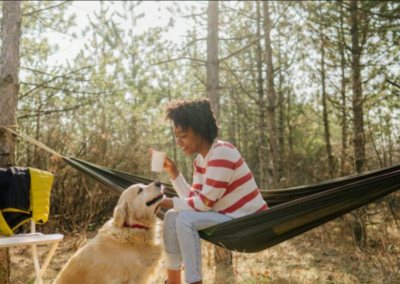
Taking your dog on a hike sounds like the perfect adventure. Fresh air, scenic views, plenty of exercise, and quality time together—what’s not to love?
But there’s one important detail many dog owners overlook.
Just because a trail is labeled “dog-friendly” doesn’t automatically mean it’s the right trail for your dog.
Some paths are steep and rocky. Others are crowded with cyclists, wildlife, or off-leash dogs. A trail that works perfectly for one dog could be stressful—or even dangerous—for another.
Choosing the right hike requires a little planning, but the extra effort helps ensure both you and your four-legged companion have a fun, safe experience.
The first step is finding trails where dogs are actually permitted. Many hiking apps and websites allow you to filter searches for dog-friendly routes, but don’t stop there. National parks often have strict pet restrictions, while many national forests, state parks, and public lands offer far more options for hikers with dogs. Always double-check the rules before heading out.
Once you’ve confirmed dogs are welcome, dig a little deeper than the trail description.
Reading recent reviews from other hikers can reveal valuable details you won’t always find in official listings. People often mention washed-out sections, muddy trails, steep drop-offs, heavy wildlife activity, or unexpectedly rough terrain. Those firsthand experiences can help you avoid unpleasant surprises.
Leash rules deserve just as much attention.
Some trails require dogs to remain leashed at all times, while others allow off-leash hiking in certain areas. Even if a trail permits off-leash dogs, that doesn’t automatically mean it’s the best choice.
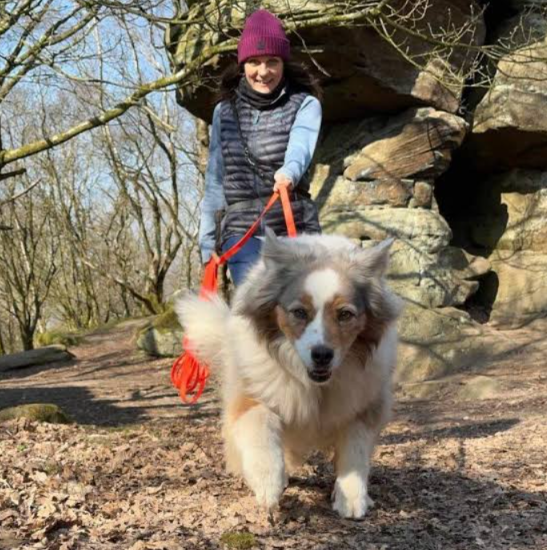
If your dog has unreliable recall, gets distracted easily, or becomes nervous around strangers or other dogs, keeping them on a leash is often the safest decision. Many experienced hikers also point out that trail etiquette varies widely, so it’s wise to be prepared even on leash-required routes.
The trail’s layout can also make a big difference.
Loop trails often reduce the number of repeated encounters with other hikers since everyone moves in the same general direction. Out-and-back trails, on the other hand, usually involve passing the same people multiple times, which may be more challenging for reactive or excitable dogs.
Terrain is another factor that’s easy to underestimate.
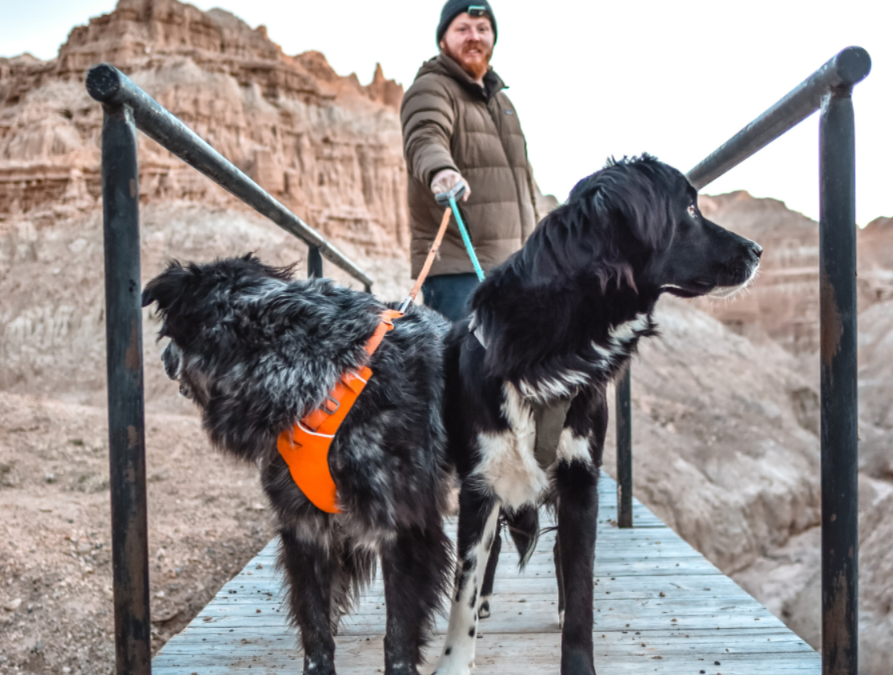
A trail may technically allow dogs, but that doesn’t mean it’s comfortable for every pup. Sharp rocks, loose gravel, narrow ledges, creek crossings, and scrambling over boulders can be difficult, especially for smaller breeds, senior dogs, or dogs with mobility issues.
If you’re unsure whether your dog can safely navigate a section, it’s perfectly okay to choose an easier trail instead.
There’s no prize for picking the toughest hike.
Trail length matters just as much.
If your dog is new to hiking, start with shorter routes and gradually build endurance over time. Puppies whose bones are still developing shouldn’t tackle long or strenuous hikes, while older dogs may tire more quickly than they used to. Every dog has different limits, so let their fitness—not your ambition—determine the distance.
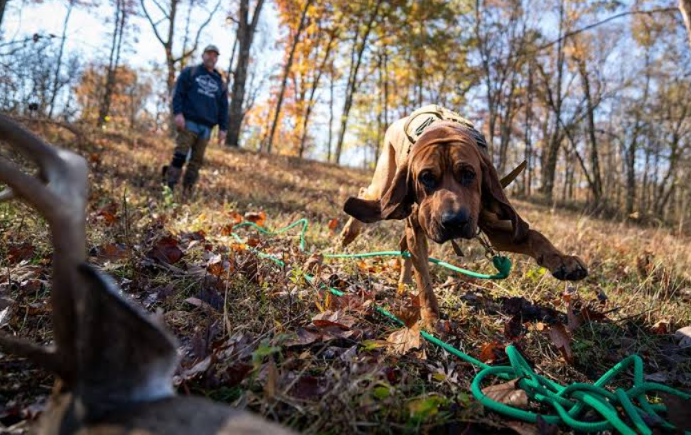
Don’t forget to think about gear before leaving home.
Bring plenty of fresh water, a collapsible bowl, waste bags, a sturdy leash, and an identification tag with current contact information. Depending on the trail, protective dog boots can help shield sensitive paw pads from hot sand, rough rocks, snow, or ice. A well-fitted harness with a sturdy handle can also make it easier to help your dog over obstacles when necessary.
When you arrive at the trailhead, take a moment to read any posted signs.
Conditions can change quickly due to weather, wildlife activity, fire restrictions, or trail damage. Even if you’ve researched the hike beforehand, new information posted at the entrance could change your plans.
And once you’re on the trail, stay alert.
Keep an eye on your dog’s energy level, check for signs of overheating, and watch for hazards such as sharp rocks, snakes, fast-moving water, or unfamiliar plants. The goal isn’t just to finish the hike—it’s to make sure everyone gets home safely.
Hiking with your dog can become one of life’s greatest adventures.
Every trail offers new scents to discover, streams to splash through, and memories to create together. By choosing routes that match your dog’s abilities and preparing for the unexpected, you’ll set both of you up for many happy miles ahead.
After all, the best hike isn’t necessarily the longest or the most challenging.
It’s the one where your dog comes home tired, safe, and wagging their tail the whole way back.