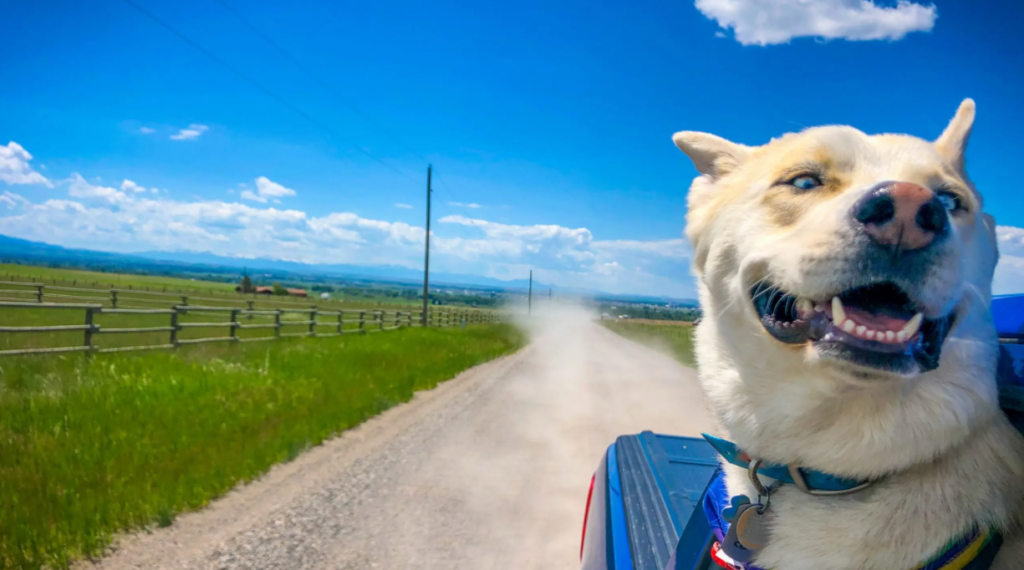
There’s something special about hitting the open road with your dog riding beside you.
A new destination. New smells. New places to explore. And, of course, plenty of opportunities to create memories together.
But traveling with a dog isn’t always as simple as tossing their favorite toy in the car and driving away. Long-distance trips require planning, especially when it comes to keeping your dog comfortable, secure, fed, hydrated, and happy.
The good news? A little preparation can make the entire experience much smoother.
Help Your Dog Learn to Love the Car
If your dog isn’t used to traveling, don’t begin with an eight-hour drive.
Start small.
For puppies, short car rides can help them become comfortable with the sights, sounds, and movement of a vehicle. Begin with a quick trip around the neighborhood and reward calm behavior with praise and treats.
Once your dog can handle a few minutes comfortably, gradually increase the length of the rides.
Older dogs can learn, too. They may simply need more patience and repetition before they feel relaxed.
The goal is to create a positive association with the car rather than forcing your dog into an unfamiliar experience for hours at a time.
Give Your Dog Their Own Space
Dogs often feel more secure when they know where they’re supposed to settle during a car ride.
Choose a designated spot and make it comfortable with a familiar bed, blanket, or toy that smells like home.
A consistent space can help your dog settle down instead of wandering around the vehicle.
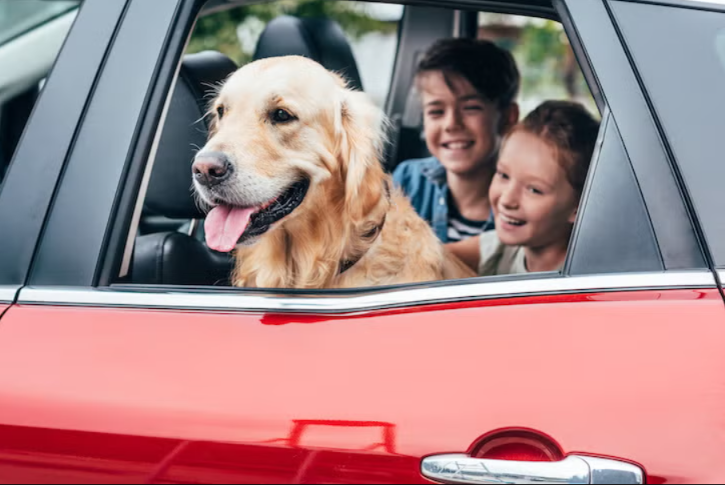
Most importantly, make sure your dog is properly restrained. A secured crate, travel harness, or other appropriate restraint can help prevent your dog from moving freely around the vehicle and becoming a distraction.
Keeping your dog secure also reduces the risk of injury if you suddenly brake or have an accident.
Keep Food and Water Routine
Travel can disrupt a dog’s normal schedule, but keeping meals relatively consistent can make the trip easier.
Pack enough of your dog’s regular food for the journey, plus extra in case of unexpected delays.
It’s also smart to bring plenty of fresh water.
Don’t assume you’ll always be able to find a convenient source along the way. A few large reusable water containers can give you peace of mind during long stretches of driving.
Offer water regularly, particularly when you’ve stopped for a break.
And don’t forget bowls, food containers, waste bags, medications if needed, and any other essentials your dog normally uses at home.
Plan Plenty of Bathroom Breaks
Your dog doesn’t understand that you’re trying to make good time.
If nature calls, nature calls.
Puppies generally need more frequent bathroom breaks, while adult dogs may be able to go longer. However, unfamiliar surroundings, excitement, and changes in routine can affect even a normally predictable dog.
Watch for signs such as whining, pacing, restlessness, or excessive panting.
Regular stops also give your dog an opportunity to stretch their legs and burn off some nervous energy.
A few extra minutes at a rest stop can be well worth it if it makes the next stretch of driving calmer.
Be Careful Around Gas Stations
Gas stations may look like convenient places for a quick bathroom break, but they aren’t always ideal for dogs.
Fuel, oil, antifreeze, and other automotive chemicals can be dangerous if your dog steps in them or manages to lick them.
Whenever possible, move to a safer grassy area away from the pumps before allowing your dog to explore.
And keep your dog leashed.
A busy parking lot is one of the worst places for a dog to suddenly slip away.
Never Underestimate Heat
One of the biggest dangers during a road trip is leaving a dog in a hot vehicle.
Temperatures inside a car can become dangerously high, even when the weather doesn’t initially seem extreme.
The safest approach is to avoid leaving your dog alone in the vehicle whenever possible.
If you need to stop somewhere that doesn’t allow pets, consider having another person stay with your dog or plan your trip around pet-friendly locations.
Never assume that cracking a window is enough to keep your dog safe.
Keep Dogs Secure Near Traffic
Every time you open a car door, there’s a potential escape opportunity.
A startled dog can bolt before you have time to react.
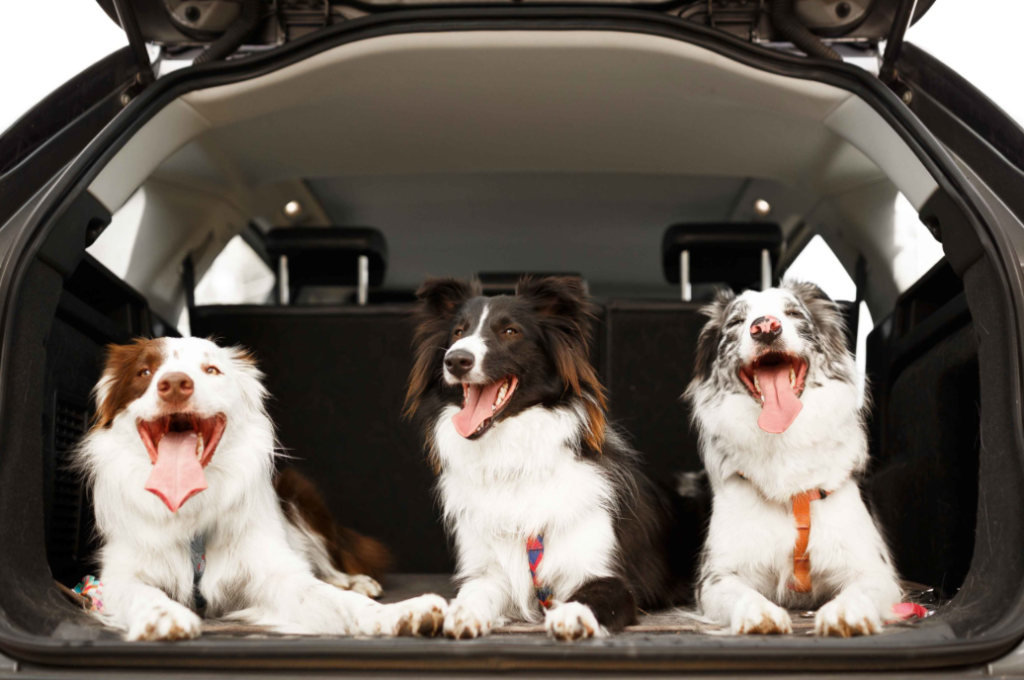
Keep your dog restrained until you’re safely away from traffic. Check that doors are fully closed and windows are secure enough that your dog can’t squeeze through.
And never allow a dog to ride loose in the open bed of a pickup truck. Falling, jumping, or exposure to extreme weather can result in serious injury or death.
Choose Pet-Friendly Stops Ahead of Time
Don’t wait until you’re exhausted to start looking for somewhere to stay.
Research pet-friendly hotels, campgrounds, and other accommodations along your route before leaving.
Even if a property advertises itself as dog-friendly, policies can vary. Some have restrictions on size, breed, number of pets, or specific rooms.
Calling ahead can save you from an unpleasant surprise after a long day on the road.
Camping can also be a fantastic option for dogs, particularly if you’re traveling somewhere with dog-friendly outdoor spaces.
Just remember that rules differ from one public area to another, and many protected areas have strict restrictions on where dogs can go.
Make the Journey an Adventure
A successful road trip with your dog isn’t about reaching your destination as quickly as possible.
It’s about making the journey comfortable and safe for everyone.
Bring familiar items from home. Take regular breaks. Give your dog opportunities to sniff and stretch. Keep them properly secured. Pack more food and water than you think you’ll need.
Most importantly, pay attention to your dog’s behavior.
If they’re anxious, restless, overheated, or unusually tired, adjust your plans.
With the right preparation, your dog can become the perfect road-trip companion.
Because sometimes the best part of a getaway isn’t the destination.
It’s having your favorite four-legged passenger along for the ride.