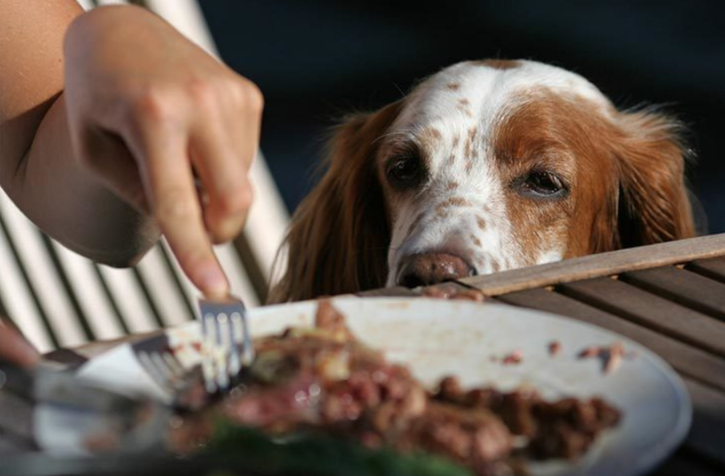
Taking your dog to a restaurant can sound like the perfect afternoon.
You grab a table outside, order your favorite meal, and your pup settles happily at your feet while you enjoy some time together. But before you bring your dog along for dinner, there’s one important question to answer:
Is your dog actually ready for it?
A restaurant can be an exciting place for a dog, but it can also be overwhelming. There may be strangers walking past, unfamiliar noises, food smells everywhere, other dogs nearby, and people who may want to say hello.
For some dogs, that’s no big deal.
For others, it’s simply too much.
Here are some signs that your pup may be ready to become your next dining companion.
1. Your Dog Can Stay Calm Around Distractions
Restaurants are full of distractions.
Servers move quickly between tables. Chairs scrape across the floor. Plates clatter. People laugh and talk. Doors open and close.
A dog who can remain relaxed while all of this is happening is much more likely to enjoy the experience.
Before attempting a restaurant visit, practice settling your dog in increasingly busy environments. A quiet park, outdoor shopping area, or pet-friendly store can provide opportunities to see how they respond to activity around them.
2. Basic Commands Aren’t a Problem
Your dog doesn’t need to be a professional obedience champion, but they should understand basic cues such as sit, stay, down, and leave it.
These commands can be extremely useful when you’re eating in public.
If your dog starts trying to investigate another table, a simple cue can redirect their attention. “Leave it” can also be especially important when dropped food suddenly appears within reach.
A reliable response to basic commands gives you more control when unexpected situations happen.
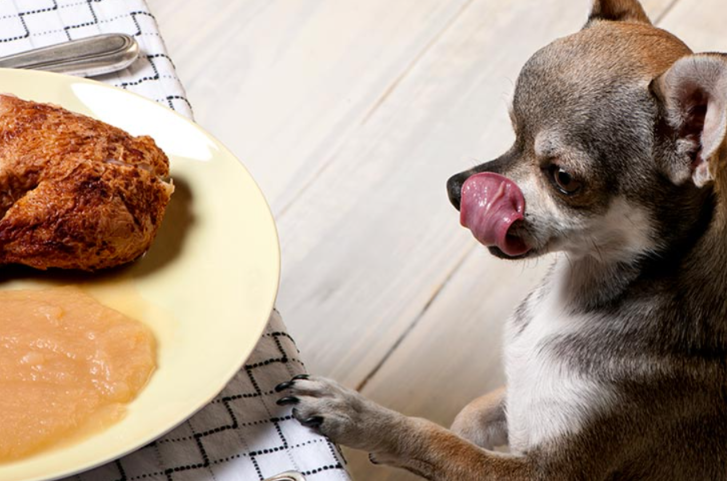
3. They Don’t Beg for Food
That delicious smell coming from your plate may be irresistible to your dog.
But restaurant dining becomes much easier when your pup understands that your meal isn’t theirs.
A dog who constantly paws at you, barks, jumps onto the table, or begs for bites can quickly turn a relaxing dinner into a stressful experience.
Practice calm behavior around food at home before heading out.
4. Your Dog Is Comfortable Around Strangers
Restaurants mean interacting with unfamiliar people.
Servers may approach your table several times. Other diners may walk close by. Someone might even ask to pet your dog.
Your dog should be comfortable seeing strangers without becoming fearful, overly excited, or reactive.
That doesn’t mean they have to greet everyone. In fact, being able to calmly ignore people can be an excellent restaurant skill.
5. They Can Handle Other Dogs Nearby
A dog-friendly restaurant may have plenty of canine customers.
If your dog barks, lunges, or becomes extremely excited whenever another dog appears, a busy patio might not be the best place to practice.
Your dog doesn’t need to love every dog they see. They simply need to remain reasonably calm and manageable when another pup passes nearby.
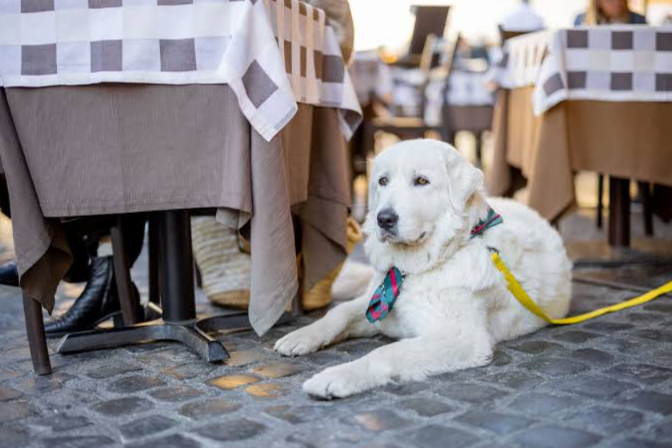
6. Your Dog Can Settle for a While
Dinner isn’t a walk.
You may be sitting at the table for an hour or longer, which means your dog needs to be comfortable doing very little.
A dog who constantly wanders, pulls on the leash, or demands attention may struggle with the experience.
Practice having your dog relax on a mat or bed at home. Once they can settle comfortably there, try practicing in increasingly distracting environments.
7. They Have an Appropriate Outlet for Their Energy
Taking a high-energy dog directly from the house to a restaurant may be asking for trouble.
Before dining out, give your dog an opportunity to exercise and mentally decompress. A walk or play session can help them arrive calmer and more prepared to relax.
Just avoid exhausting your dog to the point of discomfort, especially in warm weather.
Start Small
Even if your dog checks every box, don’t begin with a long dinner at a crowded restaurant.
Start with a short visit to a quiet, dog-friendly outdoor patio. Choose a table where your dog has enough space to settle without blocking servers or other customers.
Bring water, a leash, and something appropriate for your dog to quietly enjoy. Keep the first outing short and end on a positive note.
Most importantly, pay attention to your dog’s body language.
If they appear frightened, overwhelmed, or unable to settle, don’t force them to stay. Leaving early isn’t a failure. It simply means you’ve learned that your dog needs more preparation—or that restaurant outings aren’t their favorite activity.
And that’s perfectly okay.
The Best Dining Companion Isn’t the Most Social Dog
A restaurant-ready dog isn’t necessarily the dog who wants to greet everyone.
They’re the dog who can relax, follow basic cues, ignore distractions, and comfortably share a public space with other people and animals.
With patience and practice, many dogs can learn these skills.
But if your pup would rather stay home curled up on the couch while you enjoy your meal, that’s okay too.
The goal isn’t to make your dog your restaurant companion at all costs.
It’s to make sure that when you do go out together, both of you can enjoy the experience.
Best slot selection I have seen in a long time. The jackpots are actually reachable if you have a bit of luck. Join asiabetslot for more wins.
I’ve tried a few sites lately but this one really stands out for the smooth payouts. Definitely my new go-to spot. Check it out at bdjoya88