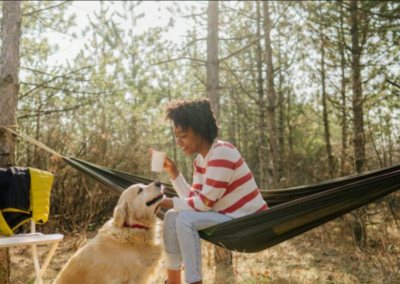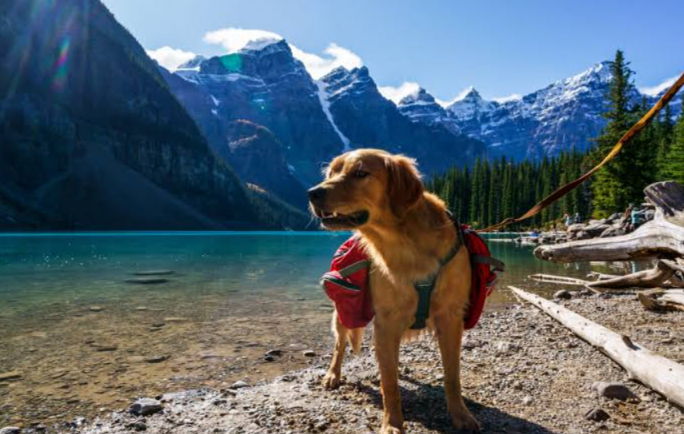
There’s something special about exploring the great outdoors with your dog.
The fresh air, new smells, wide-open spaces, and endless trails can turn an ordinary weekend into an unforgettable adventure.
But before you load your dog into the car and head for the nearest wildland, there’s one important question to answer:
Are dogs actually allowed there?
The answer can be surprisingly complicated.
Public lands across the United States are managed by different agencies, and each type of land can have its own rules regarding pets.
Some welcome dogs on trails, while others restrict them to roads, campgrounds, or designated areas.
So before you and your four-legged hiking partner hit the trail, here’s what to know.
National Parks Can Be Tricky
National parks are among America’s most spectacular outdoor destinations, but they’re not always the easiest places to explore with a dog.
In many national parks, pets are allowed in developed areas such as roads, parking areas, picnic spots, and certain campgrounds—but are restricted from many hiking trails.
There are exceptions. Some parks are considerably more welcoming to dogs than others, and individual areas within a park may have different regulations.
That’s why checking the specific park’s current pet rules before arriving is essential.
A dog-friendly national park isn’t necessarily one where your dog can accompany you everywhere.
National Forests Are Often More Dog-Friendly
If your dream is to hike through a forest with your dog by your side, national forests may offer more possibilities.
Dogs are generally permitted on many national forest trails, although leash requirements and other restrictions can vary depending on the location.
That flexibility makes national forests an attractive option for dog owners who want to spend more time outdoors together.
Still, don’t assume that every trail has identical rules. Local regulations, seasonal restrictions, wildlife concerns, and special recreation areas can all affect where your dog can go.
And if you’re camping, remember that your dog’s behavior matters, too. Keeping them contained and preventing excessive barking helps protect the experience for wildlife and other visitors.
What About Designated Wilderness Areas?
The word “wilderness” might make you picture a place where dogs can run completely free.
That’s not necessarily the case.
Dogs can accompany people into many designated wilderness areas, but they generally need to remain under control, and specific regulations may apply.
There’s a good reason for that.
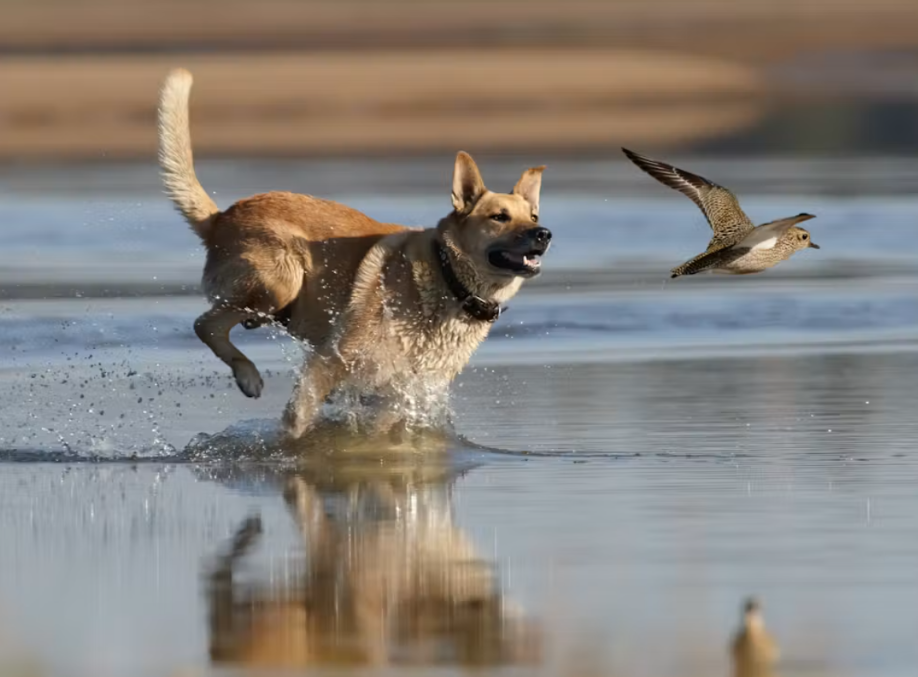
Even a friendly, well-behaved dog can disturb wildlife. A dog chasing an animal, approaching a nest, or wandering away from its owner can create problems for both the pet and the ecosystem.
Keeping your dog close isn’t just about following the rules. It’s part of being a responsible visitor.
National Trails Offer Plenty of Possibilities
America’s national trails include some of the country’s most famous long-distance routes.
Think of legendary trails such as the Appalachian Trail, Pacific Crest Trail, and Continental Divide Trail.
Dogs are allowed on many sections, but the rules can change when a trail passes through another jurisdiction or protected area.
That means you can’t necessarily assume that a dog-friendly trail remains dog-friendly from beginning to end.
And there’s another consideration: Can your dog actually handle the adventure?
A trail may technically allow dogs while still being extremely challenging for them.
Long distances, steep climbs, heat, cold, rough terrain, limited water, and difficult conditions can turn a beautiful hike into a dangerous experience for an unprepared dog.
Know your dog’s physical limits before committing to a demanding route.
National Monuments Depend on the Location
National monuments don’t follow one universal pet policy.
Some allow dogs on many trails, while others have much stricter restrictions.
That means researching the specific monument is essential before you go.
Don’t rely on something you heard from another dog owner or assume that rules at one monument apply to another.
A quick check before your trip can prevent an unpleasant surprise at the trailhead.
Wildlife Refuges May Have Stricter Rules
National wildlife refuges exist primarily to protect wildlife and their habitats.
As a result, dog access can be particularly limited.
Some refuges prohibit dogs in many areas, while others allow them in designated locations or under specific conditions. Seasonal rules can also affect access.
This is one category where checking the regulations before your visit is especially important.
After all, your dog may be perfectly friendly—but wildlife doesn’t necessarily know that.
BLM Lands Can Be Great for Outdoor Dogs
Millions of acres of public land are managed by the Bureau of Land Management, much of it in the western United States.
These lands offer a huge variety of recreational opportunities, including hiking and camping, and dogs are often welcome.
But “often” doesn’t mean “everywhere.”
Individual BLM sites can have their own rules, particularly in areas with sensitive wildlife habitat, special designations, or heavy recreational use.
If you’re planning a western road trip with your dog, BLM lands may provide some excellent options—but research your specific destination first.
National Recreation Areas Can Be a Good Bet
National recreation areas are specifically designed with outdoor recreation in mind, so dog owners may find them more accommodating.
Depending on the location, you could encounter opportunities for hiking, camping, boating, fishing, and other activities.
However, recreation areas can still have restricted zones.
Always check before heading onto a trail, beach, or waterfront.
Don’t Forget State Parks
If your dream destination turns out to have strict pet restrictions, don’t give up on your adventure.
State parks can sometimes provide excellent alternatives.
Rules vary from state to state and park to park, but many offer trails and outdoor areas where dogs are welcome, provided owners follow leash and cleanup requirements.
A little research can uncover a beautiful dog-friendly destination you hadn’t considered.
Be a Responsible Dog-Friendly Explorer
Wherever you go, remember that bringing your dog outdoors comes with responsibilities.
Keep your dog under control. Follow posted leash requirements. Respect wildlife and other visitors. And always clean up after your pet.
Packing out dog waste is particularly important in natural areas. It helps keep trails clean and reduces the impact visitors and their pets have on the environment.
Most importantly, never assume dogs are allowed simply because a place is public land.
Rules can differ dramatically—even between nearby destinations.
Before every adventure, check the regulations for the exact trail, park, forest, monument, refuge, or recreation area you’re planning to visit.
Because the best kind of outdoor adventure is one where everyone comes home happy—including your dog.
With a little preparation, you can find plenty of beautiful places where you and your best friend can explore, breathe in the fresh air, and make memories together.