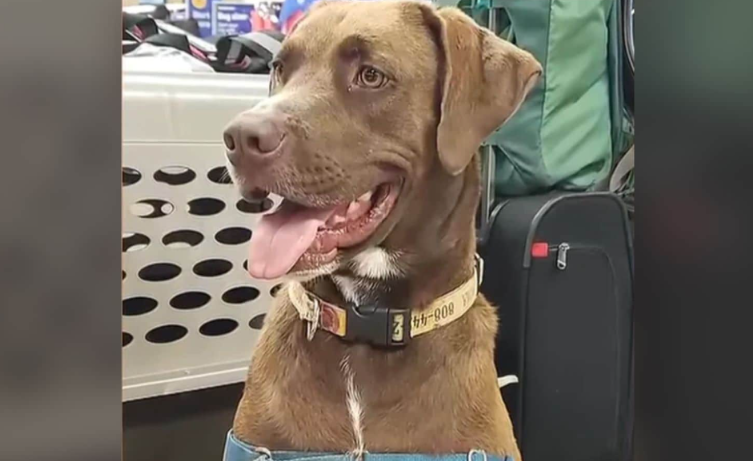
Moka should have been enjoying the simple things: running, playing, and spending time with the family who had loved him since puppyhood.
Instead, frightening seizures threatened to take that life away.
The brown dog from Maui first suffered a severe seizure when he was about two years old.
His family feared he might have encountered something toxic.
When another episode happened roughly a year later, further testing revealed a rare heart condition—and a treatment that required traveling thousands of miles.
Geoffrey and Carla Wood were determined to help Moka. But they soon discovered they couldn’t do it alone.
A Diagnosis That Changed Everything
Moka joined the Wood family after Carla found a nearby litter of puppies advertised online.
She chose Moka’s brother, Meeko, while Geoffrey fell for the brown puppy whose coffee-colored coat inspired his name.
For the first two years, life was happy and active. Then came the seizures.
An echocardiogram eventually revealed atrial myopathy with persistent atrial standstill, a rare condition affecting the heart’s upper chambers.
Moka’s heart rate had become dangerously slow, sometimes falling to just 20 to 30 beats per minute.
His heart was no longer moving blood effectively, reducing the oxygen reaching his body. The condition contributed to seizures, vision loss, and episodes of near unconsciousness.
He needed a pacemaker.
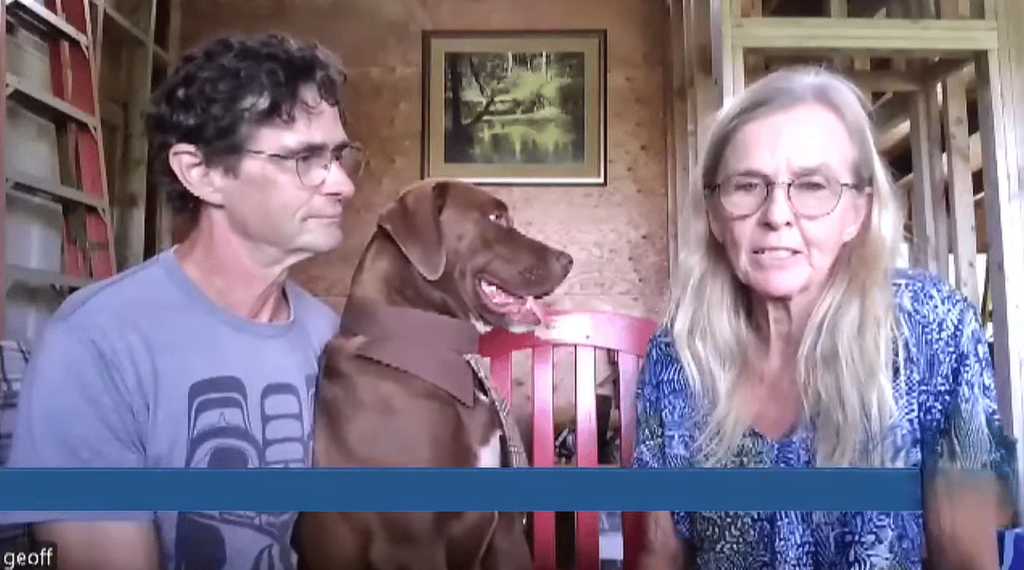
The Cost Seemed Impossible
The initial estimate for the procedure on Oahu was about $20,000. The price was overwhelming, and the Woods worried that the treatment Moka needed might be beyond their reach.
Then their community stepped forward.
Members of the Valley Isle Kennel Club contacted veterinary professionals and searched for another option.
Their efforts led the family to Washington State University Veterinary Teaching Hospital in Pullman, where the procedure could be performed for less than one-third of the Oahu estimate.
Pet insurance covered most of the expense. Friends, family, and the Woods helped pay the rest.
A Race Across The Pacific
Because Moka lived in Hawaii, traveling required special planning. State animal-travel rules meant the family needed permission, and his condition made waiting months impractical.
Carla worked with Hawaii’s agricultural department to obtain a medical exemption. Six days after Moka received his rabies vaccination, he flew to Portland, Oregon. From there, the family continued by car to Pullman.
The flight was especially stressful. Moka had to travel in the aircraft’s hold, separated from the people he trusted.
Geoffrey and Carla could only hope the journey would not put too much strain on his fragile heart.
When they reached Portland, Moka emerged from his crate wagging his tail.
At the veterinary hospital, a team of five cardiologists worked on his case. Moka successfully received the pacemaker he needed, giving his family renewed hope.
Back To The Life He Loves
The procedure was a major turning point, but Moka still needed regular monitoring by a veterinary cardiologist.
The Woods arranged follow-up appointments with Dr. Deborah Fine in Kona. They used Mokulele Airlines for the interisland trips, choosing its lower-altitude flights because they believed they were better suited to Moka’s medical needs.
Today, Moka is doing remarkably well, according to his family. After more than a year away from agility activities, he has returned to climbing and running through obstacles.
A Second Chance Made Possible By Many
Moka’s story is about more than a rare diagnosis or a successful procedure. It is about what can happen when people refuse to let a family face a crisis alone.
A kennel club made calls. Veterinary professionals helped find an option. Friends and relatives contributed. Insurance covered much of the cost.
And a team of specialists gave Moka the treatment he needed.
The family’s gratitude extends beyond the operating room. Their experience showed how practical help, persistence, and compassion can turn a frightening diagnosis into a path forward for a companion.
Today, the dog who once faced frightening seizures is back doing what he loves, with his family beside him.
For Geoffrey and Carla, every agility run is a reminder of how close they came to losing him—and how many people helped bring him back.
Sometimes, saving one dog takes an entire community.
Related posts:
 When a Dog Became a Lifeline: The Unbelievable Story of Max the Miracle Dog
 Cactus, Curiosity and Chaos — Watch What Happens When a Dog Gets a Plant Stuck on His Head
 After Surviving Alone, This Sweet Dog Found One Tiny Treasure He Won’t Let Go
 The Rescue Dogs Everyone Walks Past Might Be the Best Companions of All