As dogs and cats grow older, their needs don’t suddenly change overnight — they shift gradually, often in subtle ways that are easy to miss at first.
A little less energy here, a longer nap there, maybe a slower walk around the block. But behind those quiet changes is a clear message: the “golden years” require a different kind of care — one built on attention, prevention, and consistency.
Caring for senior pets isn’t about doing less. It’s about doing things smarter, more intentionally, and with a deeper awareness of what aging bodies and minds actually need.
One of the most important pillars of senior pet health is regular veterinary care. As pets age, health issues can develop faster and progress more quietly than in younger animals.
That’s why veterinarians often recommend moving from annual checkups to visits every six months once a pet reaches their senior stage. These routine exams allow early detection of problems like arthritis, kidney disease, or dental issues — long before they become severe.
Early intervention matters more than ever in older pets. A condition caught early can often be managed with medication, diet changes, or lifestyle adjustments, dramatically improving quality of life.
Another key factor is weight management.
As pets age, their metabolism naturally slows down and activity levels tend to decrease. That combination makes weight gain extremely common — and dangerous.
Extra pounds put additional stress on aging joints and organs, increasing the risk of arthritis, diabetes, and heart disease.

Keeping a senior pet at a healthy weight isn’t about restriction — it’s about balance. Adjusted portion sizes, senior-formulated diets, and regular weigh-ins can make a major difference in comfort and longevity.
Movement still matters — but it needs to be adapted.
Older dogs don’t typically need intense exercise. Instead, they benefit from low-impact, consistent activity like shorter walks, gentle play sessions, or even swimming when appropriate. The goal isn’t endurance — it’s mobility, circulation, and joint support without strain.
Even something as simple as breaking one long walk into two or three shorter ones can help maintain energy without overwhelming the body.
But senior health isn’t just physical.
Mental stimulation plays a huge role in keeping aging pets sharp and emotionally balanced. Without it, cognitive decline can set in more quickly.
Simple enrichment — food puzzles, scent games, or short training refreshers — can keep the brain engaged and active.
These small challenges don’t just entertain pets. They help preserve confidence and routine, especially in animals that may already be slowing down physically.
Comfort at home becomes just as important as exercise and diet.
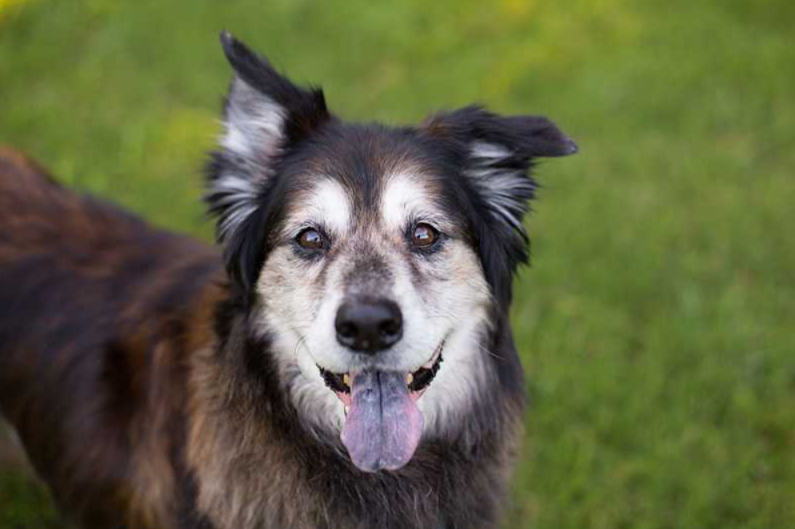
Senior pets often struggle with joints, temperature regulation, and mobility. Soft bedding, non-slip flooring, and easy access to food, water, and resting areas can significantly improve daily comfort.
Small adjustments — like ramps for couches or keeping essentials on one level — help reduce strain and prevent injury.
Even environmental stability matters. Older pets tend to feel more secure with predictable routines and familiar surroundings, which reduces stress and confusion.
Nutrition also plays a central role in aging well.
Senior diets are typically designed to be more digestible and calorie-conscious while still supporting muscle maintenance and joint health.
Many include targeted nutrients that help with mobility and inflammation, such as omega-3 fatty acids or joint-support compounds. The goal is simple: fewer unnecessary calories, more functional nourishment.
What often surprises pet owners most is that aging doesn’t just bring limitations — it also brings opportunity.
Senior pets tend to be calmer, more emotionally attuned, and deeply bonded to their humans.
With the right care, they can remain active, affectionate, and engaged well into their later years.
In the end, keeping senior pets healthy comes down to a few core principles:
- Catch problems early through regular vet care
- Maintain a healthy weight
- Adapt exercise, not eliminate it
- Stimulate the mind as well as the body
- Prioritize comfort and routine
Aging is inevitable. But decline doesn’t have to be.
With thoughtful care, a senior pet’s later years can be some of their most peaceful, connected, and meaningful — for them, and for the humans lucky enough to walk beside them.