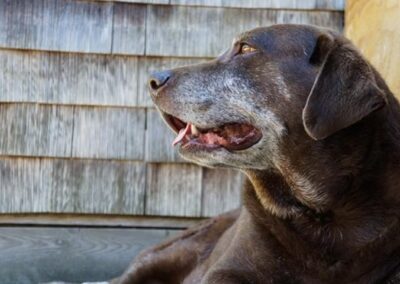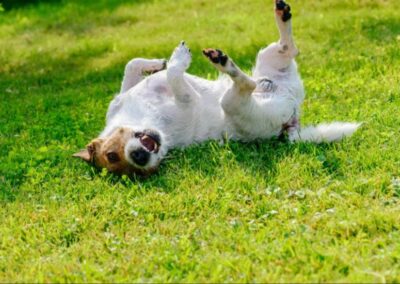
Your dog is eating fine.
Playing like usual.
Tail wagging, eyes bright.
So… everything’s okay, right?
Not always.
Here’s the truth most pet owners don’t realize until it’s too late: pets are experts at hiding pain. By the time something looks wrong, it often already is.
That’s why regular vet checkups aren’t just a routine—they’re a lifeline.
What You Can’t See Can Hurt Them
Dogs and cats don’t complain. They don’t point to what hurts. They adapt, stay quiet, and carry on—even when something inside them isn’t right.
That’s what makes regular vet visits so powerful. They catch what you can’t.
Many serious conditions—like diabetes, kidney disease, heart issues, and even cancer—develop silently. No obvious symptoms. No warning signs you’d notice at home.
A simple checkup can uncover those hidden problems early—when they’re easier, safer, and far less expensive to treat.
It’s the difference between prevention… and panic.
Why “They Seem Fine” Isn’t Enough
One of the biggest mistakes pet owners make is waiting.
Waiting for a limp.
Waiting for loss of appetite.
Waiting for something “serious.”
But by then? You’re already playing catch-up.
Routine vet visits are designed for the opposite approach:
- Catch issues early
- Prevent diseases before they start
- Monitor changes over time
Even a healthy pet should see the vet at least once a year—sometimes more depending on age and condition.
Because staying ahead is always easier than catching up.
What Really Happens During a Checkup
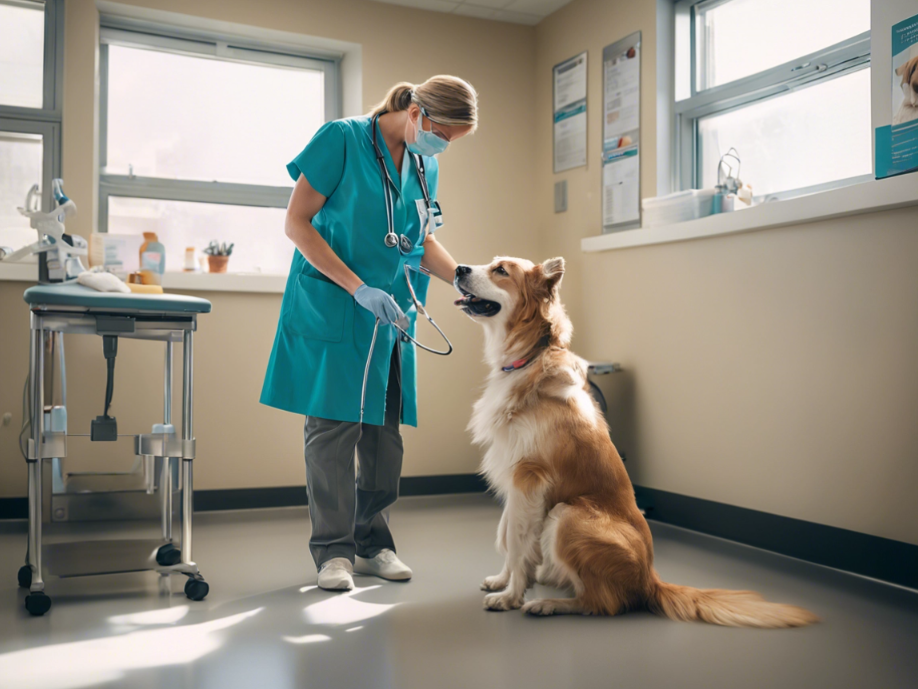
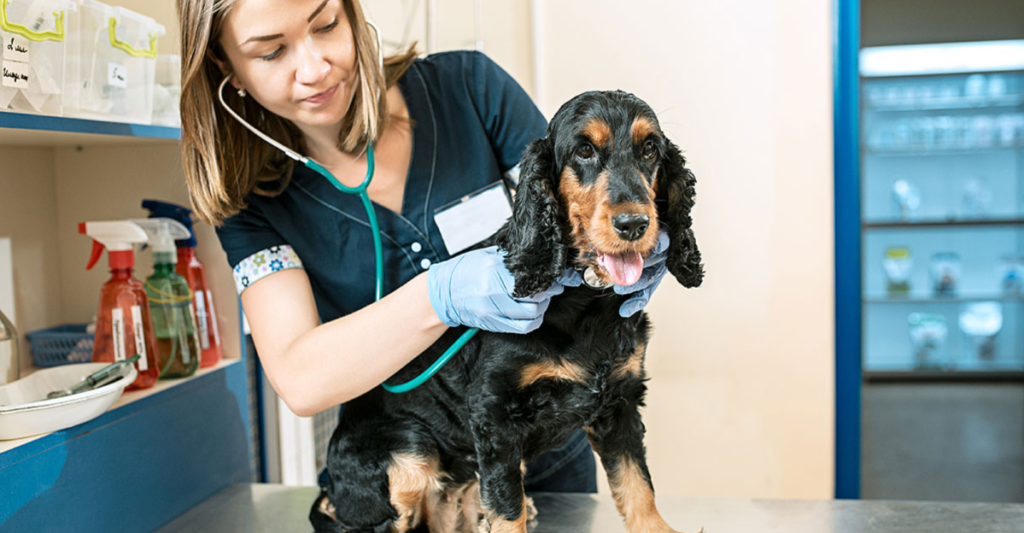
A vet visit isn’t just a quick look-over—it’s a full health audit.
From nose to tail, your pet is evaluated in ways most owners never could at home:
- Heart and lung function
- Weight and body condition
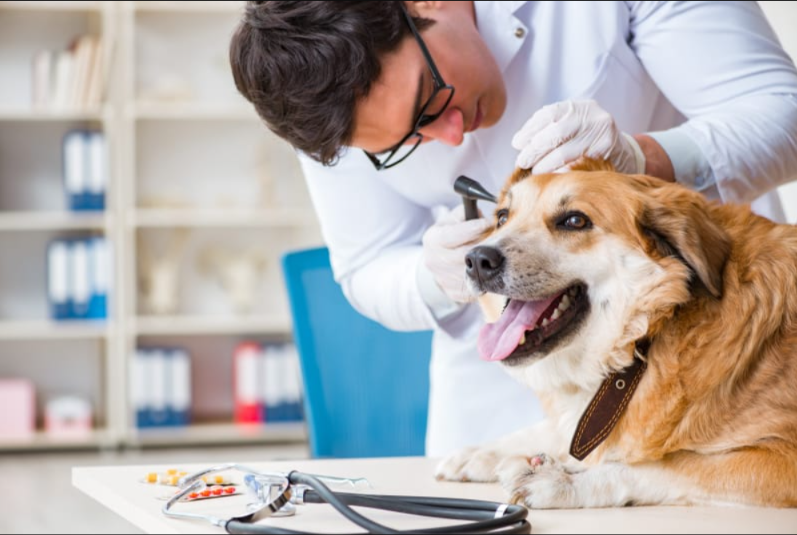
- Eyes, ears, and dental health
- Skin, coat, and mobility
- Internal organs through palpation or tests
And beyond the physical exam, there’s something just as valuable: guidance.
Your vet helps you fine-tune everything—diet, exercise, parasite prevention, and lifestyle—based on your pet’s unique needs.
Because no two pets age the same way.
Prevention Is the Real Superpower
Most people think vet visits are about treating illness.
They’re not.
They’re about preventing it.
Vaccinations protect against dangerous diseases.
Parasite control stops hidden threats before they spread.
Dental checks prevent infections that can affect the entire body.
And when you stay consistent, something powerful happens:
Your pet builds a health baseline.
That means your vet can detect even the smallest changes over time—subtle shifts that could signal something bigger.
That’s how lives are extended. Quietly. Gradually. Effectively.
The Pets Who Need It Most
While every pet benefits from routine checkups, some need them even more:
- Puppies and kittens: for growth monitoring, vaccines, and early development
- Adult pets: for maintaining health and catching early disease
- Senior pets: for managing age-related conditions before they worsen
Older pets, especially, can develop issues quickly—and often silently. More frequent visits can make all the difference in keeping them comfortable and thriving.
The Cost of Waiting
It’s easy to put off a vet visit. Life gets busy. Pets seem fine.
But skipping checkups often leads to:
- More serious health issues
- More invasive treatments
- Higher costs
- More stress—for both you and your pet
Early treatment is almost always simpler and less expensive than emergency care later.
So the question isn’t: Can you afford regular checkups?
It’s: Can you afford not to?
The Quiet Promise You Make as a Pet Owner
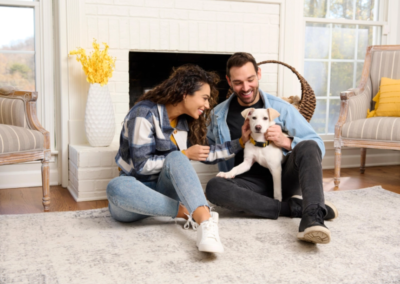
When you bring a pet into your life, you make an unspoken promise:
To protect them.
To care for them.
To notice when they can’t speak for themselves.
Regular vet visits are how you keep that promise.
Not because something is wrong—
…but because you want to make sure nothing ever gets the chance to be.
One Simple Habit, A Lifetime of Difference
At the end of the day, it’s not complicated.
One appointment.
Once or twice a year.
That’s all it takes to:
- Catch problems early
- Prevent unnecessary suffering
- Give your pet a longer, healthier life
Because the best kind of love isn’t reactive.
It’s proactive.
And sometimes, the most important thing you can do for your pet…
is show up before they need you to.